A foot fetish is an adult erotic or strongly pleasurable focus on feet. The interest can involve appearance, movement, touch, scent, grooming or related clothing, and may be one preference within attraction to a whole person.
 The UK Kink GuideEvidence-led glossary
 Back to the glossaryBody & object focusIn plain English Words in context A non-graphic adult example What not to assume
Foot fetish
Also known as podophilia
A pronounced erotic focus on feet, their appearance, movement, scent, touch or associated footwear. Population and online-community studies commonly identify feet among the most frequently reported body-part focuses.
Start here
New to this term?
Podophilia is a formal-sounding synonym. Partialism is the broader term for pronounced focus on a body part. A footwear fetish centres on shoes or boots as objects, so it may overlap with foot interest without being the same thing.
An adult may notice the shape or movement of a consenting partner's feet, while another person focuses on hosiery or footwear. Routine foot care, podiatry and shoe collecting can involve the same objects without erotic meaning.
An interest in feet does not reveal behaviour, intensity, gender, consent or clinical disorder. Population and online-community studies show that feet are a commonly reported body-part focus, but they cannot provide one cause or describe every person using the label. Touching, photographing or using another person's belongings always requires permission.
Sources and evidence type
Manual claim and limitation notes are shown where an individual source audit is complete. Other evidence-type labels are a publisher aid awaiting source-by-source confirmation.
Scorolli et al. (2007), relative prevalence of fetish discussionsResearch study
- Source design
- Peer-reviewed research or review
- What it can support
- The specific population, measures and findings reported by the paper.
- Important limitation
- It cannot automatically establish UK prevalence, causation, diagnosis, consent or an individual outcome. Check recruitment, definitions and study design.
Weinberg, Williams & Calhan (1994), foot-fetish community studyResearch study
- Source design
- Peer-reviewed research or review
- What it can support
- The specific population, measures and findings reported by the paper.
- Important limitation
- It cannot automatically establish UK prevalence, causation, diagnosis, consent or an individual outcome. Check recruitment, definitions and study design.
WHO ICD-11 clinical requirements (2024)Clinical guideline
- Source design
- Current public-health or clinical guidance
- What it can support
- Service pathways, health definitions and recommended public-health or clinical actions within its stated scope.
- Important limitation
- General guidance cannot assess an individual’s symptoms, exposure, medicine, contraindications or urgency.
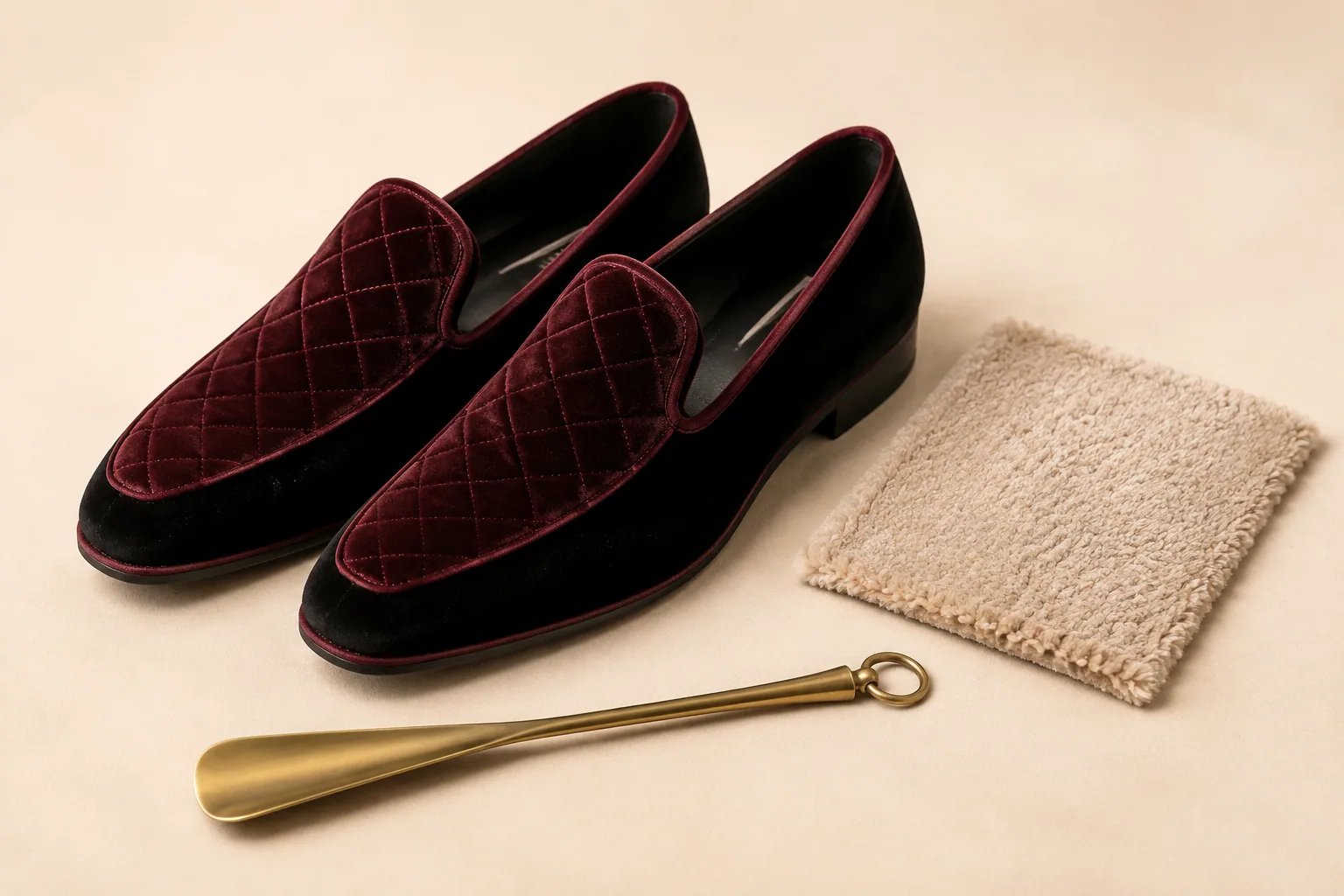
Body & object focus
Illustration created using generative AI; not documentary evidence.
In brief
A body-part focus with varied sensual and symbolic meanings.
Foot fetish, sometimes called podophilia, is an adult erotic focus on feet or on features closely associated with them. Attention may centre on shape, movement, touch, scent, grooming, hosiery or footwear, and no one feature is universal. It may be a preference within attraction to a whole person or a more central form of partialism; the label alone does not show intensity, behaviour or distress.
What studies can tell us
Scorolli and colleagues found feet and foot-associated objects prominent in large online fetish discussion groups, while Weinberg and colleagues described sensual and symbolic variation in 262 men recruited through a foot-fetish organisation. These studies show diversity and community formation, not population prevalence.
The older foot-fetish study involved a specific male gay organisation, and the online-group study measured discussion-group membership rather than individual diagnosis or behaviour. Neither justifies assuming gender, orientation, cause or relationship difficulty.
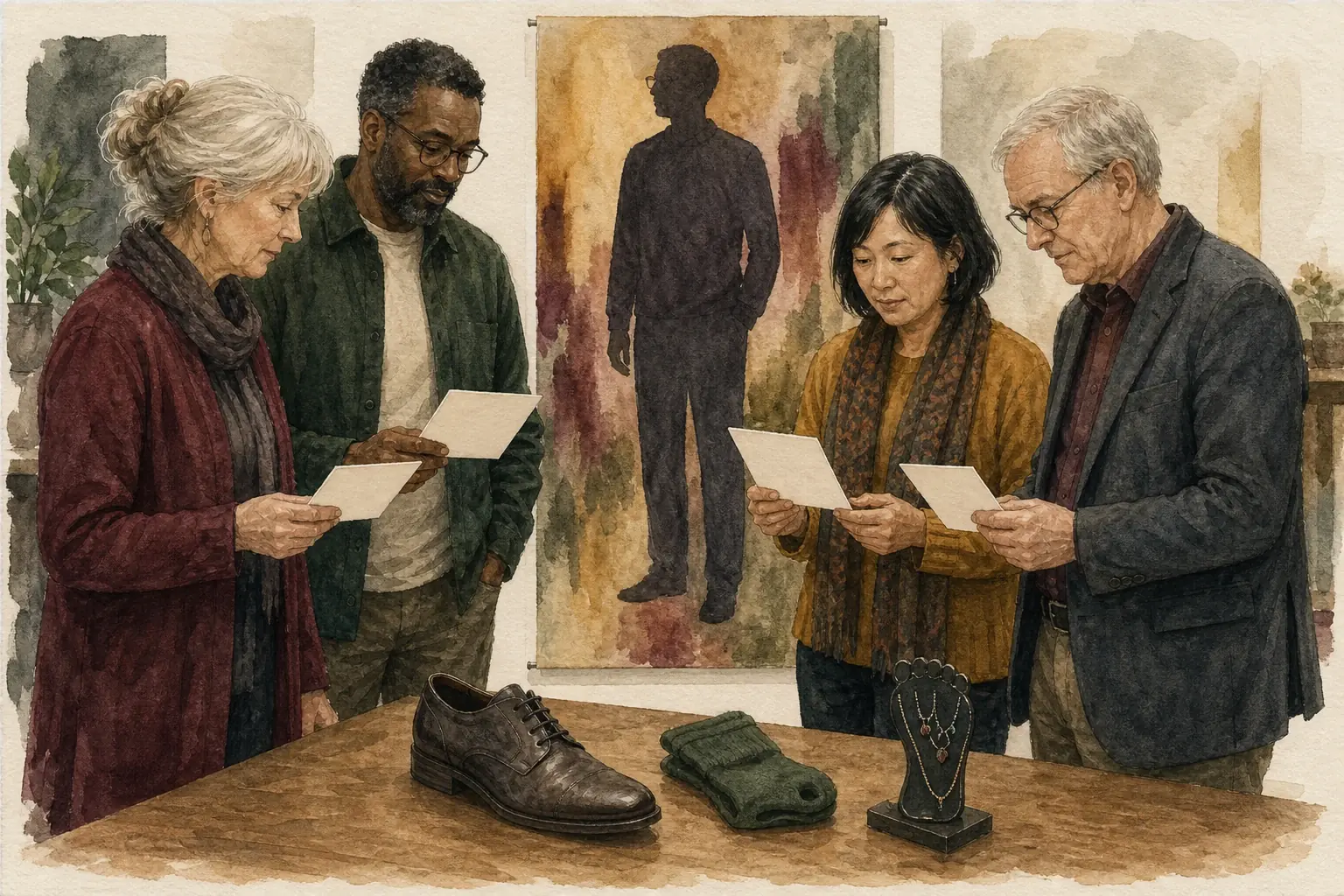
Online-group and community studies show visible foot interests and varied meanings, but their self-selected samples cannot establish UK population prevalence or an individual profile.
Illustration created using generative AI; not documentary evidence.- Status
- Detailed editorial draft
- Publisher
- The UK Kink Guide
- Reviewed
- Structured draft present; individual review date not recorded
- Evidence
- 3 cited sources · types labelled below
- Jurisdiction
- UK-focused general education
Read the rest: evidence, law, safety and sources
Erotic or strongly pleasurable focus on feet, which may include visual, tactile, scent or symbolic elements.
Focus on shoes or boots as objects, garments or symbols; it may overlap with but does not require interest in feet.
Broader term for a pronounced focus on a particular body part or feature.
Grooming, podiatry or comfort activity with no necessary erotic meaning.
Body, garments and symbols
Possible cues include an unoccupied adult shoe, clean sock, hosiery swatch, foot-shaped jewellery form, care brush or texture card. Arches, toes, nails, movement, warmth, scent, polish and footwear can each matter independently or in combination.
Leather, rubber, fabric and shoe-care products introduce their own scent and skin-contact considerations. See the Footwear and boots, Hosiery, Leather and Scent field notes for those overlaps rather than treating all of them as podophilia.
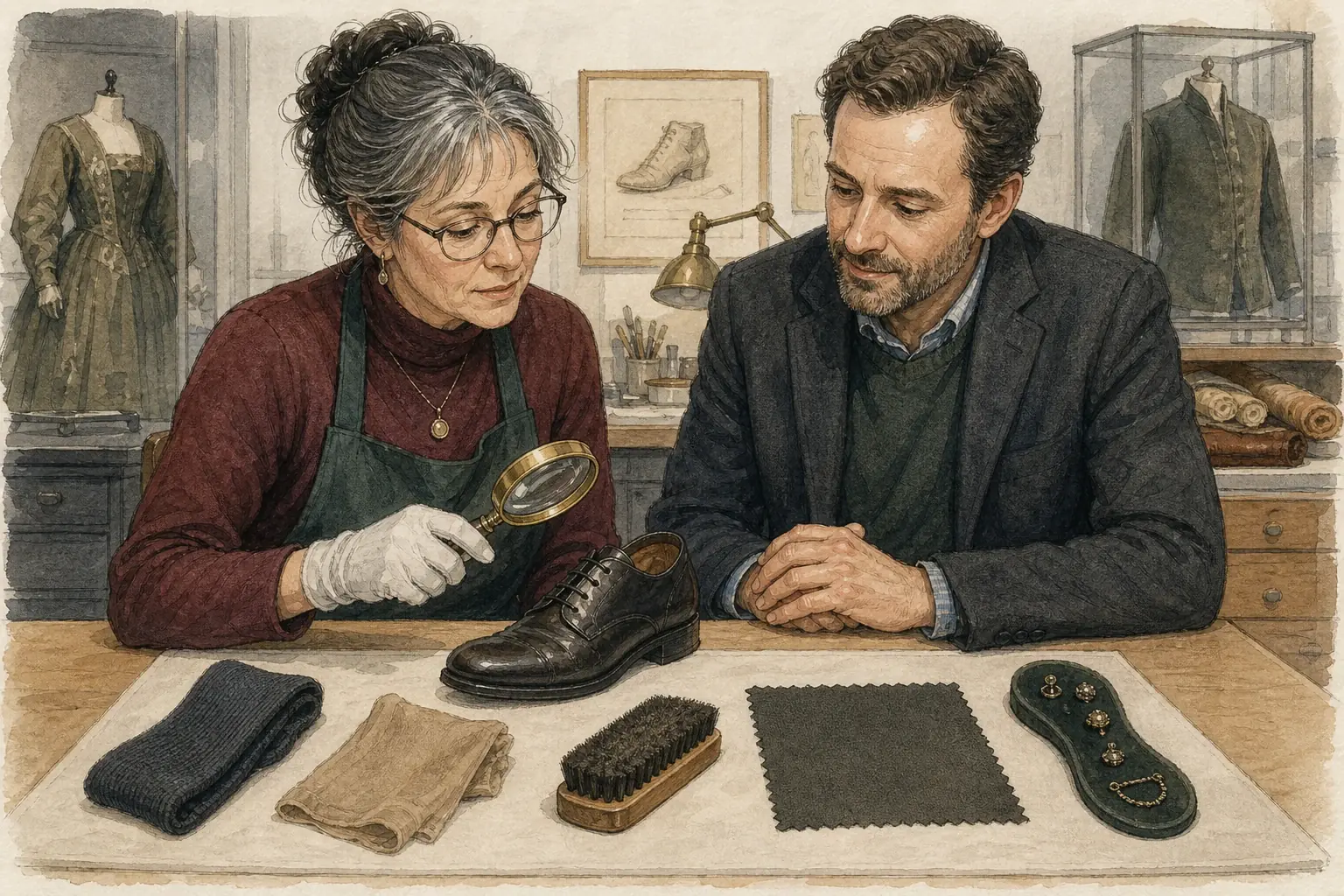
Shape, movement, grooming, hosiery and footwear may matter separately or together. Similar objects can have ordinary, aesthetic or personal meanings.
Illustration created using generative AI; not documentary evidence.Consent, hygiene and health
A preference does not create access to another person's body, footwear, images or personal items. Consent should cover touch, scent, grooming, recording and any role or service element separately; refusal never needs a clinical explanation.
Broken skin, fungal infection, neuropathy, diabetes-related foot concerns, pain or swelling may make contact unsuitable and can warrant advice from a pharmacist, podiatrist or other clinician. Cosmetic appearance is not a reliable health check.

Touch, scent, grooming, personal items and images require separate permission. Health concerns such as broken skin, infection, neuropathy or pain can also change what is appropriate.
Illustration created using generative AI; not documentary evidence.Interest versus disorder
WHO clinical guidance does not treat an unconventional consensual-adult focus as a disorder merely because it is unusual. Marked distress, significant impairment, serious risk or non-consent are the relevant dividing concerns.
Shame produced by stigma is not evidence that the interest itself is pathological, and a glossary cannot diagnose an individual. Non-consensual touching, theft, covert recording or harassment remain wrong regardless of a fetish label.
Non-graphic examples
What the umbrella may include
- Enjoying the visual line of an adult foot or the movement of a familiar partner.
- Being drawn to polished shoes without having the same interest in bare feet.
- Finding scent meaningful while another adult prefers only visual appreciation.
- Discussing foot care and health before touch rather than assuming appearance proves safety.
- Admiring consensually shared images without treating strangers' feet as public property.
Prepare for an appointment
Questions you could ask a professional
- What information would help you understand my question?
- What are the realistic options and uncertainties?
- How can disability, communication or privacy needs be accommodated?
- When should the situation be reviewed again?
These prompts do not replace assessment and do not imply that every reader needs professional care.
Continue learning
Take the next step from definition to context.
Continue with independent guidance connecting foot fetish to evidence, consent, safety, uncertainty and practical decisions.
What foot worship and foot fetish mean, how they differ, and how adults discuss comfort, hygiene and boundaries without assumptions.
Read the full guide