Attraction to muscular development, strength, flexing, movement or symbolic meanings associated with power and physique, sometimes expressed through admiration or worship.
Sources and evidence type
Manual claim and limitation notes are shown where an individual source audit is complete. Other evidence-type labels are a publisher aid awaiting source-by-source confirmation.
Mitchell et al. (2017), muscle-dysmorphia systematic reviewResearch study
Source design
Peer-reviewed research or review
What it can support
The specific population, measures and findings reported by the paper.
Important limitation
It cannot automatically establish UK prevalence, causation, diagnosis, consent or an individual outcome. Check recruitment, definitions and study design.
The specific population, measures and findings reported by the paper.
Important limitation
It cannot automatically establish UK prevalence, causation, diagnosis, consent or an individual outcome. Check recruitment, definitions and study design.
The specific population, measures and findings reported by the paper.
Important limitation
It cannot automatically establish UK prevalence, causation, diagnosis, consent or an individual outcome. Check recruitment, definitions and study design.
Illustration created using generative AI; not documentary evidence.
In brief
Muscularity can be admired without turning a body ideal into a health requirement.
Muscle interest ranges from a visual preference to ritual admiration, strength fantasy or transformation themes. It does not prove that the admired person is dominant, healthy, male, athletic or willing to perform. Muscularity exists across genders, body sizes and disabilities. Because cultural ideals can intensify body dissatisfaction, educational coverage should celebrate consent and diversity without encouraging unsafe training, restrictive eating or drug use.
Attraction and consent
Ask before touching, photographing, requesting flexing or commenting on a stranger's body. Fitness clothing and social-media images are not invitations.
Do not infer authority, sexuality, gender or emotional toughness from physique. A muscular partner can take any role.
EDITORIAL ILLUSTRATIONPhysique is not an invitation
Touching, photographing, requesting a pose or commenting on a body needs invitation and context. Muscular appearance does not assign gender, sexuality or authority.
Illustration created using generative AI; not documentary evidence.
Status
Detailed editorial draft
Publisher
The UK Kink Guide
Reviewed
Structured draft present; individual review date not recorded
Evidence
3 cited sources · types labelled below
Jurisdiction
UK-focused general education
Read the rest: evidence, law, safety and sources
Muscle interest
Attraction to muscular appearance, movement or symbolism.
Muscle worship
Consensual ritual praise or attention, potentially with service or power meaning.
Strength kink
Interest in demonstrations or symbolism of physical strength, not necessarily visible muscularity.
Muscle dysmorphia
A clinical body-image condition involving distressing perceived insufficient muscularity, not a synonym for admiration or bodybuilding.
Body image and stigma
Avoid ranking bodies or making affection conditional on size, leanness or performance. Muscularity stigma and ideal internalisation can affect people with high, low or changing muscle mass.
Use neutral language if praise causes pressure. Persistent preoccupation, checking, impairment or harmful exercise warrants qualified support.
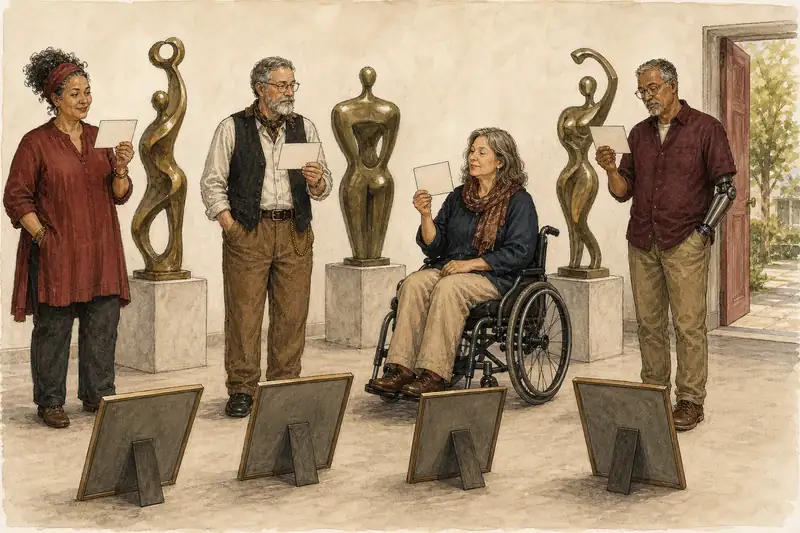
EDITORIAL ILLUSTRATIONStrength has no single body
Muscularity exists across genders, sizes and disabilities. Admiration should not become comparison, surveillance or pressure to maintain leanness, size or performance.
Illustration created using generative AI; not documentary evidence.
Training and substances
This card does not prescribe exercise, diet, supplements or performance-enhancing drugs. Visible results do not establish health or safe methods.
Pain, collapse, chest symptoms or acute injury need appropriate medical attention. Do not eroticise pushing through warning signs.
Evidence and clinical distinction
Muscle-dysmorphia evidence concerns a body-image disorder, not people attracted to muscles. It should inform safeguards without pathologising the interest.
Focused attraction is not a disorder solely because it is intense or unusual. Assessment requires the person's distress, functioning, consent and risk context.
EDITORIAL ILLUSTRATIONClinical evidence answers a different question
Muscle-dysmorphia research concerns distress and impairment, not attraction to muscularity. It cannot validate a training, diet, supplement or drug practice.
Illustration created using generative AI; not documentary evidence.
Non-graphic examples
What the umbrella may include
Admiring a flex only after invitation.
Enjoying muscular characters in fiction.
Worshipping a partner's strength without assigning gender.
Avoiding comparison with edited fitness images.
Supporting clinical help for compulsive exercise without blaming the kink.
Prepare for an appointment
Questions you could ask a professional
What information would help you understand my question?
What are the realistic options and uncertainties?
How can disability, communication or privacy needs be accommodated?
When should the situation be reviewed again?
These prompts do not replace assessment and do not imply that every reader needs professional care.
Continue learning
Take the next step from definition to context.
Continue with independent guidance connecting muscle interest to evidence, consent, safety, uncertainty and practical decisions.