Objectophilia describes strong romantic, emotional or sexual attraction directed toward a particular inanimate object, structure or conceptual object. Some people describe the bond in relationship-like terms; experiences differ widely.
 The UK Kink GuideEvidence-led glossary
 Back to the glossaryBody & object focusIn plain English Words in context A non-graphic adult example What not to assume
Objectophilia
Also known as object sexuality
A pattern of strong romantic, emotional or sexual attraction directed towards particular inanimate objects. It is distinct from simply enjoying an object as a prop, material or collectible.
Start here
New to this term?
Object sexuality is another name. An object fetish usually means erotic focus on a category of object, garment or material without requiring a relationship-like bond. Collecting and consensual objectification role-play are separate concepts.
An adult may describe a lasting bond with one particular structure or machine, while a collector values similar objects for history or design. Another adult may use an ordinary object as a prop without feeling attraction toward it.
Objectophilia is not itself proof of delusion, incapacity or paraphilic disorder. Ownership, conservation rules, public access and other people's property rights still apply. Current research consists largely of small qualitative and conceptual studies, so it cannot establish prevalence, one cause or a standard clinical profile.
Sources and evidence type
Manual claim and limitation notes are shown where an individual source audit is complete. Other evidence-type labels are a publisher aid awaiting source-by-source confirmation.
Gatzia & Arnaud (2022), objectophilia hypothesesResearch study
- Source design
- Peer-reviewed research or review
- What it can support
- The specific population, measures and findings reported by the paper.
- Important limitation
- It cannot automatically establish UK prevalence, causation, diagnosis, consent or an individual outcome. Check recruitment, definitions and study design.
Scorolli et al. (2007), relative prevalence of fetish discussionsResearch study
- Source design
- Peer-reviewed research or review
- What it can support
- The specific population, measures and findings reported by the paper.
- Important limitation
- It cannot automatically establish UK prevalence, causation, diagnosis, consent or an individual outcome. Check recruitment, definitions and study design.
WHO ICD-11 clinical requirements (2024)Clinical guideline
- Source design
- Current public-health or clinical guidance
- What it can support
- Service pathways, health definitions and recommended public-health or clinical actions within its stated scope.
- Important limitation
- General guidance cannot assess an individual’s symptoms, exposure, medicine, contraindications or urgency.
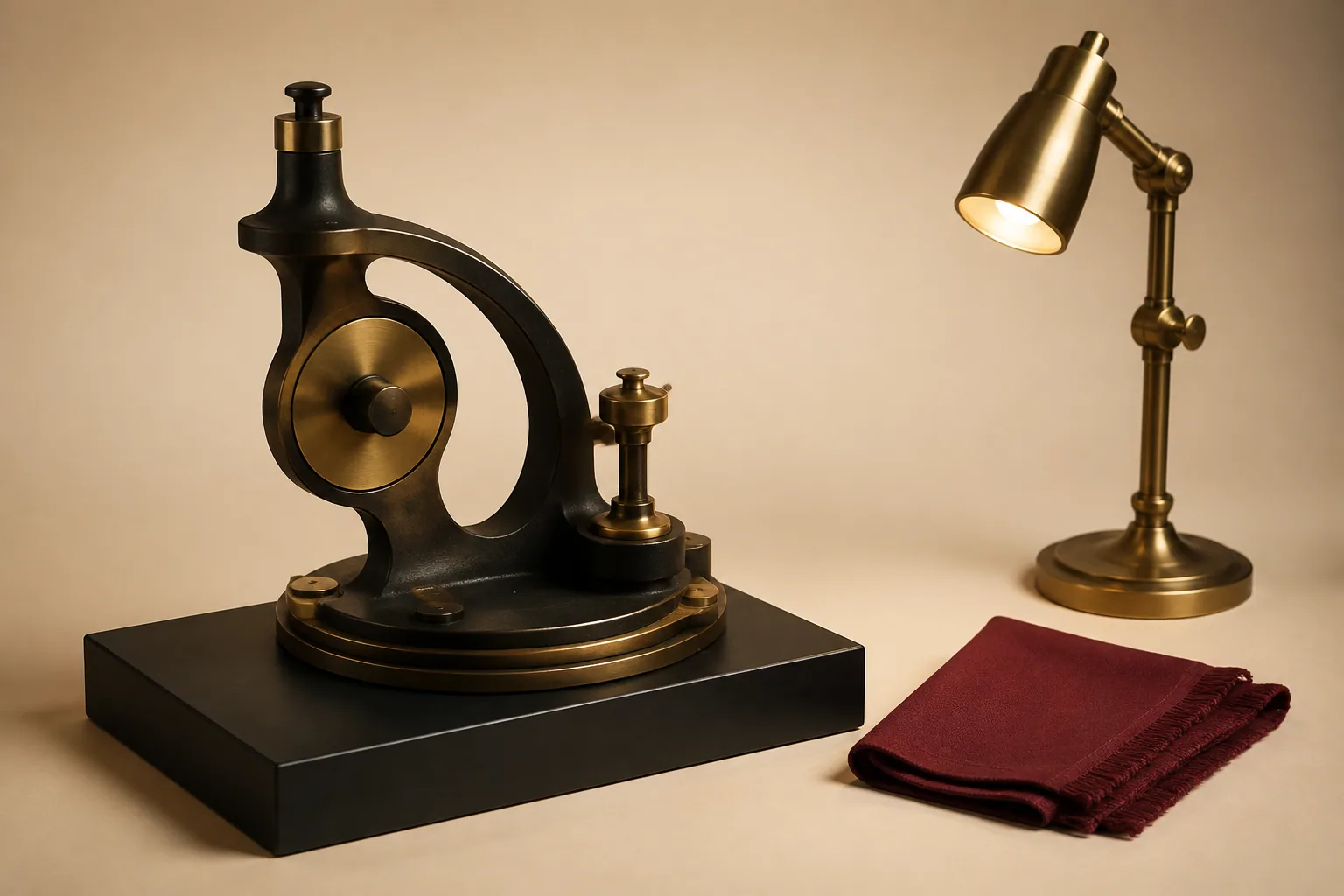
Body & object focus
Illustration created using generative AI; not documentary evidence.
In brief
A specific bond, not a synonym for every object fetish.
Objectophilia, also called object sexuality, describes strong romantic, emotional or sexual attraction directed toward particular inanimate objects. Some people describe a relationship-like bond with one specific structure, machine, instrument or conceptual object; this differs from simply using a prop, collecting a category or liking a material. Accounts are diverse, and current research is too small to establish a single cause or clinical profile.
What the literature can—and cannot—say
Published objectophilia literature is very small and includes conceptual analysis more often than representative empirical research. Gatzia and Arnaud examine several possible explanatory hypotheses, but their paper cannot prove that autism, synaesthesia, imagery or fetishism causes objectophilia.
Media accounts and self-selected communities can make lived experience visible while still being unsuitable for prevalence estimates. A claimed relationship with an object should not be used to infer diagnosis, capacity, loneliness or inability to relate to people.

Objectophilia evidence is dominated by small studies and individual accounts. It cannot establish prevalence, cause or one typical kind of object attachment.
Illustration created using generative AI; not documentary evidence.- Status
- Detailed editorial draft
- Publisher
- The UK Kink Guide
- Reviewed
- Structured draft present; individual review date not recorded
- Evidence
- 3 cited sources · types labelled below
- Jurisdiction
- UK-focused general education
Read the rest: evidence, law, safety and sources
Enduring romantic, emotional or sexual attraction toward a particular object, structure or other inanimate entity.
Erotic focus on an object category, garment or material; relationship-like attachment is not required.
A consenting adult temporarily performs an object-like role while retaining full autonomy.
Acquiring and caring for objects for interest, history or aesthetics with no necessary romantic or erotic bond.
Objects, features and attachment
Objects described in public accounts range from buildings, bridges and vehicles to instruments, machines, words or abstract systems. Form, sound, history, perceived personality, reliability and personal memory may matter as much as material or touch.
A museum-style still life or abstract component can illustrate focused attention without presenting a real person's valued object as a curiosity. See Vehicle and machinery fetish, Statue and mannequin interest and Technosexual interest for narrower overlaps.
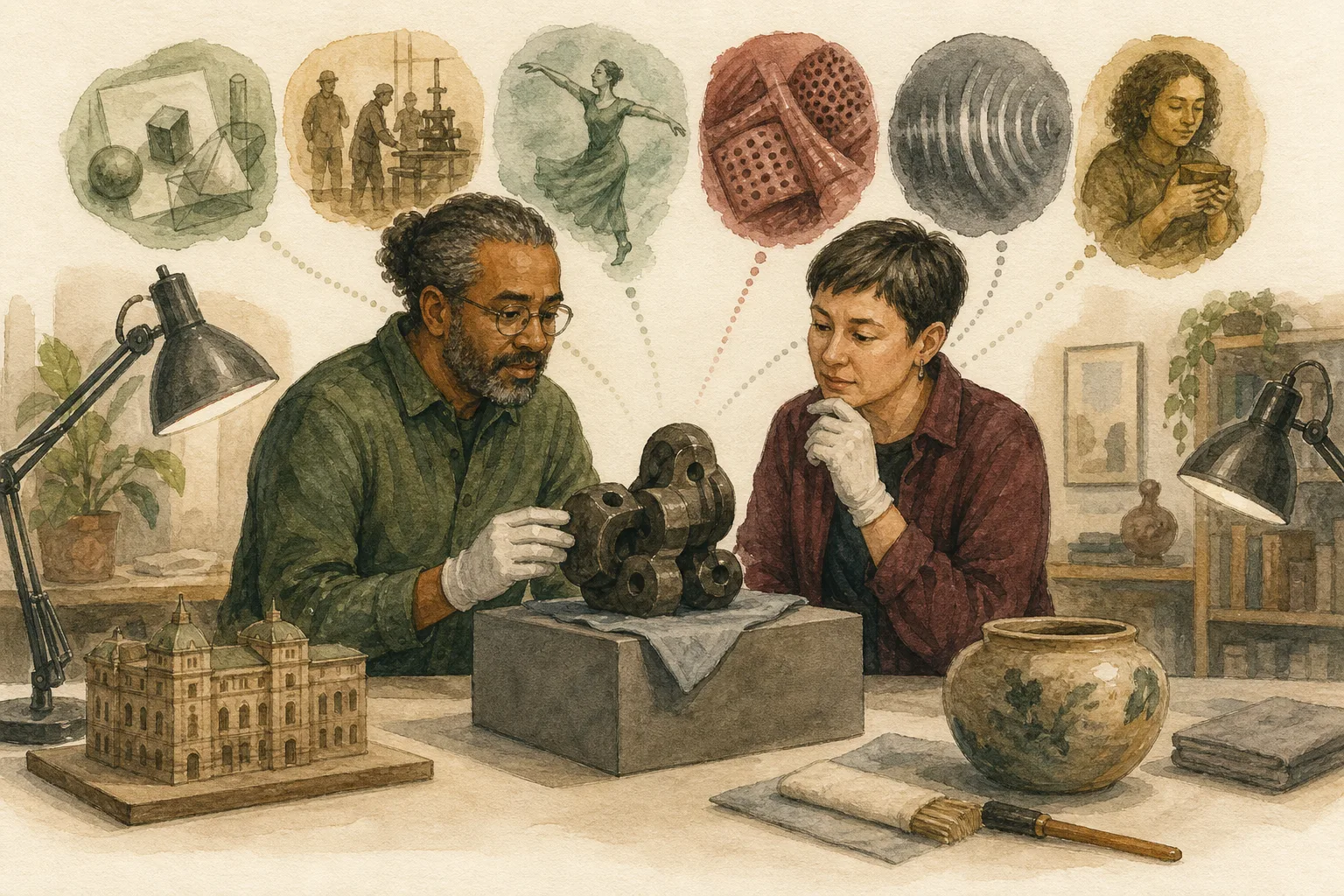
Design, history, movement, texture, sound and personal association may matter differently. An object need not be personified, and no feature has a fixed interpretation.
Illustration created using generative AI; not documentary evidence.Property, public space and safety
An emotional bond does not create ownership or unrestricted access. Buildings, vehicles, monuments and machines belong to people or institutions, and touching, climbing, entering, modifying or photographing them can involve property rules, privacy and serious physical hazards.
Machinery, traffic, electricity, heat, heights and restricted sites remain dangerous regardless of meaning. Fantasy, writing, photography from permitted places or a personally owned harmless object can express interest without unsafe interaction.
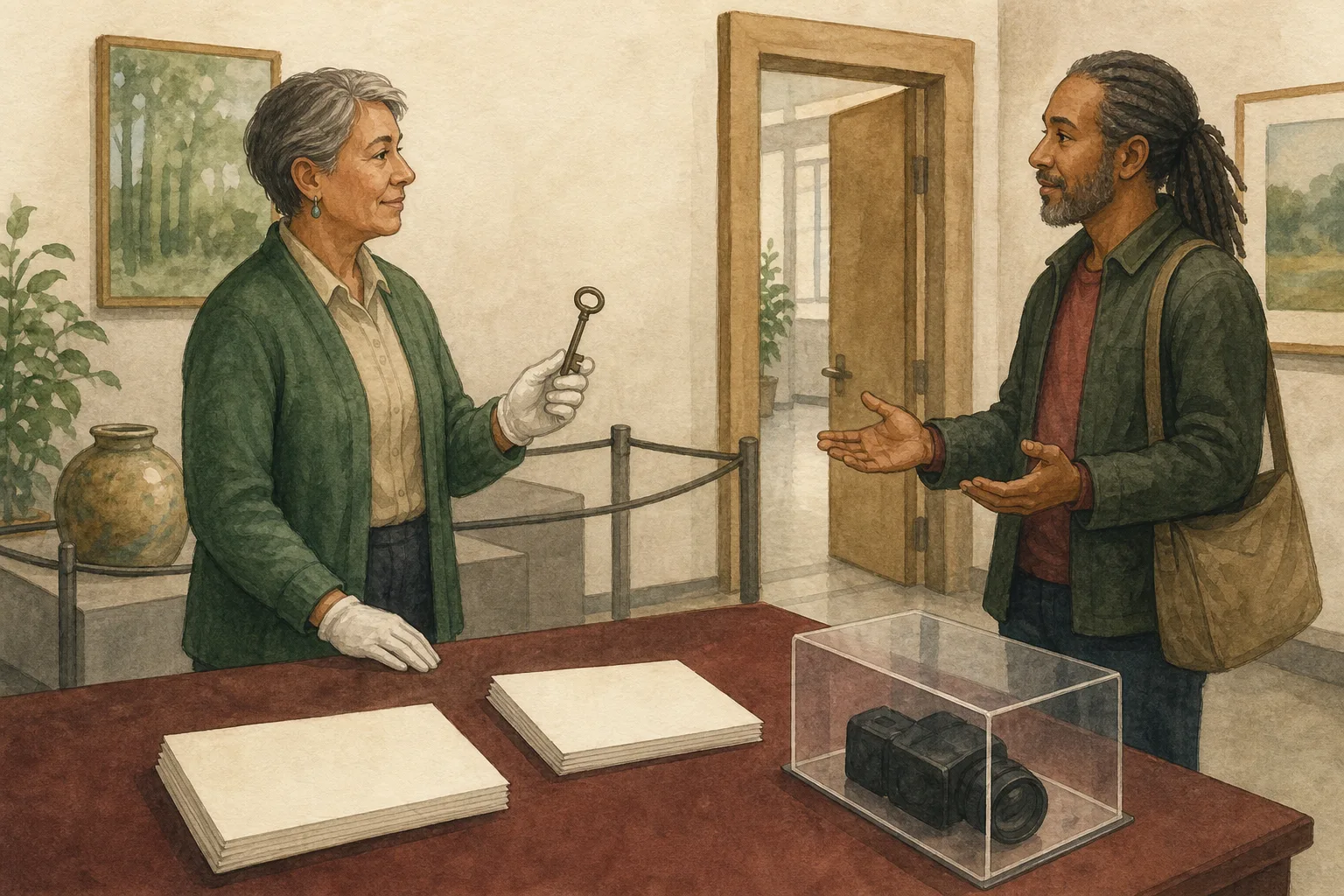
Access, touch, alteration, photographs and private space remain controlled by owners and custodians. Public infrastructure and working machinery also carry ordinary safety duties.
Illustration created using generative AI; not documentary evidence.Respect and clinical distinction
Objectophilia is not automatically a paraphilic disorder. WHO guidance centres marked distress, significant impairment, serious risk or non-consent, and a clinician would need to understand the person's experience rather than diagnose from an unusual attachment alone.
Distress caused mainly by ridicule or exclusion should not be confused automatically with distress inherent to the attraction. Equally, an objectophilia label does not excuse trespass, damage, danger or disregard for other people's rights.
Non-graphic examples
What the umbrella may include
- Feeling a relationship-like attachment to a particular personally owned instrument.
- Being drawn to the history and perceived character of one bridge while respecting access rules.
- Liking machines as a category without describing any specific object as a partner.
- Using an abstract component in an illustration rather than exposing a private valued object.
- Keeping admiration at a safe distance from traffic, machinery or restricted infrastructure.
Prepare for an appointment
Questions you could ask a professional
- What information would help you understand my question?
- What are the realistic options and uncertainties?
- How can disability, communication or privacy needs be accommodated?
- When should the situation be reviewed again?
These prompts do not replace assessment and do not imply that every reader needs professional care.
Continue learning
Take the next step from definition to context.
Continue with independent guidance connecting objectophilia to evidence, consent, safety, uncertainty and practical decisions.
Explore body-part and object-focused interests through meaning, consent, privacy, partner discussion and UK support.
Read the guide