An adult fantasy involving sleep, apparent sleep or staged unresponsiveness, ethically explored through fiction or role-play while real participants retain capacity and communication.
Sources and evidence type
Manual claim and limitation notes are shown where an individual source audit is complete. Other evidence-type labels are a publisher aid awaiting source-by-source confirmation.
Sexual Offences Act 2003, section 74Law or regulator
Source design
Primary legislation, prosecutorial or regulator guidance
What it can support
The legal provision or official regulatory position for the jurisdiction and date stated.
Important limitation
It is not fact-specific legal advice. Commencement, amendments, jurisdiction and case law may affect application.
The specific population, measures and findings reported by the paper.
Important limitation
It cannot automatically establish UK prevalence, causation, diagnosis, consent or an individual outcome. Check recruitment, definitions and study design.
Illustration created using generative AI; not documentary evidence.
In brief
Staged sleep preserves communication; actual sleep removes it.
A sleeping or unconscious person cannot provide in-the-moment consent or monitor changes. Advance discussion can describe wishes but is not a blank cheque and does not remove legal presumptions or the need to stop when consent is uncertain. The lowest-ambiguity form is staged sleep role-play in which the apparently sleeping adult remains awake, informed and able to signal.
Consent and law
Section 74 of the Sexual Offences Act 2003 defines consent through choice, freedom and capacity; section 75 addresses circumstances including sleep or unconsciousness. Other UK jurisdictions have their own law.
A written message, relationship status or previous scene does not create perpetual permission. If the person is actually asleep or unresponsive, do not begin or continue sexual activity.
EDITORIAL ILLUSTRATIONAdvance wishes are not a blank cheque
Actual sleep or unconsciousness removes in-the-moment choice and monitoring. A relationship, message or previous scene does not create perpetual permission to begin or continue activity.
Illustration created using generative AI; not documentary evidence.
Status
Detailed editorial draft
Publisher
The UK Kink Guide
Reviewed
Structured draft present; individual review date not recorded
Evidence
3 cited sources · types labelled below
Jurisdiction
UK-focused general education
Read the rest: evidence, law, safety and sources
Sleep fantasy
Imagined content that need never be enacted.
Staged sleep role-play
An awake adult performs sleep while retaining a hidden stop signal and capacity.
Actual sleep
A state in which the person cannot provide contemporaneous consent or reliably monitor events.
Incapacitation
Unconsciousness or impairment that prevents valid consent; it is not an acceptable role-play shortcut.
Role-play safeguards
For staged play, agree content, limits, timing, recording and a concealed but reliable stop signal. The performer should remain awake and able to end the scene.
Do not use alcohol, sedatives, sleep deprivation or other substances to manufacture unresponsiveness. These impair capacity and add medical risk.
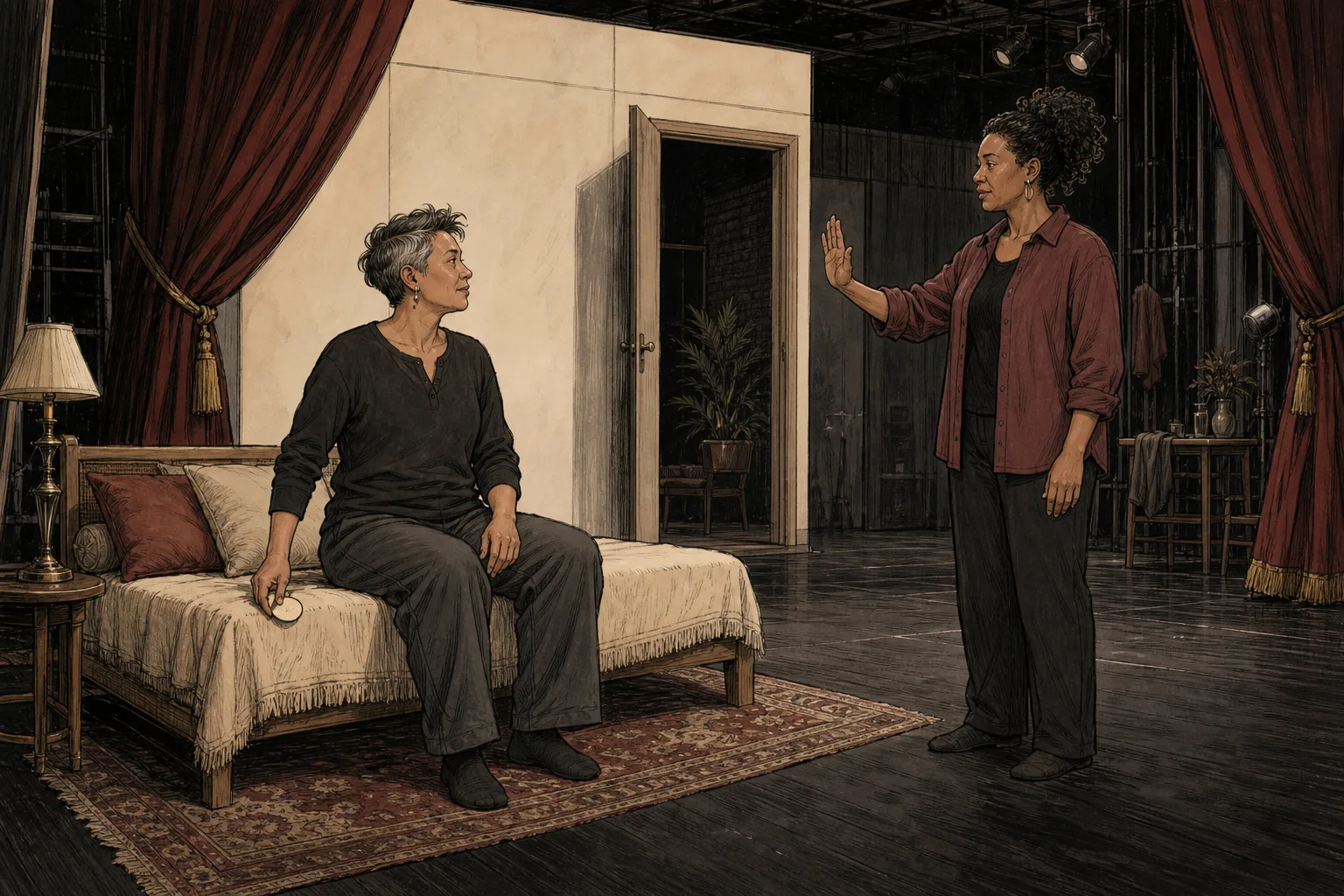
EDITORIAL ILLUSTRATIONStaging preserves communication
An awake performer can portray sleep while retaining capacity and a concealed stop signal. Alcohol, sedatives or sleep deprivation must not be used to manufacture unresponsiveness.
Illustration created using generative AI; not documentary evidence.
Fantasy and clinical distinction
Fantasy does not establish intent to harm, and broad surveys distinguish imagined content from behaviour. Avoid diagnosing from a label alone.
Clinical help may be appropriate for unwanted distress or urges involving non-consenting people, but care should not pathologise consensual adult fantasy merely because it is unusual.
Violations and support
If someone wakes to unwanted contact or learns that agreed limits were exceeded, prioritise safety, medical or sexual-health care and specialist support. Do not pressure them to treat it as misunderstanding.
Preserve messages or other evidence if they wish, but choices about reporting belong to the affected person except where safeguarding duties apply.
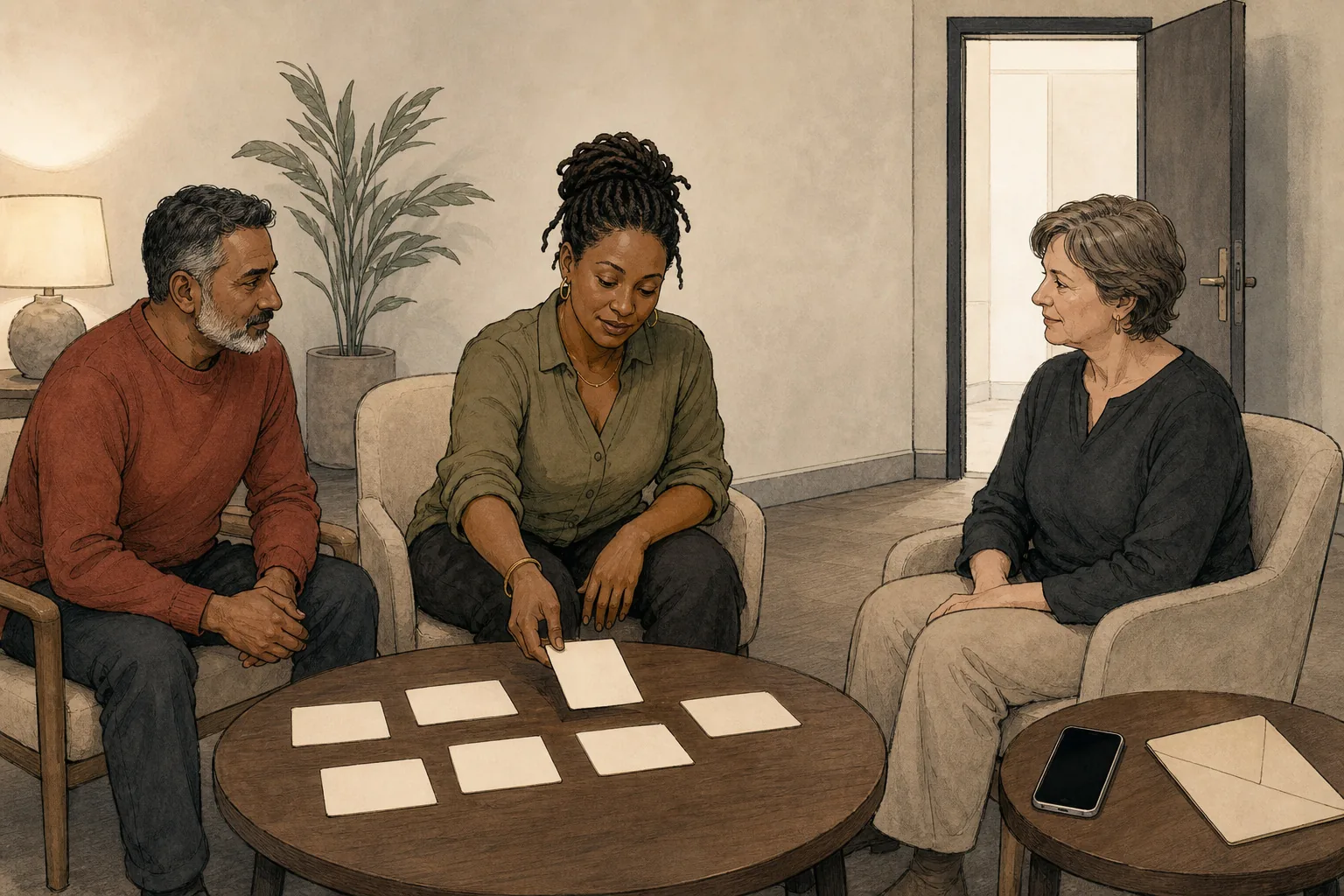
EDITORIAL ILLUSTRATIONSupport follows the affected person's choices
Waking to unwanted contact or learning that limits were exceeded is a consent concern, not a scene disappointment. Prioritise safety, healthcare, specialist support and the affected person's reporting choices.
Illustration created using generative AI; not documentary evidence.
Non-graphic examples
What the umbrella may include
Keeping the theme in adult fiction.
Role-playing sleep while remaining fully awake.
Using a concealed hand signal to stop.
Excluding all recording in advance.
Not initiating activity with an actually sleeping partner.
Prepare for an appointment
Questions you could ask a professional
What information would help you understand my question?
What are the realistic options and uncertainties?
How can disability, communication or privacy needs be accommodated?
When should the situation be reviewed again?
These prompts do not replace assessment and do not imply that every reader needs professional care.
Continue learning
Take the next step from definition to context.
Continue with independent guidance connecting consensual sleep fantasy to evidence, consent, safety, uncertainty and practical decisions.