Adult fantasy involving fictional ghosts, monsters, non-human beings or supernatural encounters, usually explored through imagination, fiction, art, costume or consensual role-play.
Sources and evidence type
Manual claim and limitation notes are shown where an individual source audit is complete. Other evidence-type labels are a publisher aid awaiting source-by-source confirmation.
Joyal et al. (2015), sexual fantasy surveyResearch study
Source design
Peer-reviewed research or review
What it can support
The specific population, measures and findings reported by the paper.
Important limitation
It cannot automatically establish UK prevalence, causation, diagnosis, consent or an individual outcome. Check recruitment, definitions and study design.
The specific population, measures and findings reported by the paper.
Important limitation
It cannot automatically establish UK prevalence, causation, diagnosis, consent or an individual outcome. Check recruitment, definitions and study design.
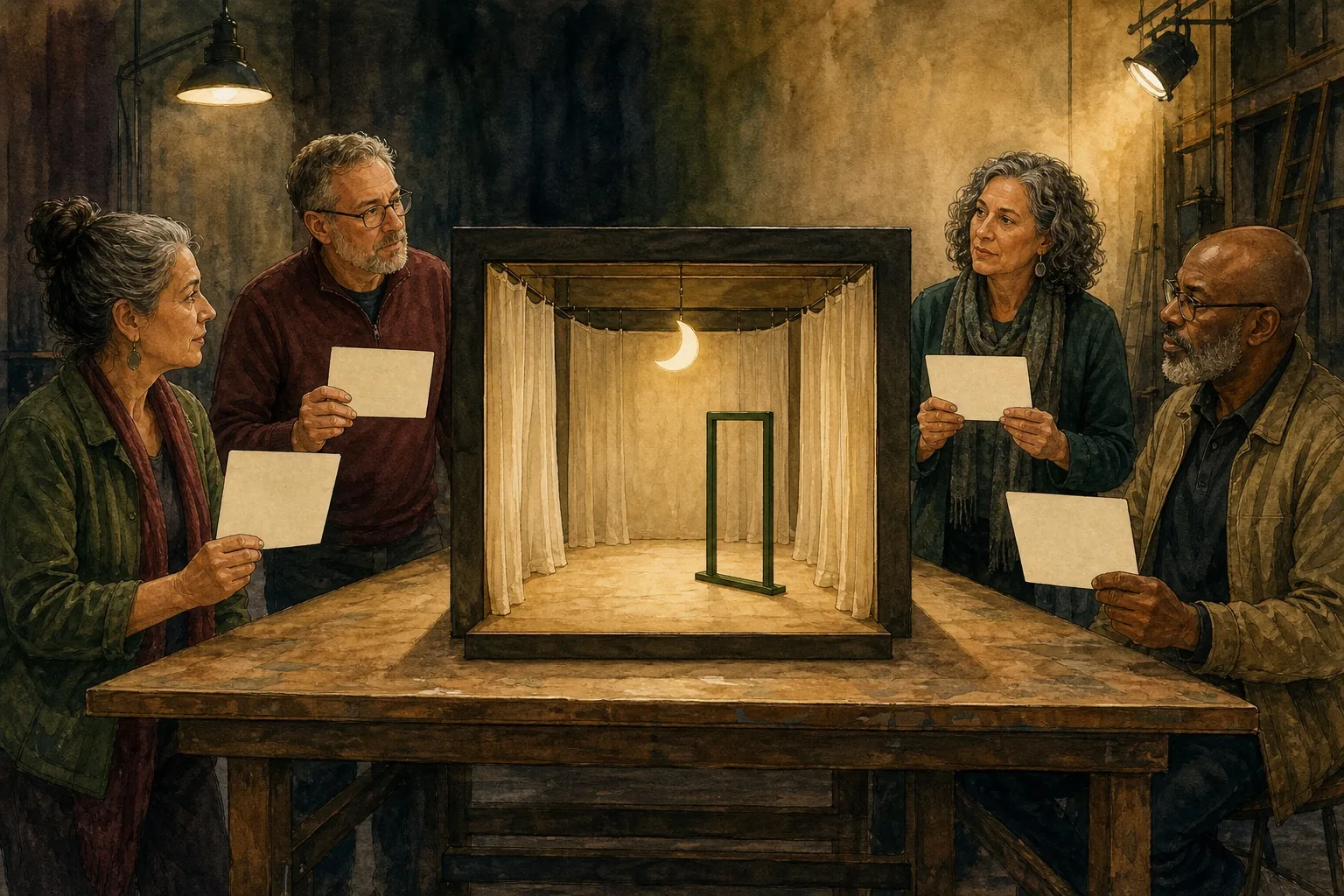
Illustration created using generative AI; not documentary evidence.
In brief
Fictional supernatural content should be distinguished from belief, behaviour and clinical disorder.
Supernatural fantasy is a broad cultural and erotic theme, not evidence that someone believes fictional beings are real or wants literal danger. The older label spectrophilia is used inconsistently—sometimes narrowly for ghosts and sometimes for supernatural attraction generally. Monster fantasy can centre otherness, transformation, scale, fear, protection or impossible anatomy. Ethical assessment concerns real participants, representations and conduct, not whether the imagined character could consent in reality.
Fantasy and symbolism
The appeal may involve fear within safety, taboo, transformation, unusual bodies, pursuit, protection or surrender. Content alone does not reveal motivation, trauma or desired real-world behaviour.
Fantasy, preference and enactment are separate. Many impossible scenarios remain entirely in stories, games or art.
EDITORIAL ILLUSTRATIONFantasy symbols have varied meanings
Ghostly or supernatural themes may express mystery, atmosphere, fear, transformation, distance or imaginative role. A motif does not reveal belief, behaviour or a clinical condition.
Illustration created using generative AI; not documentary evidence.
Status
Detailed editorial draft
Publisher
The UK Kink Guide
Reviewed
Structured draft present; individual review date not recorded
Evidence
3 cited sources · types labelled below
Jurisdiction
UK-focused general education
Read the rest: evidence, law, safety and sources
Spectrophilia
An inconsistently used label, often referring specifically to ghost or spirit fantasy.
Monster fantasy
A wider fictional category involving imagined creatures, transformation or non-human traits.
Paranormal belief
Belief about real supernatural phenomena; it is separate from erotic fantasy content.
Consensual creature role-play
Adults using costume, narrative or performance while retaining their real identities, consent and legal responsibilities.
Clinical distinction
An unconventional fantasy is not itself a mental disorder. ICD-11 requires additional features such as marked distress not explained only by rejection, significant injury risk or non-consenting targets.
Clinical attention may be useful if fantasy becomes unwanted, severely distressing, compulsive or confused with reality, but care should assess the actual problem without pathologising imaginative content.
Adult role-play and consent
For partner role-play, negotiate costumes, language, fear cues, physical contact, stop signals and recording. Fictional hypnosis, possession or transformation never removes real capacity or consent.
Avoid surprise performances in public or around non-participants. Masks, limited vision, prosthetics and elaborate costumes can affect heat, breathing, movement and communication.
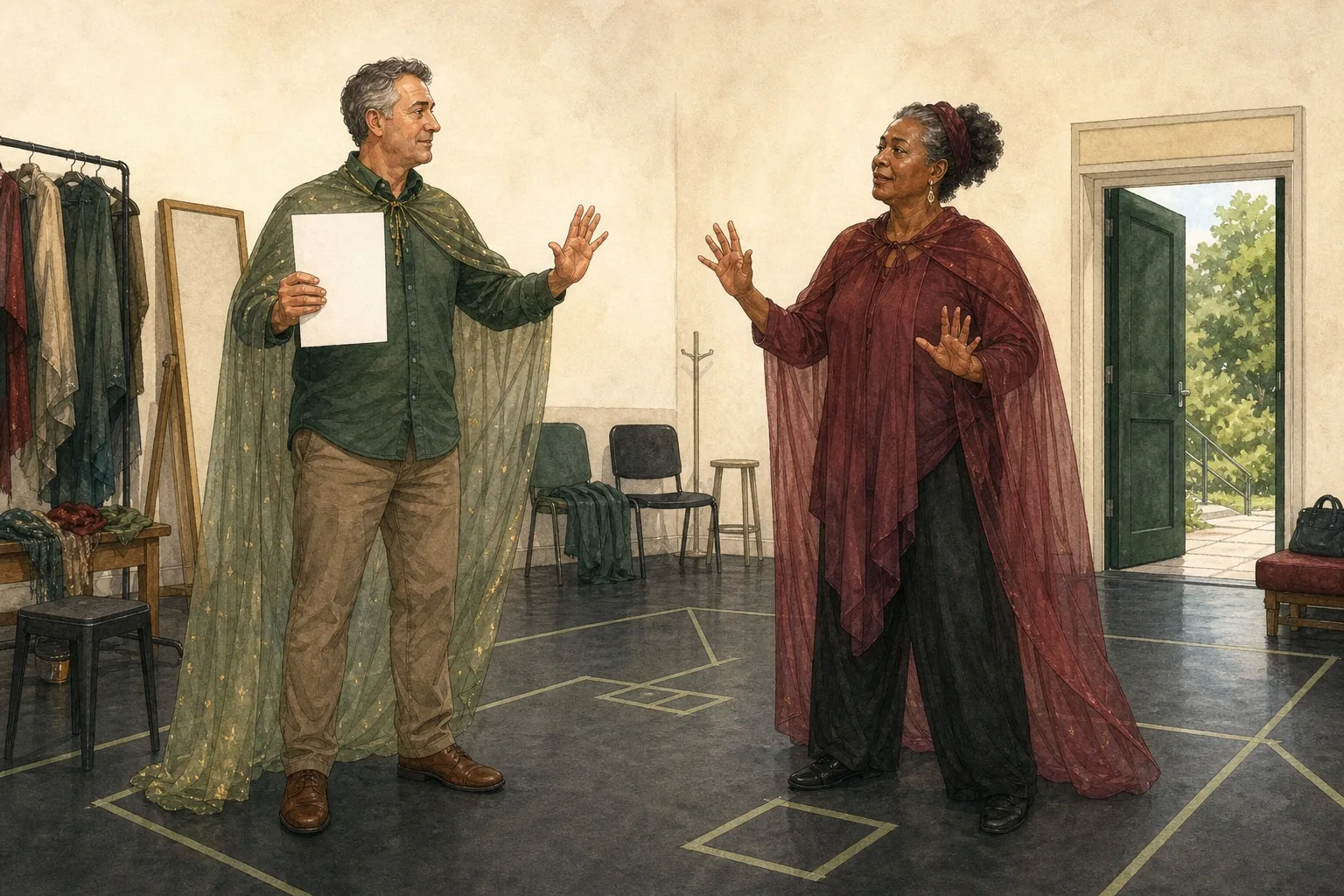
EDITORIAL ILLUSTRATIONThe fiction does not answer for a partner
Costume, lighting and story can frame adult role-play, while ordinary communication, capacity and withdrawal remain real. A character or supernatural premise cannot consent.
Illustration created using generative AI; not documentary evidence.
Representation and boundaries
Keep all site examples unambiguously adult-coded. Fictional framing does not resolve concerns about child-coded characters, identifiable real people, unlawful imagery or non-consensual distribution.
Creators and performers retain copyright, privacy and platform rights. Buying art or subscribing to fiction does not purchase personal access to its creator.
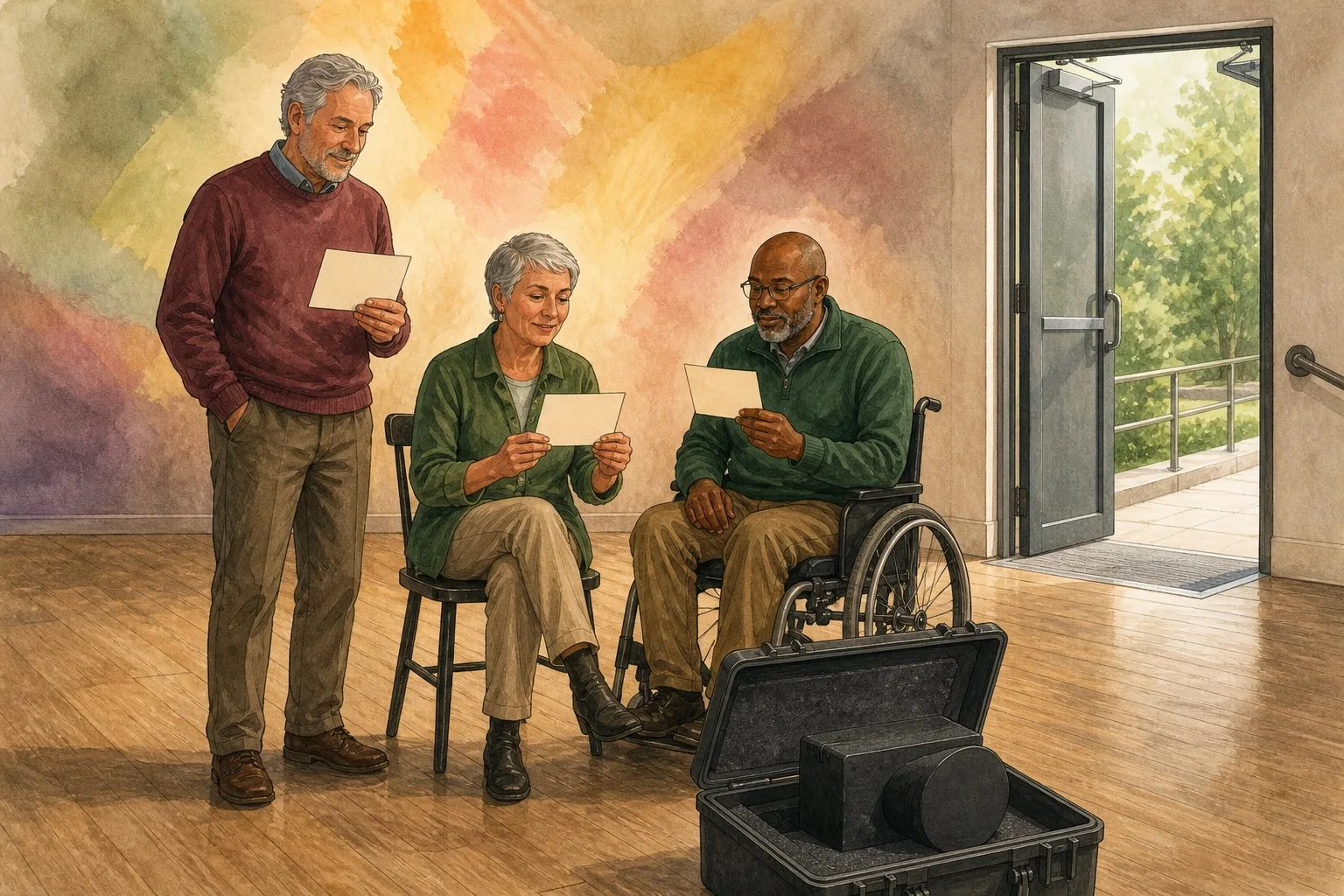
EDITORIAL ILLUSTRATIONKeep representation adult and private
Fiction and visual effects can avoid unsafe or misleading claims. Images, recordings, disclosure and use of another person's story or property still need specific permission.
Illustration created using generative AI; not documentary evidence.
Non-graphic examples
What the umbrella may include
Reading adult monster romance.
Imagining a ghost encounter without believing ghosts are present.
Using an adult-coded creature costume in negotiated role-play.
Exploring transformation through commissioned art.
Stopping a masked scene when communication becomes unclear.
Prepare for an appointment
Questions you could ask a professional
What information would help you understand my question?
What are the realistic options and uncertainties?
How can disability, communication or privacy needs be accommodated?
When should the situation be reviewed again?
These prompts do not replace assessment and do not imply that every reader needs professional care.
Continue learning
Take the next step from definition to context.
Continue with independent guidance connecting supernatural fantasy to evidence, consent, safety, uncertainty and practical decisions.