Intended use
Check whether a product is made for body contact and follow the stated body areas, warnings and temperature guidance.
 The UK Kink GuideIndependent product discovery
Product discovery / Massage and sensation products
Choose body-contact products by their ingredients, intended use, allergy information and barrier compatibility, and treat heat as a reason to slow down rather than a promise of safety. This guide names no preferred company or individual product.
Education only · no retailer linksNo company link, commission-earning link, paid placement or affiliate tracking appears on this page. Shopping, where available, is a separate next step with its own disclosure. This is publisher-reviewed category education; no external approval or individual-product certification is claimed.
Start here
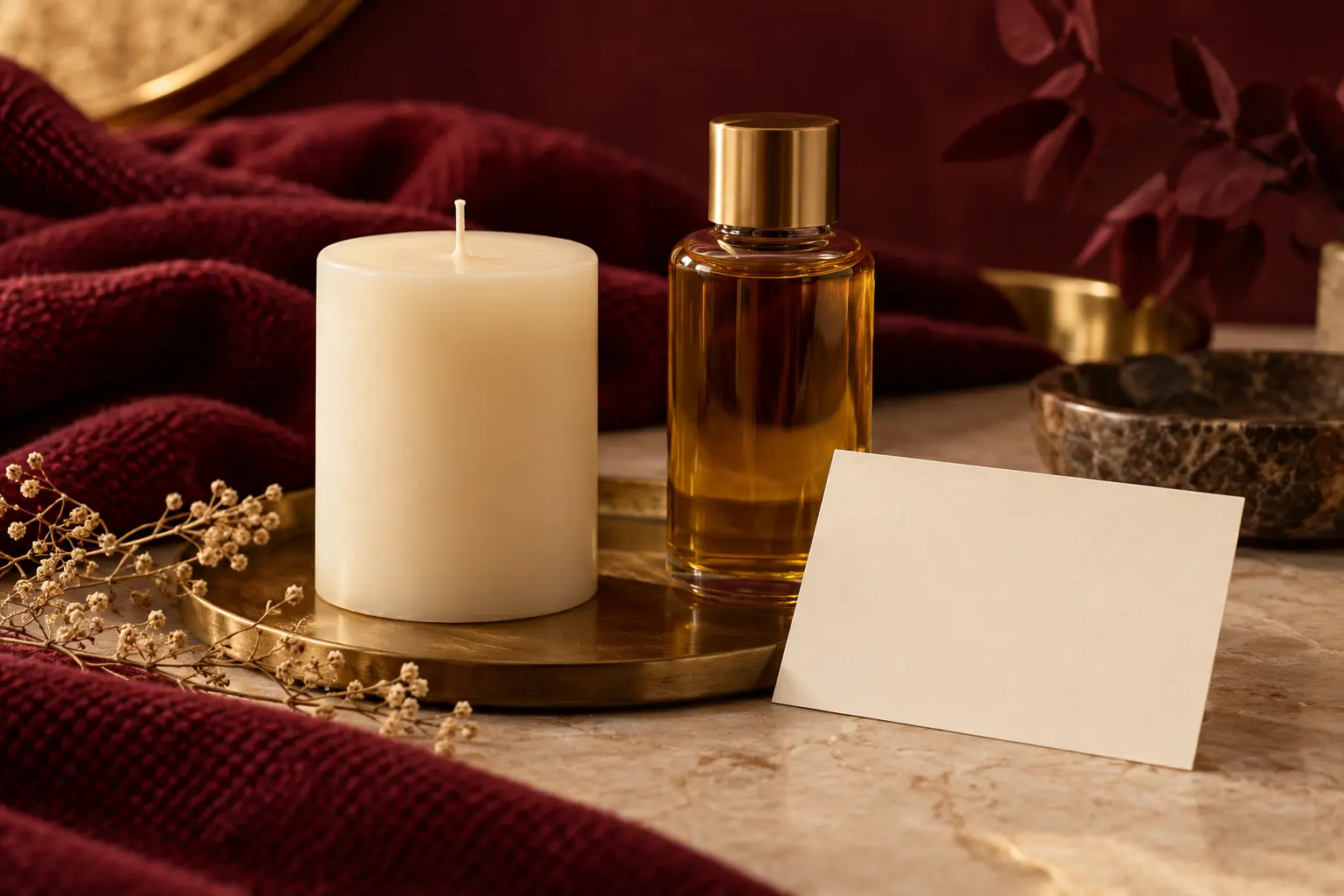
Oil, fragrance and heat can all irritate skin or change risk. Read the label, agree a stop plan and never use a household candle as though it were a body product.
Buying checklist
Check whether a product is made for body contact and follow the stated body areas, warnings and temperature guidance.
Read the full ingredient list and avoid a product with a known trigger, missing list or vague fragrance information.
The NHS says oil-based lubricant should not be used with latex condoms; do not assume a massage oil is barrier-compatible.
A candle flame, melted wax or warmed oil can burn. Temperature needs an explicit check and a plan to stop, not bravado.
Plan for slippery surfaces, sheets, packaging and wash-off so that a pleasant idea does not become a fall or a skin problem.
Burning, stinging, rash, swelling or persistent discomfort mean stop, wash off where appropriate and seek advice if symptoms are worrying.
Compare approaches
May be a simple option for external skin contact when ingredients and intended use are clear.
Check: Ingredient list, fragrance, patch-test advice, wash-off instructions and latex-barrier warning.
Need an especially cautious reading of the manufacturer’s body-use and temperature instructions; they are not interchangeable with household candles.
Check: Explicit body-use statement, temperature advice, ingredients, container safety and stop plan.
Can be unsuitable for sensitive skin or when a person cannot identify the ingredients.
Check: Full ingredients, warnings, past reactions and whether a simpler unscented option would be better.
Massage products can sound uncomplicated, yet body contact, fragrance, oil and heat each bring separate questions. Use only an item whose label identifies its ingredients, intended use and warnings. A beautiful jar or a retailer’s ‘sensual’ description does not show that a household candle is safe to apply to skin, that an oil is compatible with a latex condom, or that someone will not react to a fragrance.
Start with agreement, not a surprise. Discuss whether massage is welcome, which areas are off limits, whether there are allergies or skin conditions, how a pause will be signalled and what wash-up is practical. This is especially important with heat: a person should be able to move away, speak and stop the activity without being held in place or pressured to tolerate a sensation.
Read the full ingredient list before buying. Fragrance blends, essential oils and warming ingredients can be irritating for some people, and a label such as ‘natural’ does not predict a person’s reaction. Keep the original container or a photograph of the ingredients in case a reaction occurs. If the list is absent or a seller cannot identify the product’s intended use, choose a clearer alternative.
The NHS says not to use oil-based lubricant with latex condoms because oil can damage latex. A massage oil is not automatically a lubricant, but the same compatibility issue makes it important to keep oil away from latex barriers unless the exact product instructions say otherwise. Do not rely on a product category name; check the barrier packet and any relevant manufacturer guidance.
A candle marketed for body massage should still have clear instructions about its intended use, ingredients and temperature. Household candles, wax melts and decorative candles are not substitutes: their ingredients and melting behaviour may be different, and their containers can become hot. Never heat a product or transfer wax simply because it looks similar to a specialist item.
Heat should be checked cautiously and never used to test someone’s tolerance. Keep flame, hot containers and melted material away from hair, clothing, bedding and anything that could catch fire. Have a calm way to stop, cool a minor burn and obtain help. If there is a significant burn, persistent pain, blistering or a concern about a serious reaction, use NHS 111 or emergency care as appropriate.
Skin sensitivity can change with medication, shaving, eczema, menopause, stress or a recent reaction. Follow any patch-test advice on the product and do not interpret a small test as permission to ignore later stinging, burning, redness or swelling. Avoid applying unfamiliar products to broken or irritated skin. If a reaction happens, stop and follow the product’s wash-off guidance rather than adding another product to counter it.
Prepare the room as well as the product. Oil can make floors, handles and bathroom surfaces slippery, while a glass container can be hot or breakable. Put down washable protection if useful, keep the exit route clear and consider whether the smell or clean-up will be comfortable for everyone afterwards. These ordinary details often decide whether an idea feels relaxed or disruptive.
Compare products by what a seller can substantiate: ingredients, amount supplied, intended external use, warnings, storage, wash-off advice, return terms and a responsible-business contact. Claims about aphrodisiac effects, luxury ingredients or ‘skin-safe’ status are not clinical evidence and should not outweigh missing specifications. Keep the order record in case there is a fault, misdescription or recall.
Price does not guarantee gentleness. A simple, clearly labelled product can be easier to assess than a premium item with a long list of undisclosed fragrance ingredients. If buying a sealed item online, check return conditions before opening it. A fault or misleading description is different from a change of mind, and Citizens Advice explains consumer routes when a trader will not resolve a problem.
Can any candle be used for massage? No. Use only a product specifically intended for body contact and follow its instructions; ordinary candles are not interchangeable. Are oils compatible with latex condoms? Do not assume so: the NHS warns that oil-based lubricant can damage latex condoms. Does a pleasant scent mean a product is gentle? No; fragrances can still irritate skin.
Should a warming sensation be pushed through? No. Stop with stinging, burning or discomfort. Can someone consent to a surprise candle or oil? Consent should be specific enough to include the product and sensation; it is better to ask first. A person can change their mind after application as well as before it.
Use NHS 111 for urgent advice about a burn, skin reaction or symptom that needs prompt attention but is not life-threatening. Call 999 for a serious emergency. A pharmacist, GP or sexual-health service can advise on a persistent rash, irritation or concern about a product used on intimate skin. Do not try to diagnose a significant reaction from a retailer’s reviews.
Stop using a defective or misleading product, keep its packaging and order details, tell the seller and check GOV.UK product-safety alerts and recalls. Citizens Advice can help with consumer rights. If someone is worried about pressure, fear or consent around a sensation activity, a trusted support service is more important than finding a different product.
Ask before buying
Evidence and limits
These sources support the category-level checks and signposting. They do not certify an individual product or turn general guidance into a safety guarantee.
Keep learning