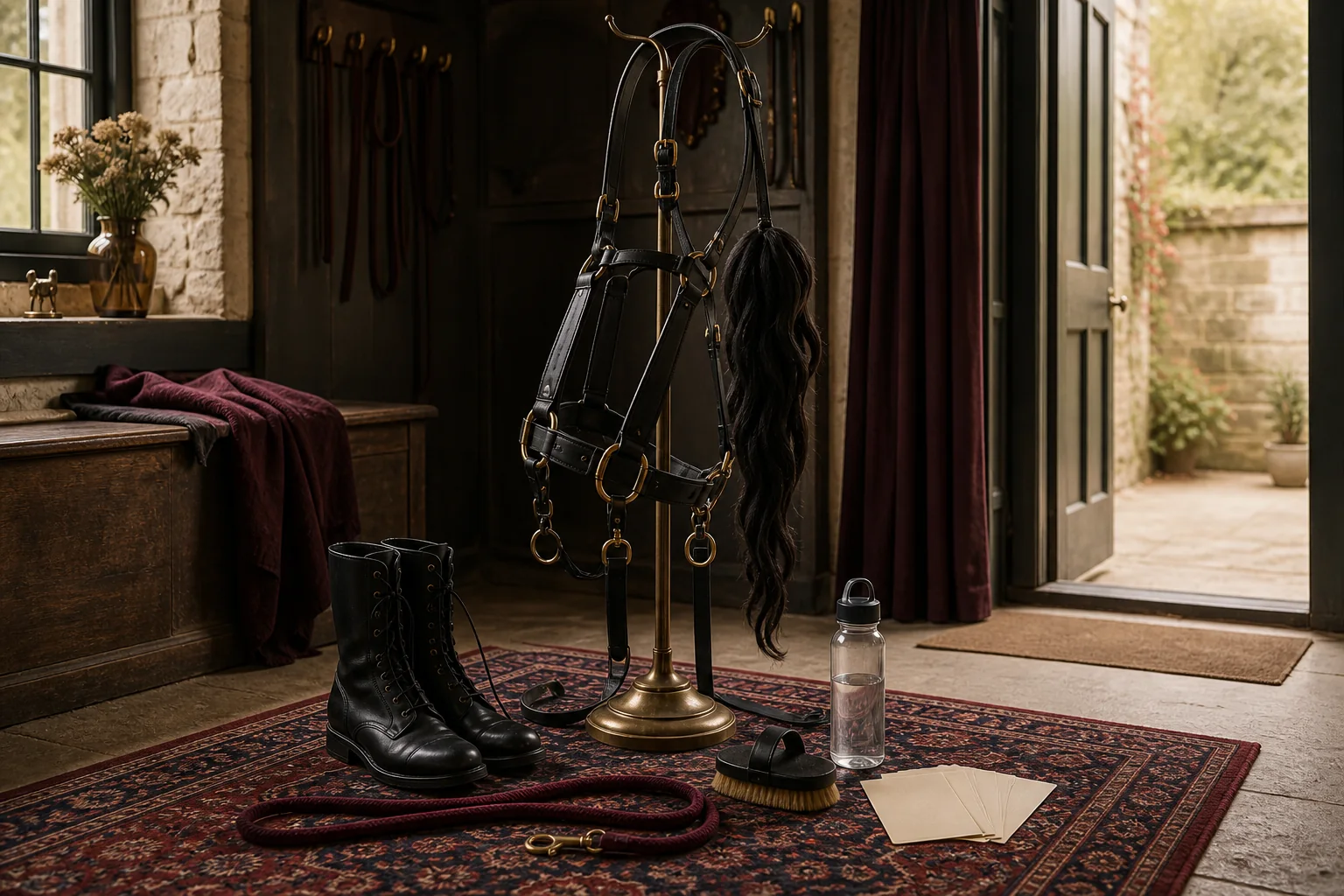
Adult pet-play fantasy based on stylised equine roles, potentially involving persona, grooming ritual, dressage-like movement, costume, handler dynamics or carefully assessed cart work.
Sources and evidence type
Manual claim and limitation notes are shown where an individual source audit is complete. Other evidence-type labels are a publisher aid awaiting source-by-source confirmation.
PUC-SP (2023), exploratory pony-play studyResearch study
Source design
Peer-reviewed research or review
What it can support
The specific population, measures and findings reported by the paper.
Important limitation
It cannot automatically establish UK prevalence, causation, diagnosis, consent or an individual outcome. Check recruitment, definitions and study design.
The specific population, measures and findings reported by the paper.
Important limitation
It cannot automatically establish UK prevalence, causation, diagnosis, consent or an individual outcome. Check recruitment, definitions and study design.
Illustration created using generative AI; not documentary evidence.
In brief
Equine symbolism does not turn a person into equipment or remove human limits.
Pony play is imaginative adult performance, not interaction with real animals. Participants may value athletic movement, non-verbal focus, elegance, service, training symbolism or community. The pony remains a human adult with ordinary autonomy, and the handler title grants only negotiated authority. Hoof-style footwear, restrictive tack, outdoor surfaces and load-bearing activities create distinct fall and equipment risks.
Meaning and communication
Agree persona, cues, titles, touch, grooming, audience and whether speech is restricted. Maintain a human stop signal outside the animal performance.
Non-verbal immersion can feel meaningful but cannot substitute for consent checks. A handler must recognise fatigue, confusion and distress.
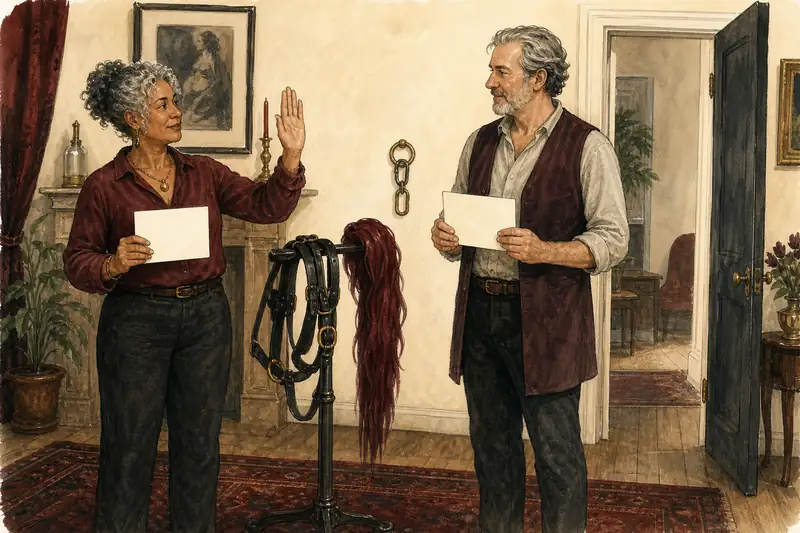
EDITORIAL ILLUSTRATIONHuman communication remains primary
Persona, cues and reduced speech can support immersion, but a clear human stop signal and ordinary check-ins remain available throughout the performance.
Illustration created using generative AI; not documentary evidence.
Status
Detailed editorial draft
Publisher
The UK Kink Guide
Reviewed
Structured draft present; individual review date not recorded
Evidence
3 cited sources · types labelled below
Jurisdiction
UK-focused general education
Read the rest: evidence, law, safety and sources
Pony persona
An adult performs an equine-inspired identity or movement style.
Handler or trainer role
An agreed partner role involving cues, care or structure, not real ownership.
Dressage-style play
Choreographed movement or presentation without necessarily involving power exchange.
Cart or load work
Advanced load-bearing activity requiring purpose-designed equipment, fitting and specialist competence.
Movement and falls
Warm up, use clear level surfaces and match movement to fitness, joints and balance. Hoof boots, high steps and limited vision can greatly increase fall risk.
Stop for pain, dizziness, breathlessness, weakness or loss of coordination. Do not use roads, traffic or uncontrolled public spaces.
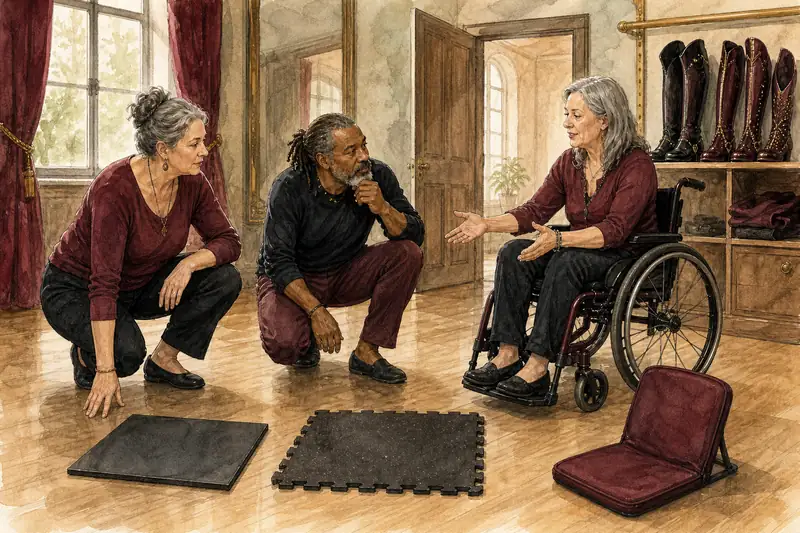
EDITORIAL ILLUSTRATIONMovement choices change fall risk
Footwear, vision, surface and balance affect risk. Flat shoes, seated movement and other accessible alternatives do not make an adult pony persona less authentic.
Illustration created using generative AI; not documentary evidence.
Tack and load
Fit harnesses, bits, masks and straps to avoid airway, neck, nerve and skin pressure. Human mouths and spines are not equine load points.
Cart work and other load-bearing forms are advanced. This card provides no technique; they require purpose-designed systems and experienced in-person assessment.
Evidence and boundaries
Direct pony-play research is extremely limited and qualitative. It describes themes but cannot establish prevalence, benefits or safe training practices.
No real animal should be involved in sexual activity, and public performance must respect non-participants, venue rules and animal-welfare boundaries.
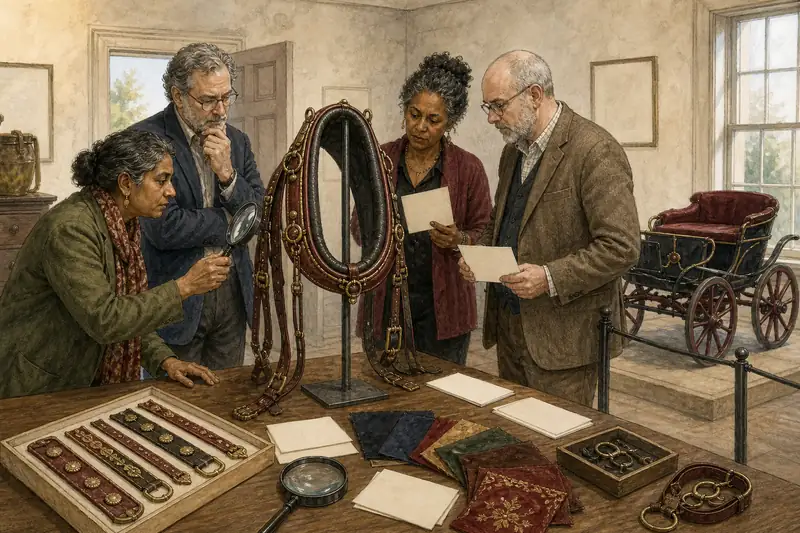
EDITORIAL ILLUSTRATIONSparse evidence cannot validate load work
Exploratory studies describe meanings rather than safe training systems. Decorative tack does not turn a person into equipment or establish a safe load-bearing method.
Illustration created using generative AI; not documentary evidence.
Non-graphic examples
What the umbrella may include
Practising an adult pony persona through posture and sound.
Using verbal human check-ins between non-verbal sequences.
Choosing flat footwear instead of hoof boots.
Using decorative tack with no load.
Keeping cart work outside beginner experimentation.
Prepare for an appointment
Questions you could ask a professional
What information would help you understand my question?
What are the realistic options and uncertainties?
How can disability, communication or privacy needs be accommodated?
When should the situation be reviewed again?
These prompts do not replace assessment and do not imply that every reader needs professional care.
Continue learning
Take the next step from definition to context.
Continue with independent guidance connecting pony play to evidence, consent, safety, uncertainty and practical decisions.