Adult fantasy focused on pregnancy, fertility, conception symbolism, body change, anticipation or caregiving, without necessarily expressing a wish for real pregnancy.
Sources and evidence type
Manual claim and limitation notes are shown where an individual source audit is complete. Other evidence-type labels are a publisher aid awaiting source-by-source confirmation.
Joyal et al. (2015), adult sexual-fantasy surveyResearch study
Source design
Peer-reviewed research or review
What it can support
The specific population, measures and findings reported by the paper.
Important limitation
It cannot automatically establish UK prevalence, causation, diagnosis, consent or an individual outcome. Check recruitment, definitions and study design.
Open the original source Domestic Abuse Act statutory guidance: reproductive coercionLaw or regulator
Source design
Primary legislation, prosecutorial or regulator guidance
What it can support
The legal provision or official regulatory position for the jurisdiction and date stated.
Important limitation
It is not fact-specific legal advice. Commencement, amendments, jurisdiction and case law may affect application.
Illustration created using generative AI; not documentary evidence.
In brief
Fantasy is not reproductive consent, intention or permission to interfere with contraception.
Pregnancy fantasy may be explored privately, through adult fiction, costume, role-play or discussion. Its meaning can involve transformation, fertility, intimacy, vulnerability, power, family symbolism or an imagined body state. Fantasy does not establish reproductive intent, gender, fertility, parenting wishes or consent to conception. Real decisions about contraception, pregnancy, abortion, fertility treatment and parenthood remain separate, consequential choices controlled by the person whose body and future are affected.
Fantasy and real-world intent
Ask whether the interest is fictional, symbolic, role-based or connected to an actual reproductive plan. Never infer a wish for pregnancy from arousal, fiction or scene language.
Keep contraception and safer-sex decisions explicit and outside improvisation. Consent to fantasy cannot authorise condom removal, contraceptive sabotage, deception or pressure.
EDITORIAL ILLUSTRATIONFantasy is not reproductive intent
Fiction, symbolism and scene language do not establish a wish for pregnancy or parenthood. Contraception and safer-sex decisions stay explicit and outside improvisation, deception or pressure.
Illustration created using generative AI; not documentary evidence.
Status
Detailed editorial draft
Publisher
The UK Kink Guide
Reviewed
Structured draft present; individual review date not recorded
Evidence
3 cited sources · types labelled below
Jurisdiction
UK-focused general education
Read the rest: evidence, law, safety and sources
Pregnancy fantasy
Imagined adult scenario or symbolism involving pregnancy or fertility.
Reproductive intention
A real-world wish or plan concerning conception and parenthood, requiring explicit discussion and ongoing agreement.
Breeding fantasy
A community term often focused on conception symbolism or risk language; it still does not establish real consent to pregnancy.
Reproductive coercion
Interference, pressure or deception affecting contraception, pregnancy or reproductive healthcare; this is abuse, not consensual fantasy.
Language, identity and grief
Pregnancy themes can intersect with infertility, loss, abortion, dysphoria, disability, transition, adoption and family expectations. Agree words and stop topics without demanding personal disclosure.
Do not assume only women can become pregnant or that womanhood requires pregnancy. A participant may enjoy the fantasy while rejecting parenthood or real bodily change.
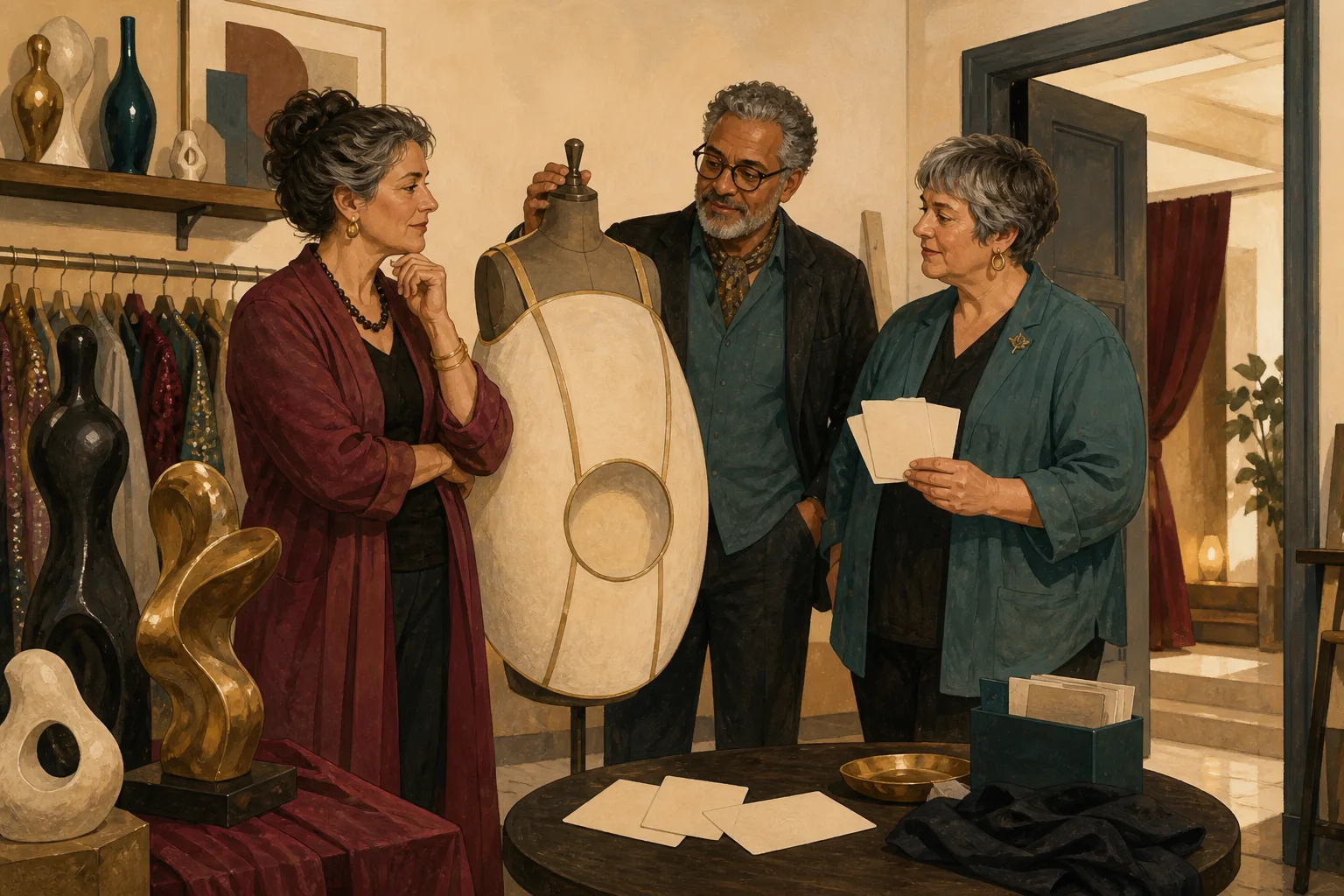
EDITORIAL ILLUSTRATIONLanguage can carry identity and grief
Pregnancy themes may intersect with infertility, loss, abortion, dysphoria, disability, transition, adoption and family expectations. Adults can set words and topics aside without disclosing personal history.
Illustration created using generative AI; not documentary evidence.
Costume and representation
Use fiction, artwork or lightweight purpose-made costume rather than compression, heat, excessive load or products presented as changing fertility. Stop for pain, breathlessness, dizziness or skin reaction.
Do not present pregnancy, birth or medical care as risk-free. If someone is actually pregnant, clinical advice and their own comfort take priority over scene plans.
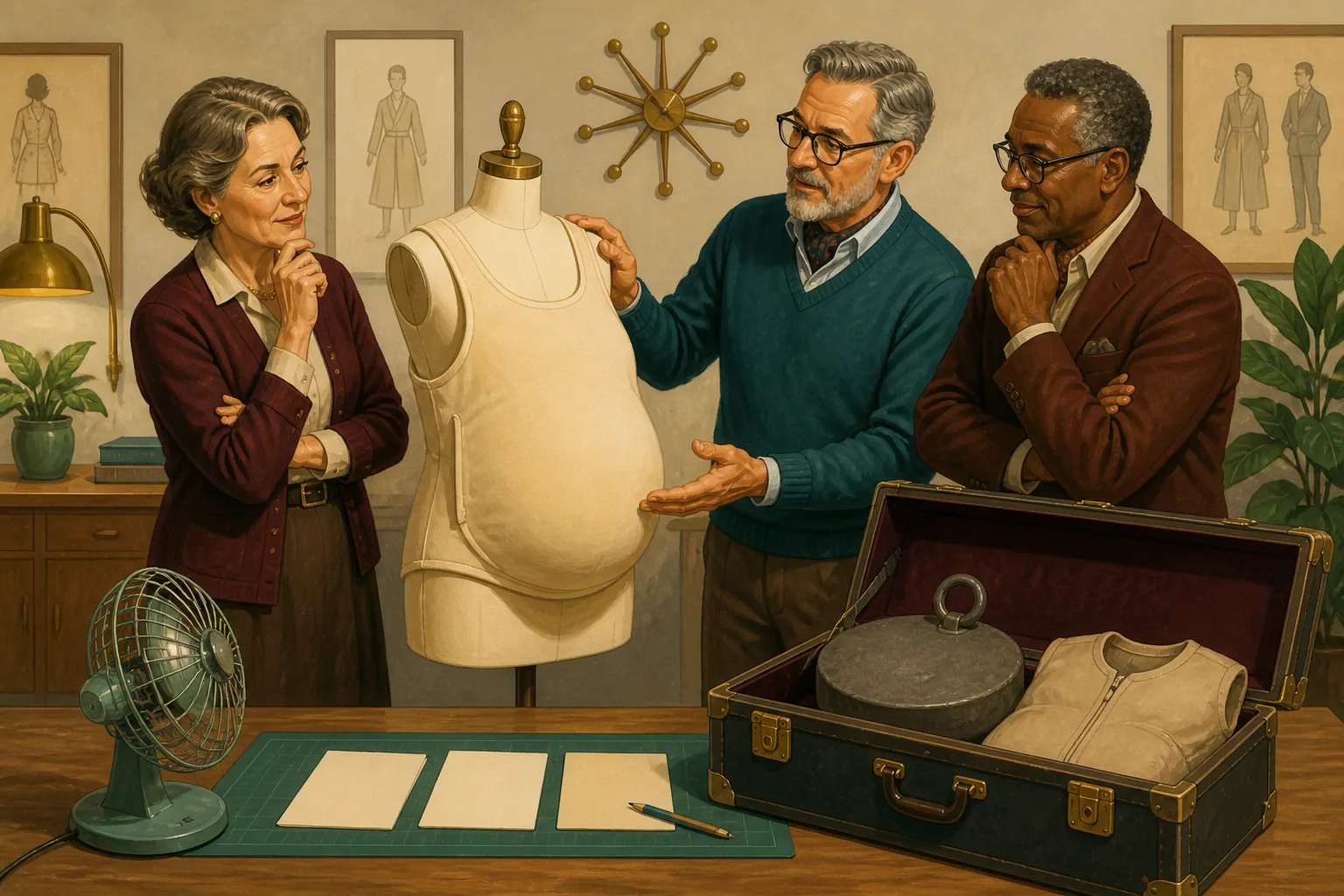
EDITORIAL ILLUSTRATIONRepresent change without adding body risk
Fiction, artwork and lightweight purpose-made costume can carry transformation themes without compression, heat or excessive load. Real pregnancy and concerning symptoms require individual clinical guidance.
Illustration created using generative AI; not documentary evidence.
Evidence and clinical distinction
Sexual-fantasy surveys show wide variation in adult fantasy content but do not reliably measure pregnancy fantasy as a distinct category or predict behaviour.
An unconventional fantasy is not a disorder by itself. Assessment should focus on distress, functioning, consent and actual conduct rather than treating imagined content as intent.
Non-graphic examples
What the umbrella may include
Reading adult pregnancy-themed fiction without seeking conception.
Using a lightweight costume for transformation imagery.