Consensual exhibitionistic play is an adult scenario in which being seen or displayed is part of a shared agreement. The audience is specific, informed and willing, and the setting is private or explicitly arranged for consenting adults.
 The UK Kink GuideEvidence-led glossary
 Back to the glossaryFantasy & performanceIn plain English Words in context A non-graphic adult example What not to assume
Consensual exhibitionistic play
Also known as agoraphilia · exhibitionistic play
A staged adult scenario in which agreed visibility or display creates excitement. It belongs in private, controlled or specifically consenting settings; exposing non-consenting bystanders is outside this definition.
Start here
New to this term?
Private display, agreed performance and online display involve different audiences and privacy risks. Non-consensual public exposure is not exhibitionistic play and is excluded, regardless of the performer's intention.
An adult might agree to pose in costume for a named partner or a specifically consenting group while retaining separate control over touch and images. An online audience requires its own platform and privacy decisions.
Consent to visibility does not permit recording, redistribution, identifying the person or additional interaction. Bystanders also have consent rights; a public place does not make them an audience. Research can describe exhibitionistic fantasy and behaviour, but cannot blur the legal and ethical line created by an unwilling audience.
Sources and evidence type
Manual claim and limitation notes are shown where an individual source audit is complete. Other evidence-type labels are a publisher aid awaiting source-by-source confirmation.
Dunkley & Brotto (2020), BDSM consent reviewResearch study
- Source design
- Peer-reviewed research or review
- What it can support
- The specific population, measures and findings reported by the paper.
- Important limitation
- It cannot automatically establish UK prevalence, causation, diagnosis, consent or an individual outcome. Check recruitment, definitions and study design.
Sexual Offences Act 2003, section 66Law or regulator
- Source design
- Primary legislation, prosecutorial or regulator guidance
- What it can support
- The legal provision or official regulatory position for the jurisdiction and date stated.
- Important limitation
- It is not fact-specific legal advice. Commencement, amendments, jurisdiction and case law may affect application.
Sexual Offences Act 2003, intimate-image provisionsLaw or regulator
- Source design
- Primary legislation, prosecutorial or regulator guidance
- What it can support
- The legal provision or official regulatory position for the jurisdiction and date stated.
- Important limitation
- It is not fact-specific legal advice. Commencement, amendments, jurisdiction and case law may affect application.
ICO, special-category dataLaw or regulator
- Source design
- Primary legislation, prosecutorial or regulator guidance
- What it can support
- The legal provision or official regulatory position for the jurisdiction and date stated.
- Important limitation
- It is not fact-specific legal advice. Commencement, amendments, jurisdiction and case law may affect application.
WHO ICD-11 clinical requirements (2024)Clinical guideline
- Source design
- Current public-health or clinical guidance
- What it can support
- Service pathways, health definitions and recommended public-health or clinical actions within its stated scope.
- Important limitation
- General guidance cannot assess an individual’s symptoms, exposure, medicine, contraindications or urgency.

Fantasy & performance
Illustration created using generative AI; not documentary evidence.
In brief
Visibility is consensual only when the audience agrees too.
Consensual exhibitionistic play is a staged adult scenario in which being seen is part of a shared agreement. The audience is specific, informed and willing, and the setting is private or explicitly arranged for consenting adults. It is not public exposure to unaware people, and it does not authorise photography, redistribution or additional interaction.
Consent runs in both directions
The displaying adult must choose the audience and activity, while each observer must also agree to receive it. A partner's enthusiasm cannot supply consent for a housemate, venue worker, neighbour, passer-by or person who joins a call unexpectedly.
Agreement to look is not permission to touch, direct, photograph or publish. Likewise, a revealing garment, pose, profile or previous performance is not an open invitation. See Consensual voyeuristic play for the corresponding observer-focused entry.
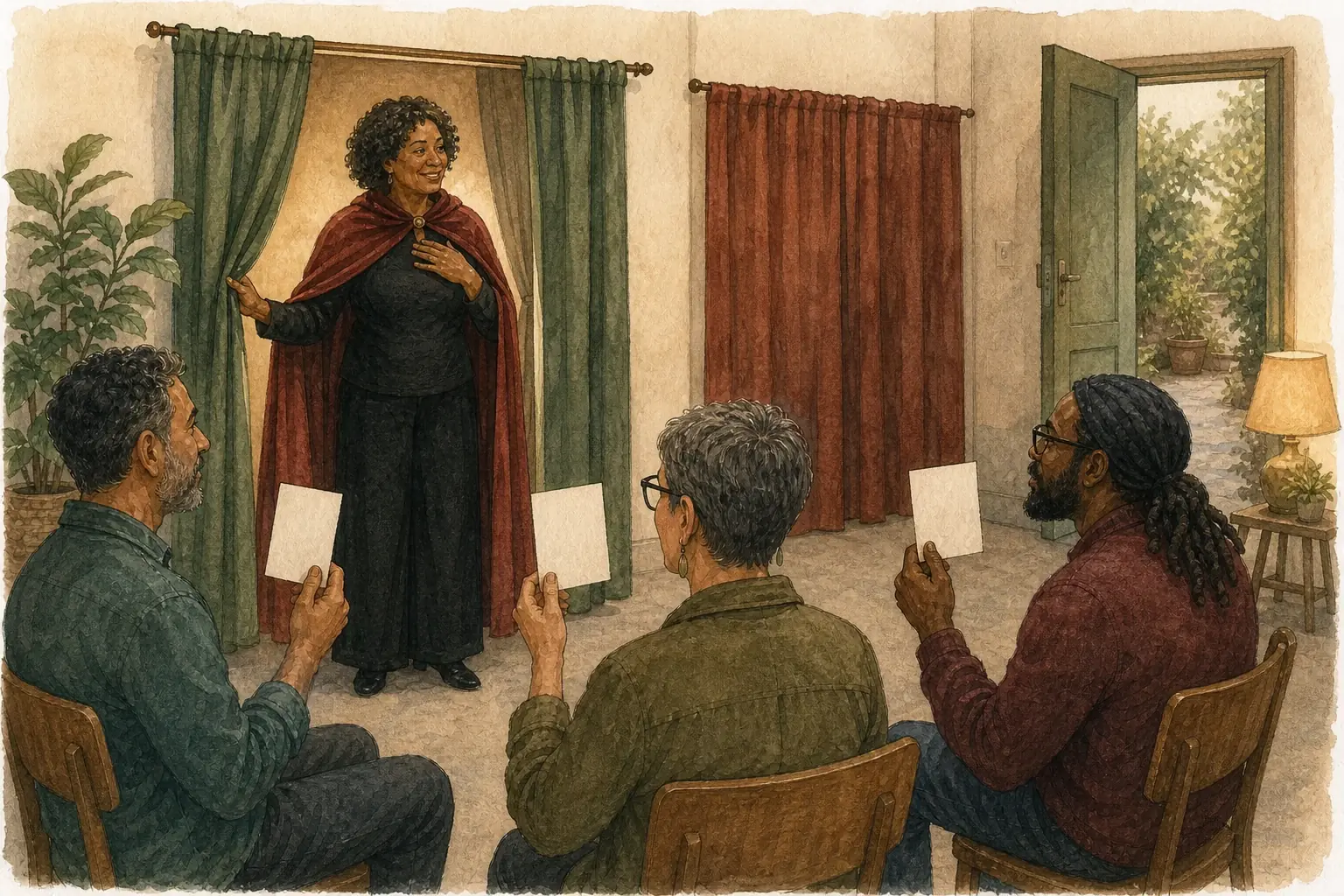
The displaying adult and every observer need to agree to the specific setting. A partner cannot supply consent for a housemate, worker, passer-by or unexpected caller.
Illustration created using generative AI; not documentary evidence.- Status
- Detailed editorial draft
- Publisher
- The UK Kink Guide
- Reviewed
- Structured draft present; individual review date not recorded
- Evidence
- 5 cited sources · types labelled below
- Jurisdiction
- UK-focused general education
Read the rest: evidence, law, safety and sources
An adult chooses to be seen by a named partner or specifically consenting group in a controlled setting.
Agreed posing, costume or role-play for an adult audience; the performer still controls touch and images separately.
A mediated audience with added risks around capture, identity, moderation and redistribution.
Forcing sexual visibility on unaware or unwilling bystanders is excluded and may be criminal.
Setting, symbols and digital boundaries
A curtain, stage mark, lighting cue, adult costume, mirror or blank audience card may frame a display. Their appeal can involve attention, vulnerability, confidence, aesthetics or role, but none changes the need for a controlled audience.
Online platforms can create screenshots, recordings, identifiers and durable copies even when a display feels fleeting. Names, faces, tattoos, rooms and account details can identify people. Permission for a live view therefore should not be treated as permission to capture or redistribute it.
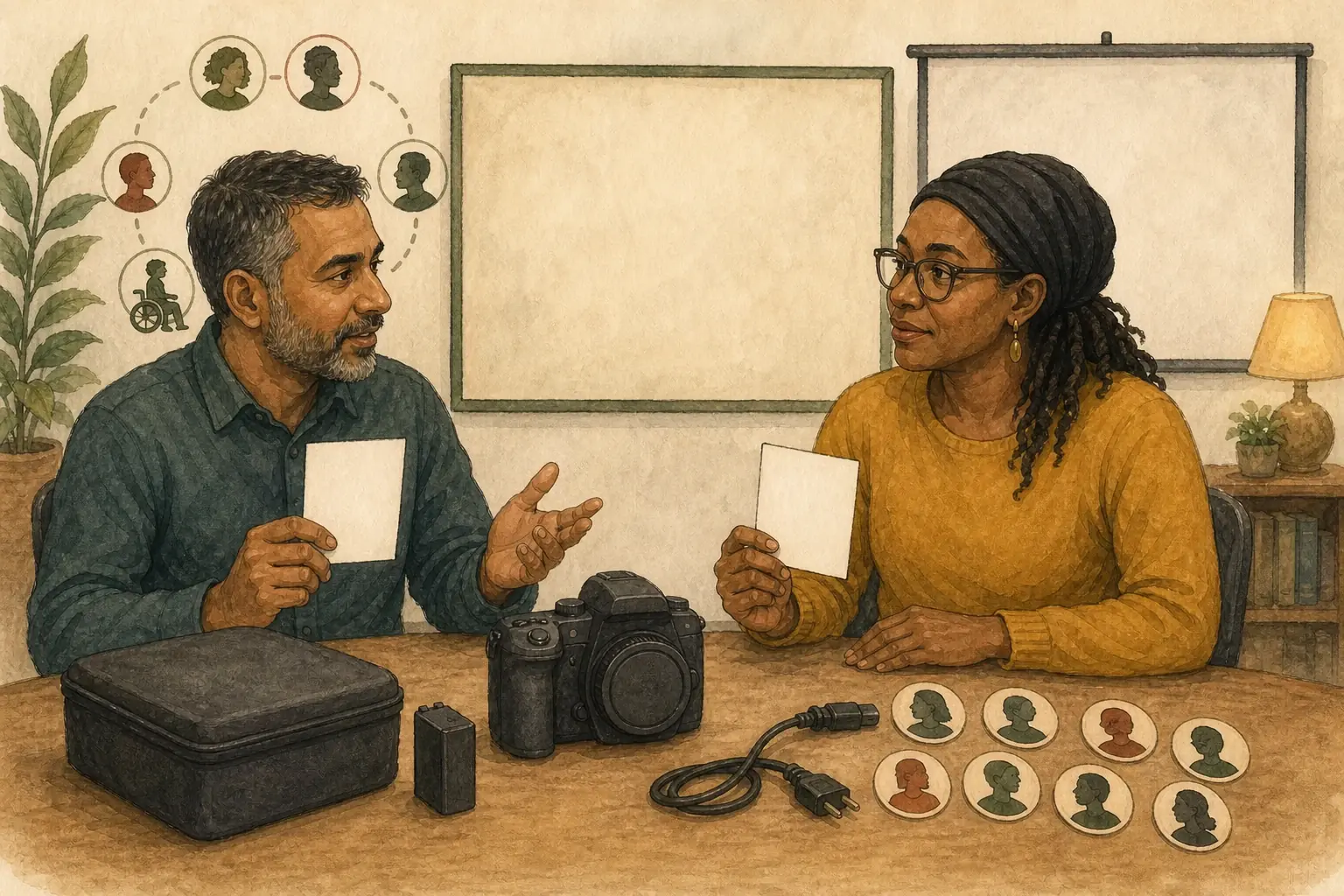
Watching, directing, capturing, retaining and redistributing are separate permissions. Faces, tattoos, rooms and account details can also make an apparently fleeting display identifiable.
Illustration created using generative AI; not documentary evidence.Evidence and clinical distinction
Direct research on consensual exhibitionistic play is sparse. Most clinical work concerns exhibitionistic disorder or non-consensual exposure, while broad kink surveys group display with many other interests. Those sources cannot supply a reliable prevalence figure or typical motive for negotiated adult performance.
WHO guidance separates consensual adult interests from paraphilic disorders through distress, impairment, serious risk and involvement of non-consenting people. Enjoying an agreed display is not diagnostic evidence; exposing unwilling people falls outside the consensual category regardless of motive.
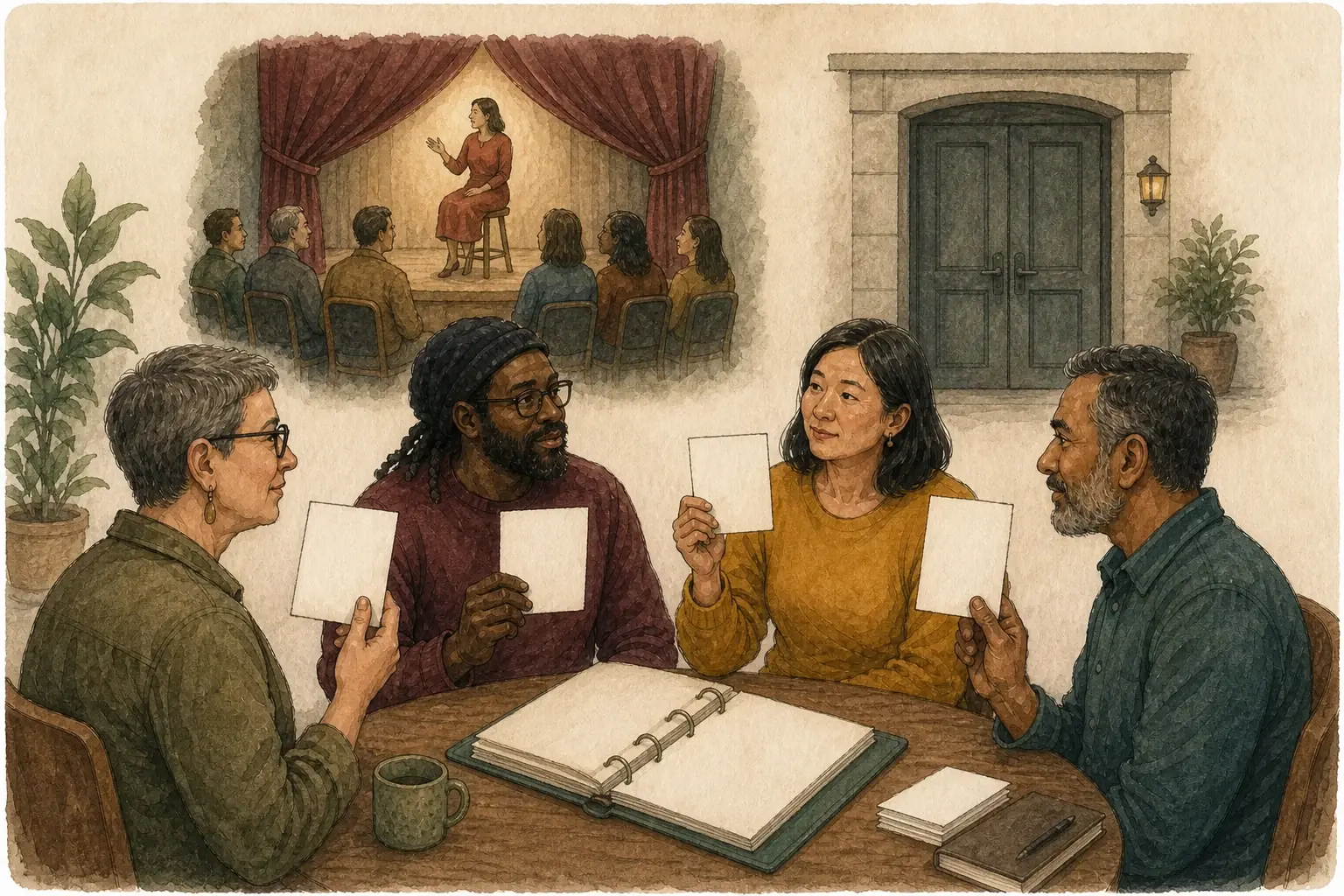
Research on agreed adult display is sparse. Clinical studies of non-consensual exposure cannot establish the prevalence, motive or effects of consensual exhibitionistic play.
Illustration created using generative AI; not documentary evidence.UK legal and privacy context
In England and Wales, section 66 of the Sexual Offences Act 2003 concerns intentional genital exposure where the person intends that someone will see and be caused alarm or distress. Other offences can apply to non-consensual intimate images. Scotland and Northern Ireland use their own legislation, and venue or platform rules can be stricter.
The ICO identifies data about a person's sex life or sexual orientation as special-category data. If a display is recorded or streamed, consent, lawful handling, access and deletion are separate practical and legal questions. This entry does not turn a private agreement into permission for public exposure.
Non-graphic examples
What the umbrella may include
- An adult posing for a named partner in a private room after both agree the boundaries.
- A specifically consenting adult group watching a costume-based performance with no photography.
- Using a curtain or lighting change to mark when a private display begins and ends.
- Declining recording while still consenting to a live view.
- Ending the display before a visitor, staff member or other non-participant enters the setting.
Prepare for an appointment
Questions you could ask a professional
- What information would help you understand my question?
- What are the realistic options and uncertainties?
- How can disability, communication or privacy needs be accommodated?
- When should the situation be reviewed again?
These prompts do not replace assessment and do not imply that every reader needs professional care.
Continue learning
Take the next step from definition to context.
Continue with independent guidance connecting consensual exhibitionistic play to evidence, consent, safety, uncertainty and practical decisions.
Separate adult fantasy from roleplay, agree a scene's limits, protect privacy and know when to seek support.
Read the guideRelated in-depth reading
Read the full guide.
Explore a connected question with context and UK support routes.
UK public-sex law, exposure changes from September 2026, public lavatories, public decency and differences across the four nations.
Read the full guide UK lawExhibitionism and voyeurism kink: consent and the lawConsensual adult exhibitionism and voyeurism versus exposure, covert observation and cyberflashing offences across UK jurisdictions.
Read the full guide