An attraction to statues, mannequins, dolls or adults styled and posed to resemble them, potentially focused on stillness, artificiality, display or transformation.
Sources and evidence type
Manual claim and limitation notes are shown where an individual source audit is complete. Other evidence-type labels are a publisher aid awaiting source-by-source confirmation.
Scorolli et al. (2007), attraction to human-like objectsResearch study
Source design
Peer-reviewed research or review
What it can support
The specific population, measures and findings reported by the paper.
Important limitation
It cannot automatically establish UK prevalence, causation, diagnosis, consent or an individual outcome. Check recruitment, definitions and study design.
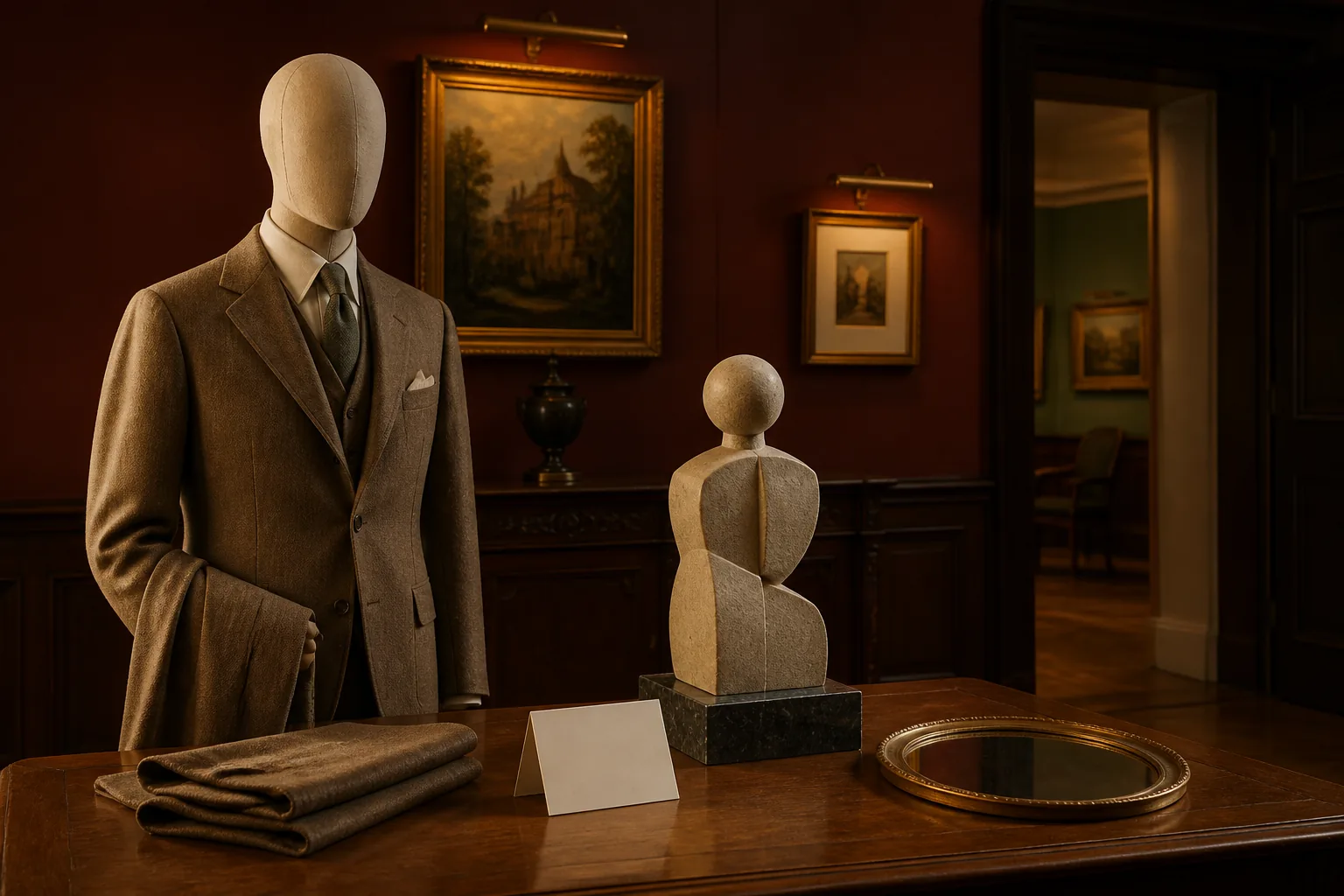
EDITORIAL ILLUSTRATIONStatue and mannequin interest
Body & object focus
Illustration created using generative AI; not documentary evidence.
In brief
Stillness is a performance state—not loss of human consent, circulation or exit rights.
Agalmatophilia is a descriptive label used for varied interests in human-like objects or statue-like people. Interest may concern material, perfection, stillness, display, animation fantasy or becoming an object. When a human adult participates, objectification is a reversible performance and does not remove autonomy. Prolonged stillness, fixed poses, body paint, restrictive costume and display environments can introduce pressure, circulation, heat, fall and privacy risks.
Human autonomy and audience
Agree pose, costume, touch, speech, duration, audience, photography and an unmistakable stop signal. Silence or stillness cannot be treated as continuing consent.
Public performers, museum objects and shop mannequins are not invitations to sexual conduct. Respect property, venue rules and non-consenting audiences.
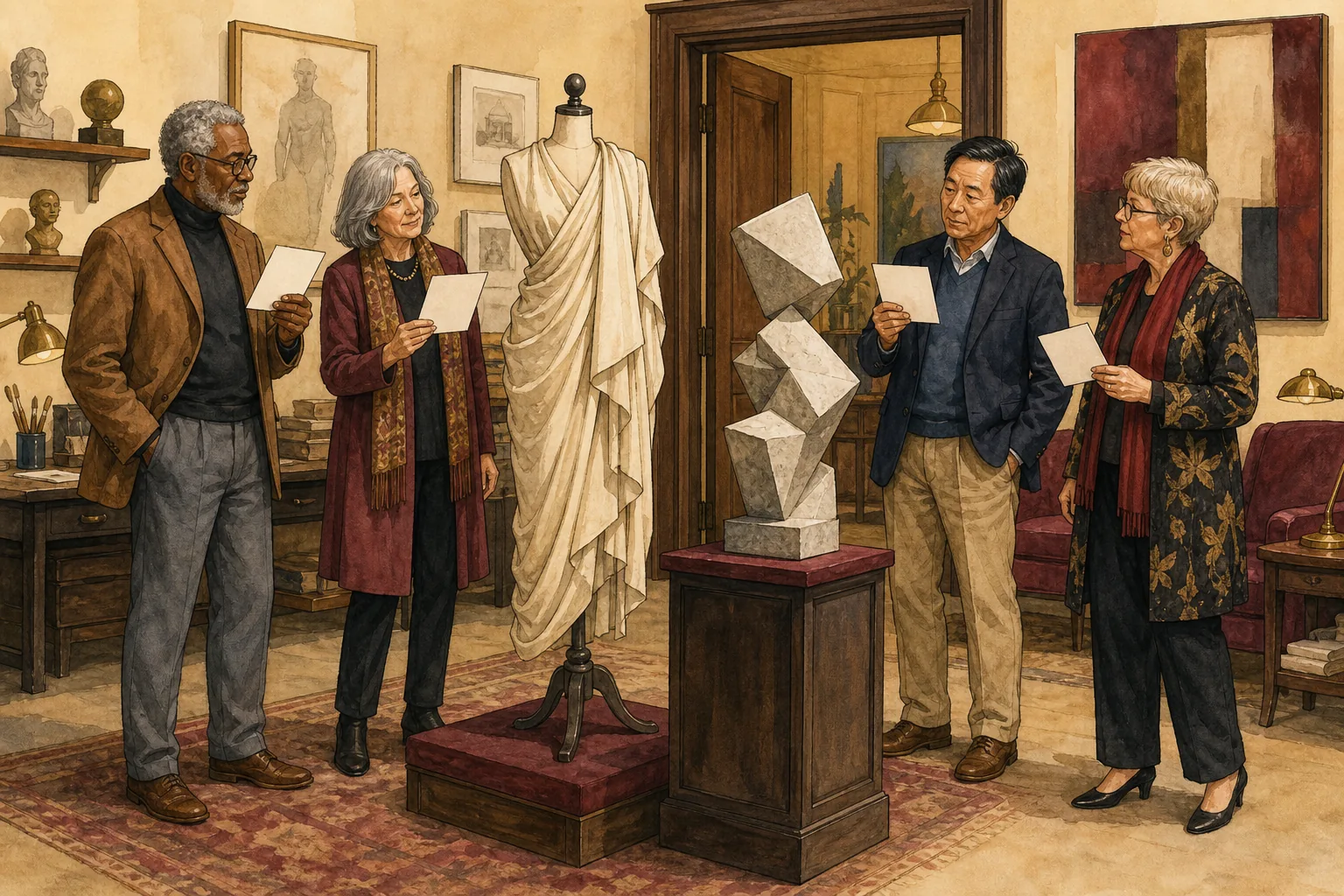
EDITORIAL ILLUSTRATIONObjects and people remain distinct
A participating adult retains autonomy, speech and the right to move. Museum objects, shop mannequins and public performers are not invitations to sexual conduct or touch.
Illustration created using generative AI; not documentary evidence.
Status
Detailed editorial draft
Publisher
The UK Kink Guide
Reviewed
Structured draft present; individual review date not recorded
Evidence
3 cited sources · types labelled below
Jurisdiction
UK-focused general education
Read the rest: evidence, law, safety and sources
Statue or mannequin interest
Attraction to static human-like objects or adults performing that aesthetic.
Dollification
Adult role-play centred on doll-like appearance, handling or transformation.
Objectification play
Negotiated treatment as an object, which may use many forms beyond statues.
Living statue performance
A public or artistic performance that is not inherently sexual and does not invite audience touch.
Stillness, pressure and falls
Fixed posture can cause pain, faintness, numbness, joint strain and pressure injury, especially with reduced sensation or mobility. Permit movement and position changes immediately.
Use stable surfaces and avoid elevated displays or poses that depend on locking knees or unsupported balance. A spotter cannot prevent every faint or fall.
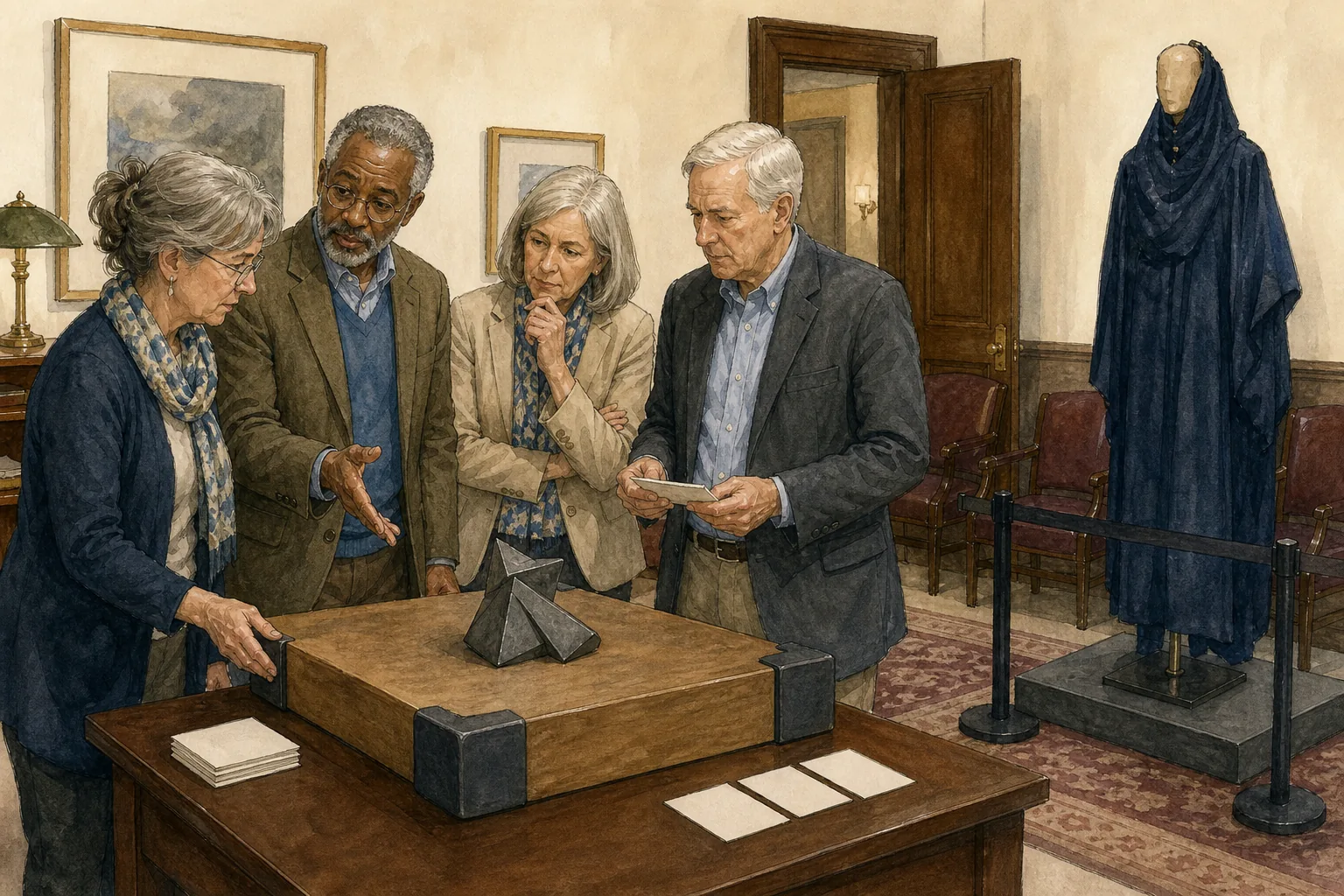
EDITORIAL ILLUSTRATIONStillness can create real strain
Fixed posture can cause pain, numbness, faintness and falls. Stable low surfaces, immediate position changes and ordinary breaks matter more than preserving an illusion.
Illustration created using generative AI; not documentary evidence.
Costume, paint and sensory access
Check body paint, adhesives, masks, wigs and rigid costume for allergens, ventilation, vision, hearing, heat and quick removal. Do not paint over broken skin.
Offer seated, short-duration, verbal, digital and non-costume forms. A convincing illusion is never more important than breathing, communication or sensory regulation.
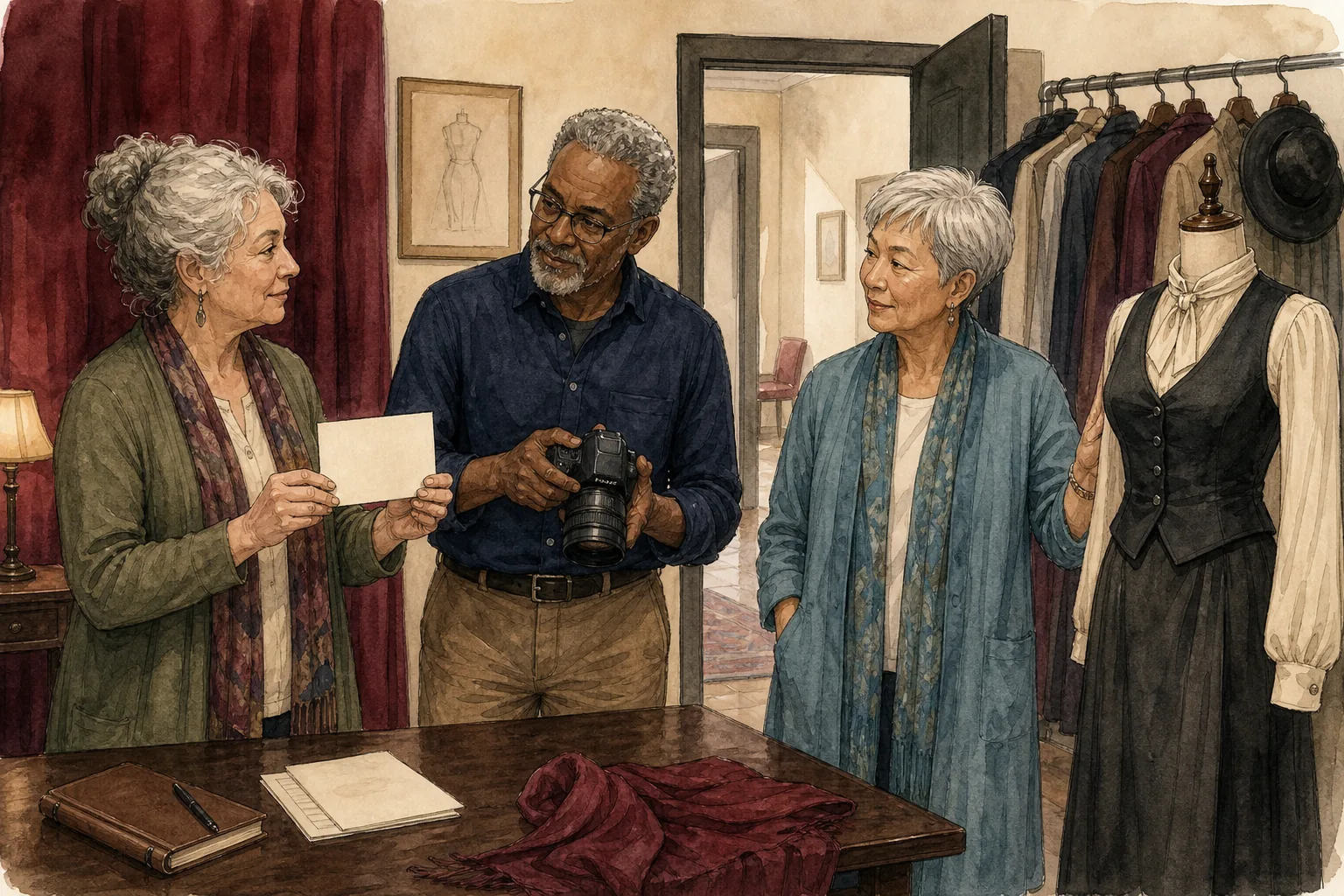
EDITORIAL ILLUSTRATIONCostume and images need separate consent
Agree paint, masks, pose, audience and photography individually. Ventilation, sensory access, quick removal and privacy remain active throughout a statue-like performance.
Illustration created using generative AI; not documentary evidence.
Evidence and clinical distinction
Direct research on agalmatophilia is sparse and historically clinical. It cannot establish prevalence, causes or a standard relationship to dollification or object sexuality.
Attraction to an object or consensual adult performance is not a disorder by itself. Distress, impairment, serious risk, non-consent and unlawful conduct remain the relevant concerns.
Non-graphic examples
What the umbrella may include
Viewing sculpture without touching it.
Using a seated adult mannequin pose.
Building regular movement breaks into stillness.
Using a verbal stop signal despite statue role-play.
Testing body paint on a small area before costume use.
Prepare for an appointment
Questions you could ask a professional
What information would help you understand my question?
What are the realistic options and uncertainties?
How can disability, communication or privacy needs be accommodated?
When should the situation be reviewed again?
These prompts do not replace assessment and do not imply that every reader needs professional care.
Continue learning
Take the next step from definition to context.
Continue with independent guidance connecting statue and mannequin interest to evidence, consent, safety, uncertainty and practical decisions.