A tickling fetish is an adult interest in giving, receiving or anticipating tickling. The appeal may be the touch itself, suspense, laughter, playful loss of composure or an agreed power dynamic.
 The UK Kink GuideEvidence-led glossary
 Back to the glossarySensation & activityIn plain English Words in context A non-graphic adult example What not to assume
Tickling fetish
Also known as knismolagnia · tickle play
An erotic or intensely pleasurable focus on giving, receiving or anticipating tickling. It may involve sensation, loss of composure or power exchange; involuntary laughter is not proof that someone wishes to continue.
Start here
New to this term?
Knismesis is a research term often used for light, surface tickling; gargalesis refers to stronger laughter-producing tickling. Knismolagnia is a less common label for erotic tickling interest. These words describe experiences, not consent signals.
Two adults might agree that brief tickling is part of playful role-play and use a clear spoken or non-verbal stop signal. Another person may laugh when tickled yet dislike the experience entirely.
Laughter, squirming and reflexive movement do not prove enjoyment or permission to continue. A fetish interest is not automatically a disorder, and research on tickle responses cannot establish the prevalence or cause of erotic tickling interest. Breathing difficulty, panic, pain or inability to communicate are reasons to stop, not part of a presumed script.
Sources and evidence type
Manual claim and limitation notes are shown where an individual source audit is complete. Other evidence-type labels are a publisher aid awaiting source-by-source confirmation.
Dagher et al. (2024), tickle-fetish surveyResearch study
- Source design
- Peer-reviewed research or review
- What it can support
- The specific population, measures and findings reported by the paper.
- Important limitation
- It cannot automatically establish UK prevalence, causation, diagnosis, consent or an individual outcome. Check recruitment, definitions and study design.
Kamiloğlu et al. (2024), tickling-induced laughter studyResearch study
- Source design
- Peer-reviewed research or review
- What it can support
- The specific population, measures and findings reported by the paper.
- Important limitation
- It cannot automatically establish UK prevalence, causation, diagnosis, consent or an individual outcome. Check recruitment, definitions and study design.
Westermann et al. (2022), laughter and speech studyResearch study
- Source design
- Peer-reviewed research or review
- What it can support
- The specific population, measures and findings reported by the paper.
- Important limitation
- It cannot automatically establish UK prevalence, causation, diagnosis, consent or an individual outcome. Check recruitment, definitions and study design.
Dunkley & Brotto (2020), BDSM consent reviewResearch study
- Source design
- Peer-reviewed research or review
- What it can support
- The specific population, measures and findings reported by the paper.
- Important limitation
- It cannot automatically establish UK prevalence, causation, diagnosis, consent or an individual outcome. Check recruitment, definitions and study design.
Sexual Offences Act 2003, section 74Law or regulator
- Source design
- Primary legislation, prosecutorial or regulator guidance
- What it can support
- The legal provision or official regulatory position for the jurisdiction and date stated.
- Important limitation
- It is not fact-specific legal advice. Commencement, amendments, jurisdiction and case law may affect application.
WHO ICD-11 clinical requirements (2024)Clinical guideline
- Source design
- Current public-health or clinical guidance
- What it can support
- Service pathways, health definitions and recommended public-health or clinical actions within its stated scope.
- Important limitation
- General guidance cannot assess an individual’s symptoms, exposure, medicine, contraindications or urgency.
Sensation & activity
Illustration created using generative AI; not documentary evidence.
In brief
Laughter is a bodily response, not a consent signal.
Tickling fetish, sometimes called knismolagnia or tickle play, describes an adult interest in giving, receiving or anticipating tickling. The focus may be touch, laughter, suspense, loss of composure or negotiated power. Because laughter and movement can be involuntary, neither is evidence that a person wants the activity to continue.
An emerging evidence base
Dagher and colleagues' 2024 survey is one of the first studies focused specifically on tickle fetishism. It documents varied roles and meanings in a self-selected online sample, but cannot establish population prevalence, causation or a standard experience.
Laboratory studies by Kamiloğlu and colleagues and by Westermann and colleagues show that tickling-induced laughter has distinctive, partly involuntary qualities and can interfere with speech. Those findings concern response mechanisms, not permission or enjoyment in an adult scene.

Early tickle-fetish research uses self-selected samples, while laboratory laughter studies examine bodily response. Neither can determine consent or enjoyment for an individual adult.
Illustration created using generative AI; not documentary evidence.- Status
- Detailed editorial draft
- Publisher
- The UK Kink Guide
- Reviewed
- Structured draft present; individual review date not recorded
- Evidence
- 6 cited sources · types labelled below
- Jurisdiction
- UK-focused general education
Read the rest: evidence, law, safety and sources
Gentle surface stimulation sometimes described in research as knismesis.
Stronger social touch often called gargalesis; laughter can be involuntary.
Adult erotic or intensely pleasurable interest in tickling, anticipation or related symbolism.
Touch continued after refusal or withdrawal is not play, regardless of laughter.
Touch, objects and anticipation
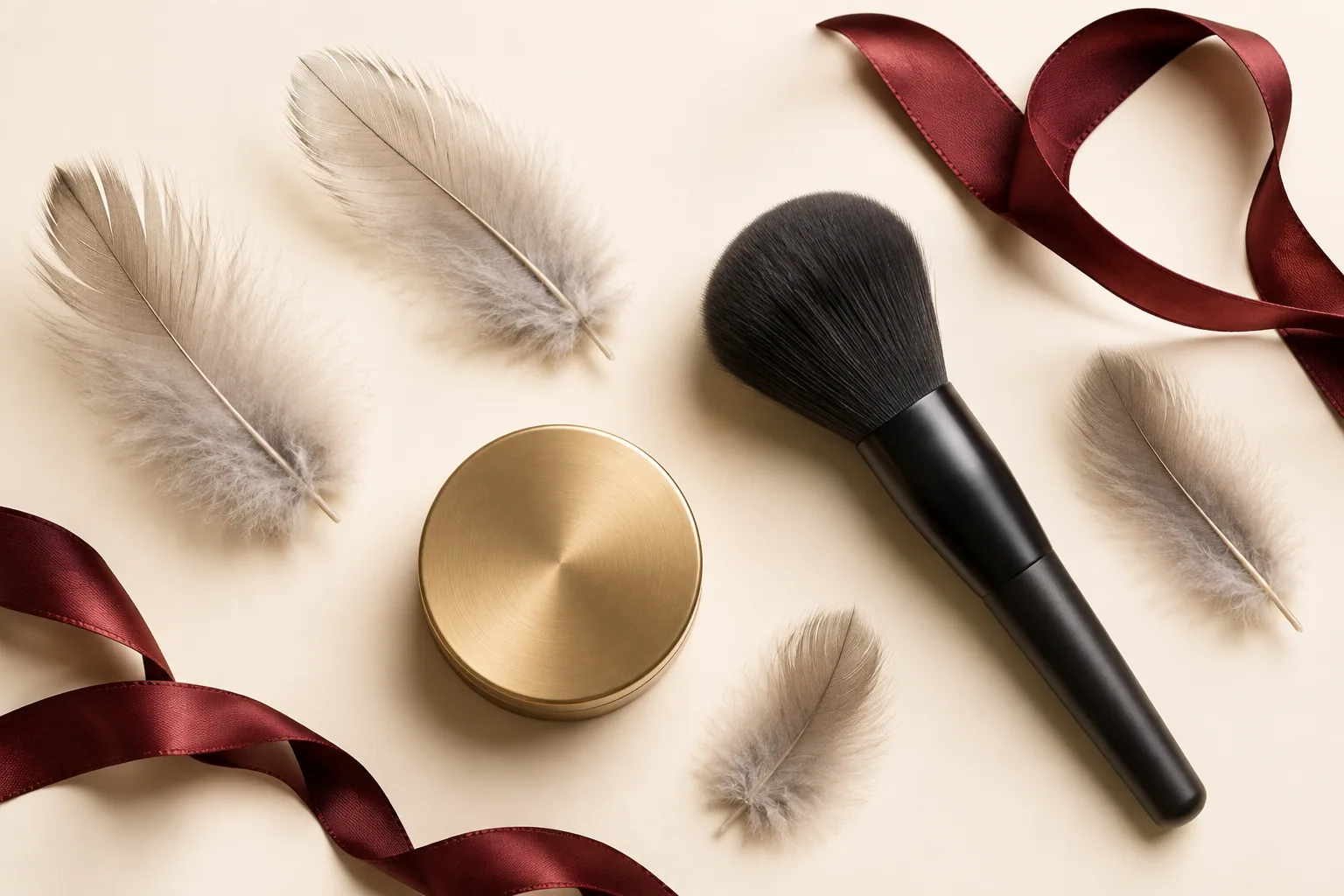
Possible non-graphic cues include an unoccupied feather, soft brush, fabric tassel, timer, illustrated laughter waveform, boundary card or costume glove. For some adults the object matters less than suspense, predictable rhythm, surprise or an agreed role.
Feathers and brushes are cultural symbols rather than reliable descriptions of intensity. Skin sensitivity, pressure, repetition, body area and a person's emotional response can change the experience, and similar-looking objects are not interchangeable.

Feathers and brushes are cultural cues rather than reliable measures of sensation. Pressure, repetition, body area and emotional response can change the experience.
Illustration created using generative AI; not documentary evidence.Consent when laughter interrupts speech
Consent must cover tickling specifically, including areas, duration, intensity and accessible ways to stop. Because laughter can interrupt speech and movement can be reflexive, a person should not have to produce a perfectly clear verbal signal before another adult responds to distress or withdrawal.
Restraint or sensory reduction can make stopping harder and adds risks beyond tickling itself. Silence, laughter, squirming, freezing or inability to speak must never be interpreted as continuing consent.
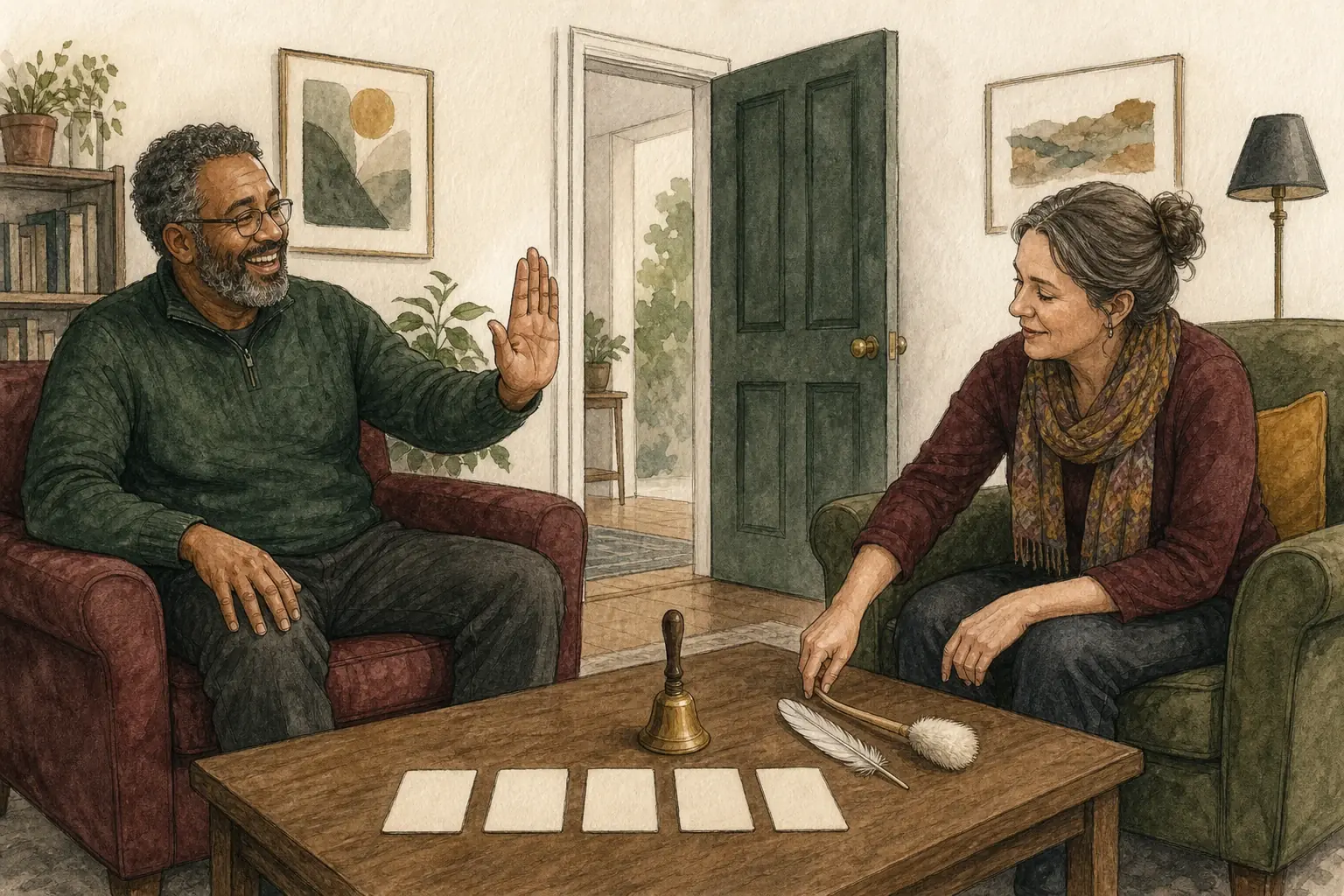
Laughter and movement can be involuntary and may interrupt speech. An accessible stop, distress or uncertainty requires a response without waiting for a perfect verbal signal.
Illustration created using generative AI; not documentary evidence.Clinical and legal distinction
WHO guidance does not make an unconventional consensual-adult interest a paraphilic disorder by default. Clinical concern depends on marked distress, significant impairment, serious risk or non-consent; liking tickling or laughter is not diagnostic evidence.
UK consent law requires agreement by choice with freedom and capacity. Previous laughter, a relationship or earlier participation does not create permanent permission, and unwanted touching may be unlawful depending on the facts and jurisdiction.
Non-graphic examples
What the umbrella may include
- An adult enjoying the anticipation suggested by an unoccupied feather or brush.
- Two adults agreeing a short tickling scene with ordinary words and an accessible signal.
- Preferring the sound of laughter or playful suspense rather than intense touch.
- Keeping restraint entirely outside the activity because communication is easier without it.
- Stopping when laughter interferes with speech instead of treating laughter as permission.
Prepare for an appointment
Questions you could ask a professional
- What information would help you understand my question?
- What are the realistic options and uncertainties?
- How can disability, communication or privacy needs be accommodated?
- When should the situation be reviewed again?
These prompts do not replace assessment and do not imply that every reader needs professional care.
Continue learning
Take the next step from definition to context.
Continue with independent guidance connecting tickling fetish to evidence, consent, safety, uncertainty and practical decisions.
What an adult tickling interest can mean, why laughter is not consent, and how to recognise a stop or distress without relying on speech.
Read the full guideOptional product education
Check materials, fit and care independently.
Some product guides include a separate, disclosed optional retailer box. A term alone does not make a product suitable or safe for a person.
Read the criteria before deciding whether to shop.
Read the full guide