A consensual adult activity involving standing or stepping on another person's body, sometimes associated with pressure, footwear, worship or power exchange.
Sources and evidence type
Manual claim and limitation notes are shown where an individual source audit is complete. Other evidence-type labels are a publisher aid awaiting source-by-source confirmation.
NHS: broken or bruised ribsClinical guideline
Source design
Current public-health or clinical guidance
What it can support
Service pathways, health definitions and recommended public-health or clinical actions within its stated scope.
Important limitation
General guidance cannot assess an individual’s symptoms, exposure, medicine, contraindications or urgency.
Illustration created using generative AI; not documentary evidence.
In brief
Body weight can cause hidden injury, so this is not a beginner pressure exercise.
Trampling concentrates body weight through feet or footwear and can injure skin, nerves, joints, ribs, the spine or internal organs. Risk varies with anatomy, health, surface, balance, footwear, force and duration, and visual control cannot reliably show what tissue is tolerating. This entry defines the term and supports informed refusal; it deliberately does not teach technique or identify supposedly safe body targets.
Consent and risk communication
Name the activity directly and discuss health conditions, mobility, pain, footwear, stopping and emergency response. Consent to foot worship, domination or lying down does not include standing on the body.
A participant must be able to stop immediately and must never be immobilised so they cannot signal or move. Intoxication and impaired sensation make meaningful monitoring less reliable.
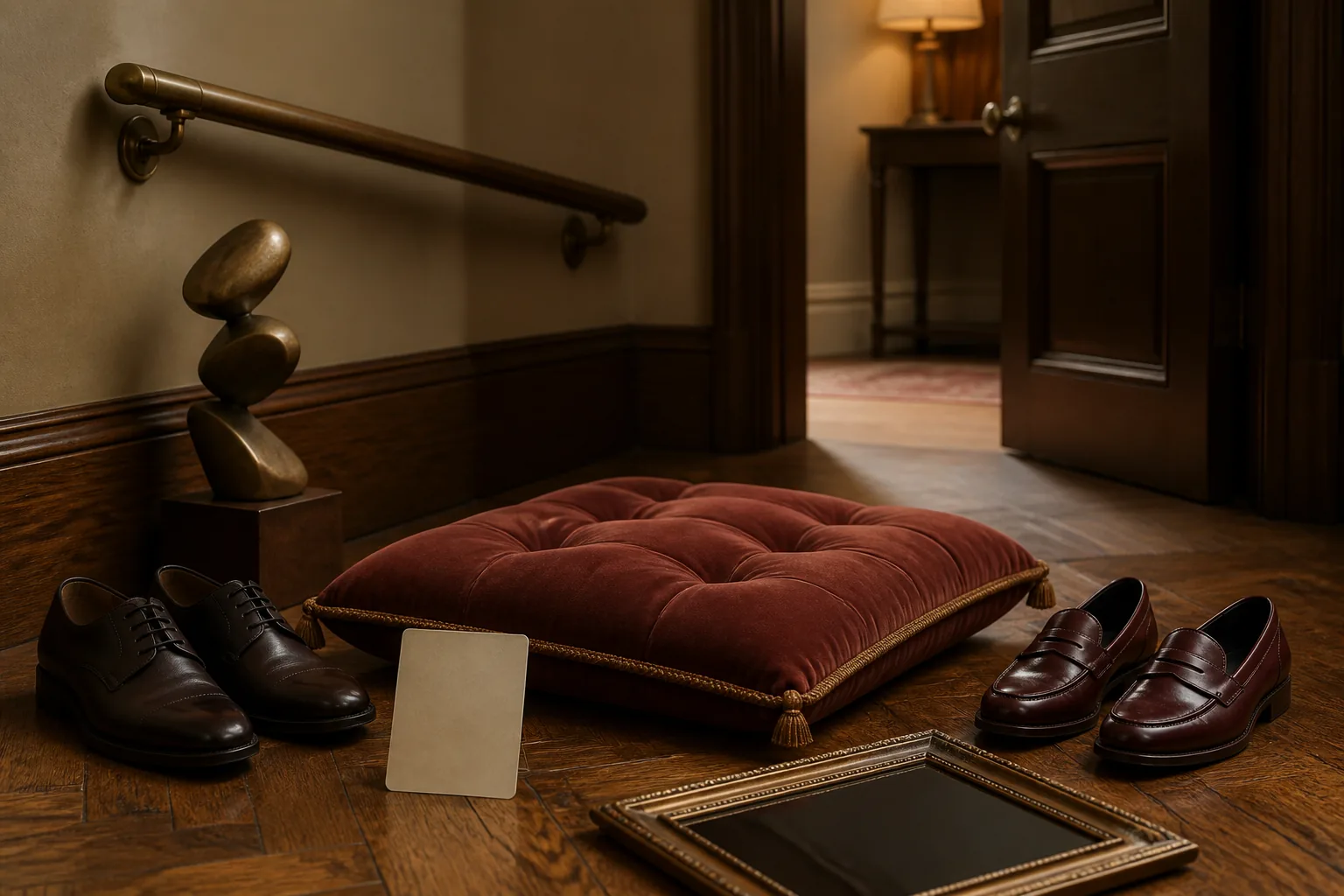
EDITORIAL ILLUSTRATIONName the activity and its risks
Consent to foot worship, domination or lying down does not include standing on a body. Health, stopping and emergency response require separate discussion.
Illustration created using generative AI; not documentary evidence.
Status
Detailed editorial draft
Publisher
The UK Kink Guide
Reviewed
Structured draft present; individual review date not recorded
Evidence
3 cited sources · types labelled below
Jurisdiction
UK-focused general education
Read the rest: evidence, law, safety and sources
Trampling
Standing or stepping on a person's body, creating concentrated load and fall risk.
Foot worship
Consensual attention to feet that need not involve weight-bearing or pressure.
Stomping fantasy
Imagined or performed imagery that can be represented without real force.
Massage or therapeutic pressure
A separate practice with clinical or wellbeing aims; it does not validate trampling methods.
Load, balance and hidden injury
Small contact areas and hard heels can concentrate force, while loss of balance can turn a planned load into an uncontrolled fall. Chest, abdomen, neck, spine and joints contain structures vulnerable to serious injury.
This card does not designate safe zones, loads or durations. Body size, fitness or previous tolerance cannot guarantee safety on another occasion.
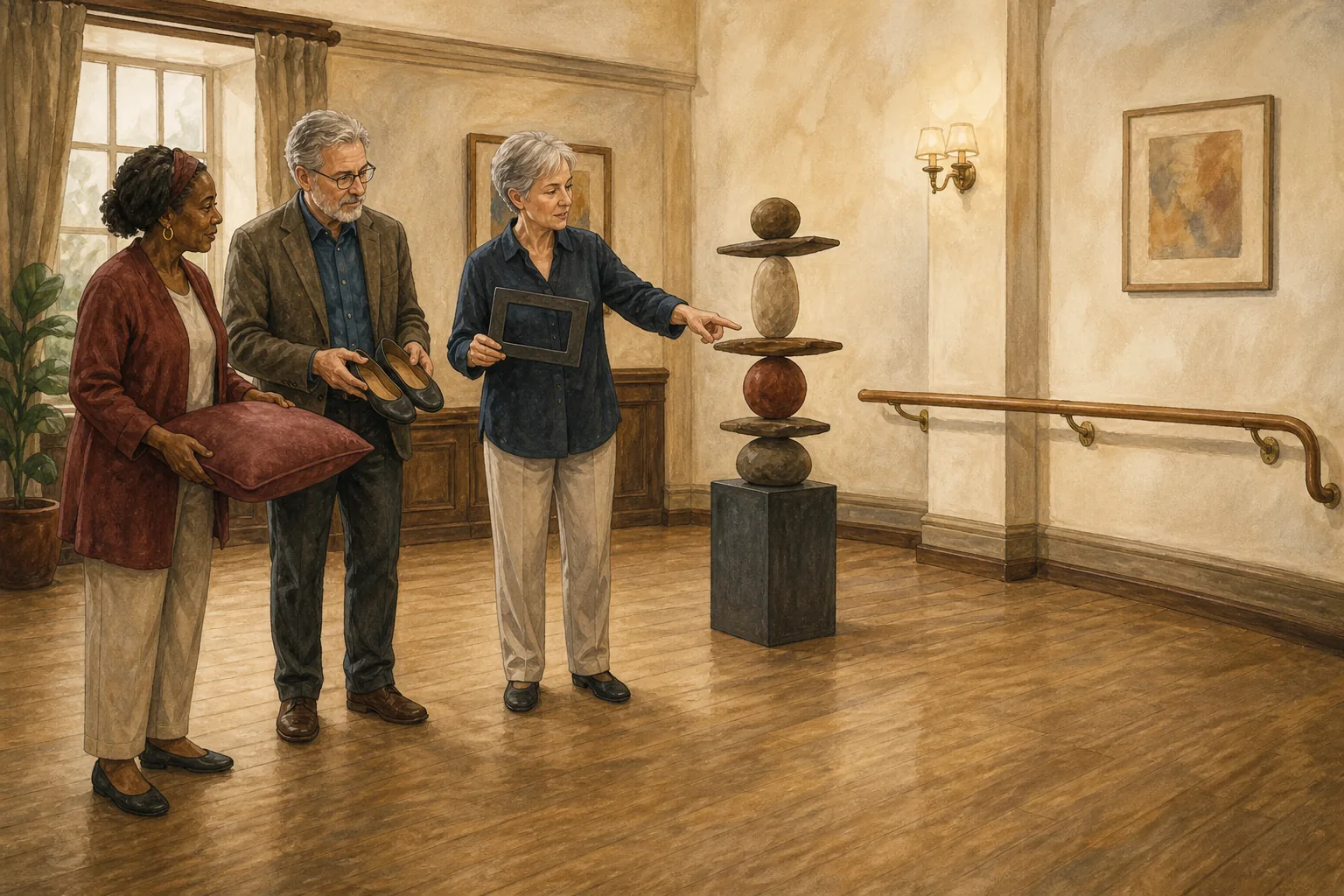
EDITORIAL ILLUSTRATIONLoad and balance are unpredictable
Footwear can concentrate force and a balance loss can create an uncontrolled fall. This card does not designate safe targets, loads or durations.
Illustration created using generative AI; not documentary evidence.
Health exclusions and warning signs
Bone fragility, anticoagulants, pregnancy, recent surgery, implanted devices, hernia, circulatory or neurological conditions and reduced sensation can increase or conceal harm. Individual clinical advice is more appropriate than community rules.
Stop for pain, numbness, weakness, breathing difficulty, chest or abdominal symptoms, dizziness or visible injury. Severe symptoms, collapse or worsening pain require urgent medical assessment.
Lower-risk representation and evidence
Photography, perspective, sound design, acting or non-weight-bearing foot imagery can represent the theme without placing body weight on a person.
There is little direct research establishing trampling risk thresholds. General crush, fall and musculoskeletal evidence cannot produce a universal safe technique.
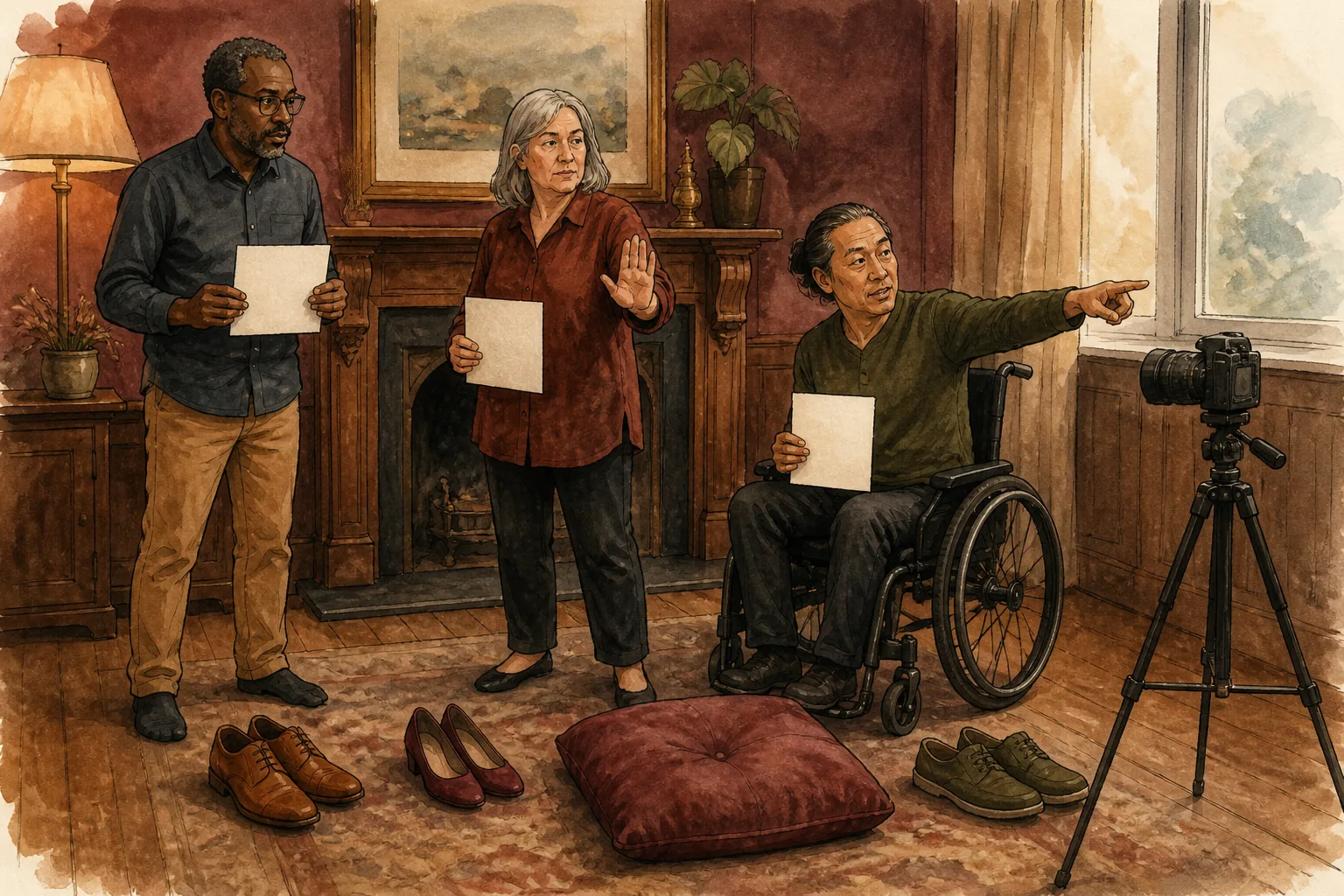
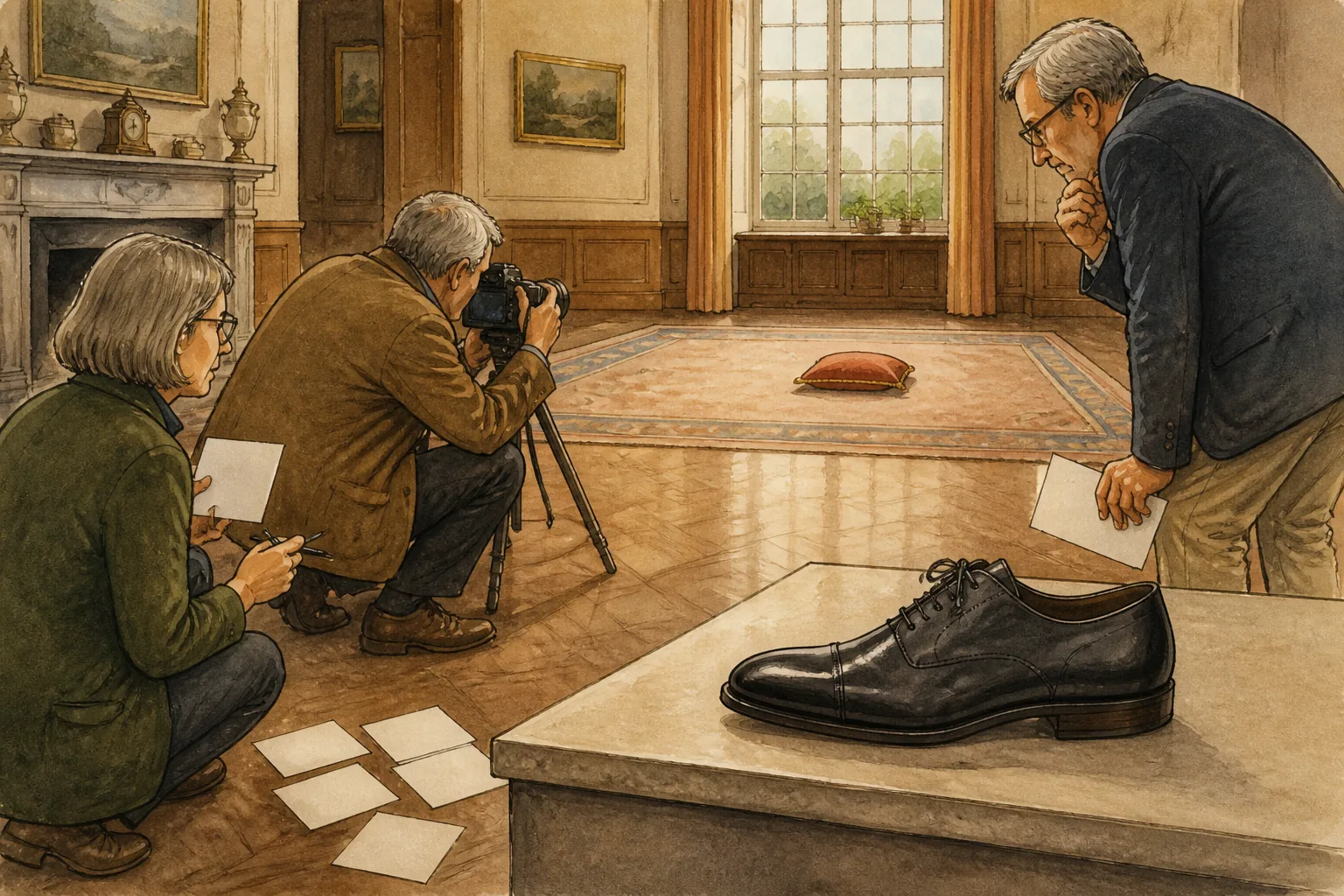
EDITORIAL ILLUSTRATIONPerspective can replace body weight
Photography, acting and non-weight-bearing imagery can represent the theme without standing on a person. Sparse evidence cannot produce a universal safe technique.
Illustration created using generative AI; not documentary evidence.
Non-graphic examples
What the umbrella may include
Using camera perspective to imply standing without contact.
Keeping footwear beside rather than on a partner.
Declining because of an implanted device.
Stopping immediately after numbness.
Seeking urgent help after breathing difficulty or severe pain.
Prepare for an appointment
Questions you could ask a professional
What information would help you understand my question?
What are the realistic options and uncertainties?
How can disability, communication or privacy needs be accommodated?
When should the situation be reviewed again?
These prompts do not replace assessment and do not imply that every reader needs professional care.
Continue learning
Take the next step from definition to context.
Continue with independent guidance connecting trampling to evidence, consent, safety, uncertainty and practical decisions.