Fit and pressure
Check adjustability around the head, nose and eye area. A one-size description does not establish comfort or suitability.
 The UK Kink GuideIndependent product discovery
Product discovery / Sensory play
Compare fit, light blocking, pressure, removal, communication and care without treating sensory restriction as risk-free. This guide names no preferred company or individual product.
Independent education · optional affiliate linksAn optional Uberkinky category box below is clearly disclosed and separate from the guidance. It is not a product recommendation. No on-site affiliate tracking is added. This is publisher-reviewed category education; no external approval or individual-product certification is claimed.
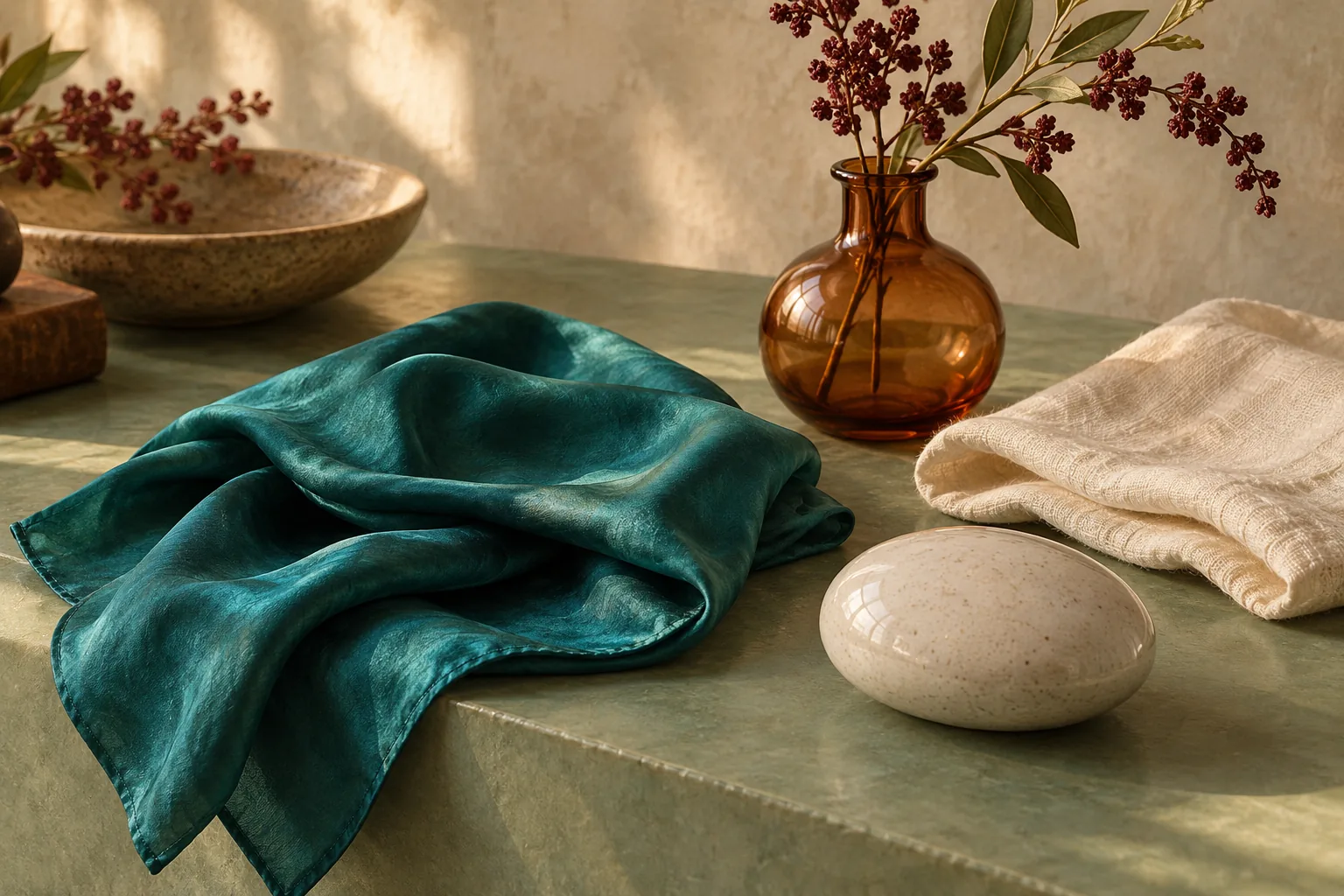
Start here
Choose the least restrictive design that meets the agreed purpose, can be removed promptly and preserves reliable communication.
Buying checklist
Check adjustability around the head, nose and eye area. A one-size description does not establish comfort or suitability.
Confirm that the fastening can be found and released quickly by the people involved, including with limited grip or vision.
Look for fibre or material details, edge finishing, padding and any known skin sensitivities.
Agree a clear stop method before use and do not rely only on visual signals when sight is restricted.
Consider balance, mobility, hearing and the surroundings. Restricting one sense can change how a person navigates space.
Follow the maker’s cleaning and drying instructions, especially for fabric, foam, elastic and shared items.
Compare approaches
Often light and simple, though shaping and light blocking vary.
Check: Seams, elastic pressure, nose fit and wash instructions.
May reduce light gaps but can add heat, pressure and more complex drying.
Check: Padding construction, breathability, closure and full drying time.
May keep material away from the eyelids but depend more heavily on face shape and strap position.
Check: Edge contact, weight, adjustment range and prompt removal.
Choose a blindfold by adjustable fit, comfortable contact surfaces and a removal method the wearer can manage immediately. For other sensory accessories, compare the exact intended use and materials instead of assuming that a soft appearance or a gift-set label establishes suitability.
A blindfold suits only an adult who actively wants reduced visual information and can change that decision without embarrassment. Ask about glasses, hearing, balance, sensory sensitivities and communication preferences. Someone who relies on seeing a partner's face, lip-reading or visual cues may need a different approach. Consent to a blindfold is not consent to surprise contact, extra equipment or an activity that was not discussed beforehand.
Check first with an appropriate clinician if there is an eye condition, recent eye treatment, persistent facial pain or another medical concern about pressure or restricted vision. Stop for pain, distress, dizziness or difficulty communicating. A history of anxiety does not automatically exclude someone, but the person should decide what feels manageable. A GP can help with recurring symptoms; a product description cannot establish that a blindfold will be suitable for a particular condition.
Head circumference, band adjustment and the dimensions of the eye area are separate fit questions. A wide elastic strap can still fit poorly, and one-size descriptions rarely explain the adjustment range. Look at seam placement, the nose area and how the closure is reached. Compare a shaped mask with a flat fabric design by fit information rather than an unsupported claim that either gives total comfort.
Check the face fabric, lining, elastic, foam, dyes and fastening materials. Labels such as satin describe a weave or appearance rather than a full fibre list. Natural rubber may appear in elastic even when the main fabric is synthetic. For feathers, brushes or textured accessories, ask whether loose parts can detach and whether the intended contact and cleaning method are explicit. Ordinary household items are not automatically interchangeable with a specified adult accessory.
A blindfold changes the information available to the wearer. Discuss how ordinary check-ins will work and keep stopping independent of any role or performance. The education guide on blindfold play explains that consent remains specific and reversible. Photos should be a separate decision, including storage and sharing, and a blindfold does not reliably anonymise a person. Clothing, room details and other features can still identify someone.
A washable fabric mask and a padded mask with glued layers may need different cleaning methods. Follow the whole item's instructions and allow it to dry fully before enclosing it. Facial cosmetics and skin products can leave residue, so consider whether the mask can actually be cleaned after wear. Do not spray a strongly fragranced cleaner onto an item that will sit close to eyes and skin unless the manufacturer expressly permits it.
Replace a blindfold if elastic has stretched, a closure no longer holds as intended, seams rub, padding shifts or the lining deteriorates. Withdraw sensory accessories with sharp exposed parts, shedding materials or a damaged handle. A storage pouch should keep items away from dirt without crushing them. Keep cleaning products separate so a leak cannot soak the face-contact surface, and do not assume that airing an item removes residue.
Before a UK purchase, ask how the seller describes fit, cleaning and faults. The Consumer Rights Act 2015 protects satisfactory quality, accurate description and fitness for a purpose made known where reliance is reasonable. These provisions apply in England, Wales, Scotland and Northern Ireland and are in force, checked on legislation.gov.uk on 8 October 2026. Keep the advertised adjustment range if it matters to your decision.
Ordinary online cancellation generally requires notice within 14 days, followed by another 14 days to return. Qualifying sealed hygiene goods can be excluded after unsealing, but a faulty fastening or materially inaccurate description is a different issue. Regulation 28 is in force across all four UK nations, checked 8 October 2026. Read Sex-toy returns and consumer rights and use Office for Product Safety and Standards alerts to check exact product identifiers.
What blindfold is best for beginners? Look for clearly stated adjustment, comfortable contact surfaces and immediate self-removal. There is no single best fabric or shape for every face, access need or preference.
Can I wear a blindfold with glasses? Fit depends on both items and the maker's intended use. Do not assume a mask can safely accommodate glasses or press them against the face; choose another option if fit is unclear.
Is a sleep mask suitable for sensory play? A sleep mask's appearance does not answer consent, fit or removal questions. Check its instructions and condition, and avoid turning an ordinary item into equipment for an unspecified purpose.
Why is my blindfold uncomfortable? Seams, pressure, heat, elastic and materials can all affect comfort. Remove it rather than tightening or tolerating pain, and seek advice for persistent symptoms.
Do sensory accessories need cleaning? Yes, choose accessories whose care requirements are clear and manageable. Different fibres, padding and attached parts need different methods; a soft texture does not make an item hygienic.
Ask before buying
Evidence and limits
These sources support the category-level checks and signposting. They do not certify an individual product or turn general guidance into a safety guarantee.
Keep learning