Material identity
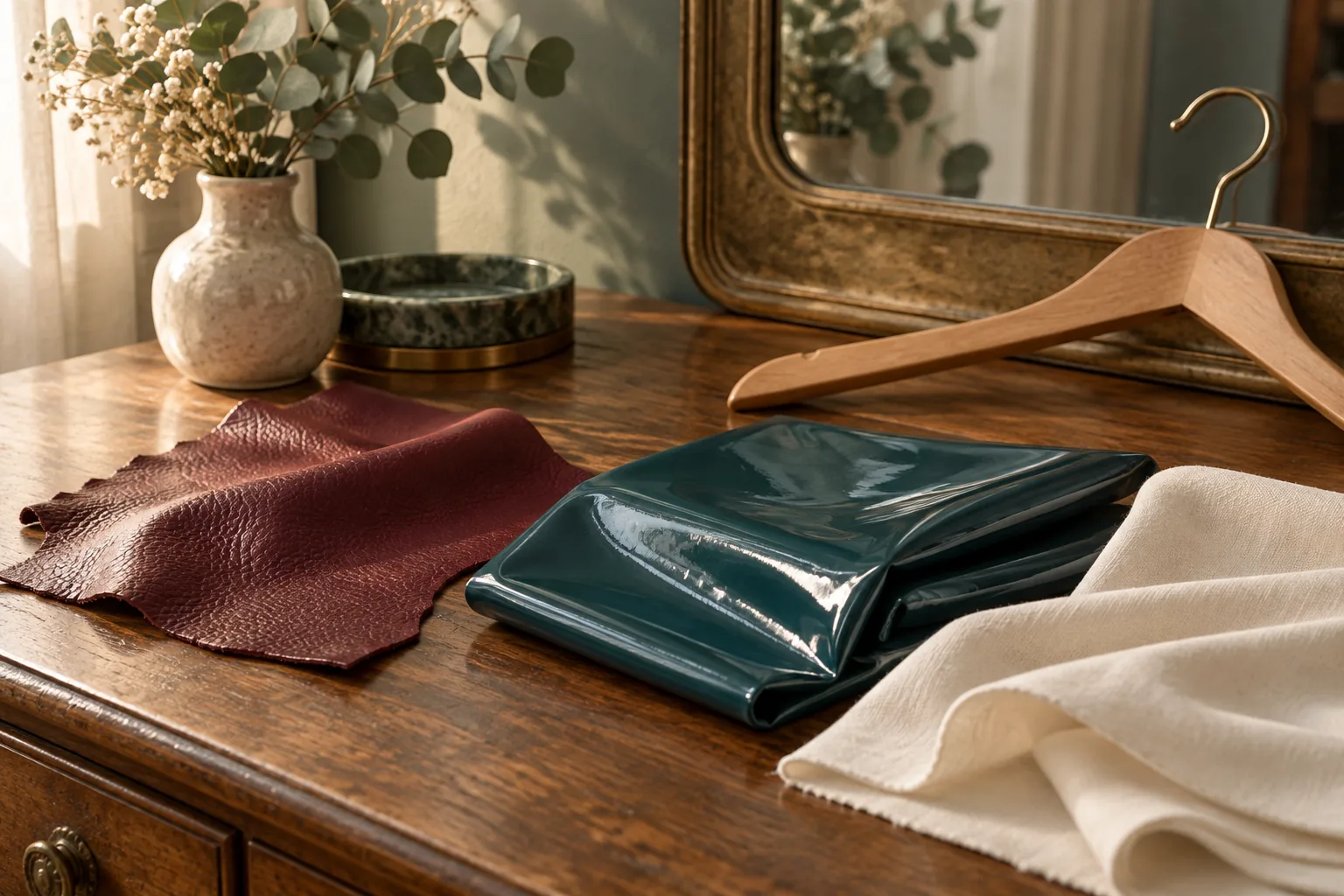
Distinguish natural rubber latex, leather, coated textile, PVC and other synthetic materials; similar appearances can require different care.
 The UK Kink GuideIndependent product discovery
Product discovery / Fetish clothing
Compare material authenticity, fit, allergy information, construction, care and repair across specialist clothing categories. This guide names no preferred company or individual product.
Independent education · optional affiliate linksAn optional Uberkinky category box below is clearly disclosed and separate from the guidance. It is not a product recommendation. No on-site affiliate tracking is added. This is publisher-reviewed category education; no external approval or individual-product certification is claimed.
Start here
Buy from measurements and a complete material description; category names and appearance do not reveal fit, allergens, coatings or care needs.
Buying checklist
Distinguish natural rubber latex, leather, coated textile, PVC and other synthetic materials; similar appearances can require different care.
Check natural rubber latex, metal, dye, tanning and care-product information. Avoid known allergens and seek urgent help for a severe reaction.
Use current product measurements, stretch direction, torso length and closure range—not only the labelled size.
Inspect seams, glued joins, zips, eyelets, boning and high-stress areas, including how repairs are handled.
Consider hand strength, reach, dressing position, assistance, heat and how quickly the garment can be removed.
Use material-specific cleaning, conditioning, drying and storage advice; one routine does not suit every category.
Compare approaches
Highly stretch-dependent and care-specific, with an important allergy distinction.
Check: Material confirmation, thickness, glued seams, dressing guidance and latex sensitivity.
Fit, finish and care vary by hide, treatment, lining and construction.
Check: Leather type, tanning or dye information, hardware, seams and conditioner compatibility.
Can provide a similar visual effect with different stretch, breathability and ageing.
Check: Fibre and coating composition, seam method, heat, cracking and wash instructions.
Use the maker’s measurements for the actual garment, not an assumed UK dress size. Dresses, catsuits and bodysuits need different checks of length, shoulder movement and fastening access. Compare your measurements with the size chart and ask about ease and adjustments before ordering. Stretch does not justify a painfully tight fit. Check whether you can remove the garment comfortably and independently; ask about assistance if that is an access need.
Natural rubber latex clothing may be sold with or without surface chlorination. Chlorination changes how the surface feels and can make dressing less sticky; it does not remove a natural rubber latex allergy or prove that the garment is safe for a particular person. Ask the maker which treatment was used and how it changes their care instructions. Do not infer treatment from shine or colour.
Unchlorinated latex often needs a manufacturer-approved dressing aid to reduce friction. Some chlorinated garments are easier to put on without one. A coating or treatment can wear or vary by maker, so follow the instructions for the actual garment. Leather, PVC and polyurethane-coated fabric have different cleaning and storage needs; none should inherit a latex routine just because the finish looks similar.
Measure the body and compare it with the garment's stated dimensions, stretch and length. Allow time to dress without pulling hard on thin sections, seams, zip ends or glued edges. Remove jewellery that could catch; keep nails and sharp hardware away from the surface. Check whether a dressing aid is specified and whether it is compatible with the garment and any barrier material involved.
A product sold as latex polish may be meant for surface shine rather than dressing. Never assume that oils, solvents, powders or fragrance are interchangeable. Ask the garment maker which aid they recommend for that exact material and treatment. If dressing requires force, causes numbness, restricts breathing or makes a closure inaccessible, stop and reassess fit. Consider dexterity, reach and the possibility of removing it without assistance.
Follow the label after each wear. If the maker permits it, rinse or wash gently with the stated cleaner and temperature, remove residue, and dry both sides fully before storage. Avoid heat, prolonged sunlight and contact with metal or coloured items if the maker warns of staining or discolouration. Never store damp garments folded tightly. Separate latex from incompatible products according to the maker's instructions.
Use only maker-approved shine or conditioning products; a silicone-based polish can affect some other materials, and an oil-based substance can damage latex barriers. Read ingredient, compatibility and patch guidance before use. The optional retailer directory remains separate from this educational page.
A loose trim, a tiny tear, a split seam and a damaged zip are different repair jobs. Ask the maker or a specialist whether the defect is repairable and which adhesive or patch is compatible; do not improvise on a stressed seam, closure or area that must release quickly. Chlorination can affect whether adhesive repair is possible, so disclose the treatment when asking a specialist. Clean and dry the item as instructed before any repair, then inspect the result before wearing.
Retire an item whose strength, fit or removal is uncertain. A neat-looking patch cannot restore an original load rating, and ordinary clothing repairs should never be treated as proof of safe restraint or load-bearing use. Photograph and document a manufacturing fault before a repair if a return or warranty may apply.
Natural rubber latex can trigger contact symptoms or severe allergic reactions. A past reaction to gloves, balloons or other latex products is a reason to seek individual clinical advice before considering latex clothing. If itching, a rash or swelling appears, remove the item and seek appropriate advice; for breathing difficulty, collapse or rapidly worsening symptoms, follow NHS emergency guidance and call 999.
A latex-look item may be synthetic but may still include latex elastic, adhesives, metal fasteners, dyes or fragrance. Check the full composition and care ingredients, especially if you have known sensitivities. A casual home patch test does not establish that a material is safe for someone with a known allergy. Choose a clearly specified alternative rather than relying on marketing words such as hypoallergenic.
Ask before buying
Evidence and limits
These sources support the category-level checks and signposting. They do not certify an individual product or turn general guidance into a safety guarantee.
Optional commercial next step
The next page is a clearly separated retailer directory. It names a retailer and links to an external shop, but contains no rankings or product endorsement.
Keep learning