A consensual adult power dynamic in which negotiated cheekiness, provocation, testing or playful resistance invites an agreed response from a brat-tamer or other partner.
Sources and evidence type
Manual claim and limitation notes are shown where an individual source audit is complete. Other evidence-type labels are a publisher aid awaiting source-by-source confirmation.
Dunkley & Brotto (2020), BDSM consent reviewResearch study
Source design
Peer-reviewed research or review
What it can support
The specific population, measures and findings reported by the paper.
Important limitation
It cannot automatically establish UK prevalence, causation, diagnosis, consent or an individual outcome. Check recruitment, definitions and study design.
The specific population, measures and findings reported by the paper.
Important limitation
It cannot automatically establish UK prevalence, causation, diagnosis, consent or an individual outcome. Check recruitment, definitions and study design.
The specific population, measures and findings reported by the paper.
Important limitation
It cannot automatically establish UK prevalence, causation, diagnosis, consent or an individual outcome. Check recruitment, definitions and study design.
Illustration created using generative AI; not documentary evidence.
In brief
Playful resistance is negotiated communication—not automatic consent to correction.
Brat is a self-chosen community role, not a licence to ignore ordinary boundaries or label someone without consent. The dynamic may revolve around banter, pursuit, playful defiance, attention or agreed consequences. The same words or behaviour outside the negotiated frame may be genuine disagreement. Participants therefore need a way to distinguish invitation from refusal and play from conflict without assuming every protest is part of the performance.
Defining the play frame
Agree which behaviours count as playful invitation, what responses are welcome, where the dynamic applies and how either person returns to ordinary conversation. Do not rely on stereotypes or tone alone.
Some people enjoy verbal sparring but not punishment; others want a pursuit or consequence structure. The role label does not specify content.
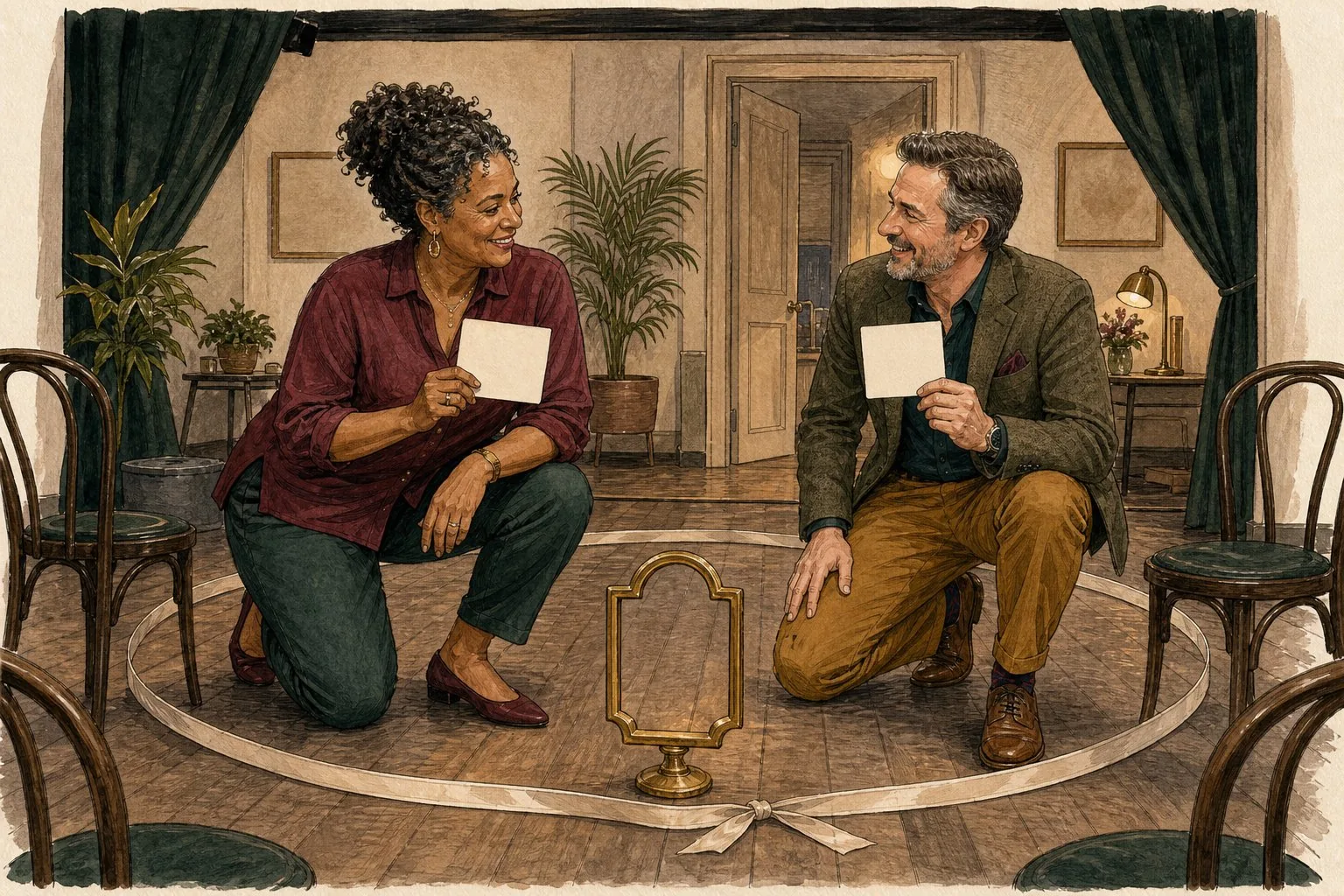
EDITORIAL ILLUSTRATIONDefine the play frame
Playful provocation can mean banter, pursuit, attention or something else entirely. The adults involved need to agree what invites a response and how they return to ordinary conversation.
Illustration created using generative AI; not documentary evidence.
Status
Detailed editorial draft
Publisher
The UK Kink Guide
Reviewed
Structured draft present; individual review date not recorded
Evidence
3 cited sources · types labelled below
Jurisdiction
UK-focused general education
Read the rest: evidence, law, safety and sources
Brat role
Consensual playful provocation or defiance within an agreed dynamic.
Brat-tamer role
A partner who enjoys responding within negotiated limits; the title creates no authority outside scope.
Boundary testing
Trying to discover whether a stated limit will be enforced; this is unsafe when not explicitly part of the agreement.
Real disagreement
A person's authentic objection or conflict, which must not be eroticised or treated as role-play without confirmation.
Consent and ambiguity
Use a clear stop or out-of-role phrase and honour ordinary refusals. If a cue is ambiguous, pause and ask rather than assuming resistance is performative.
Consent norms research shows context matters but does not make implicit consent sufficient for a high-ambiguity dynamic. New partners need especially explicit negotiation.
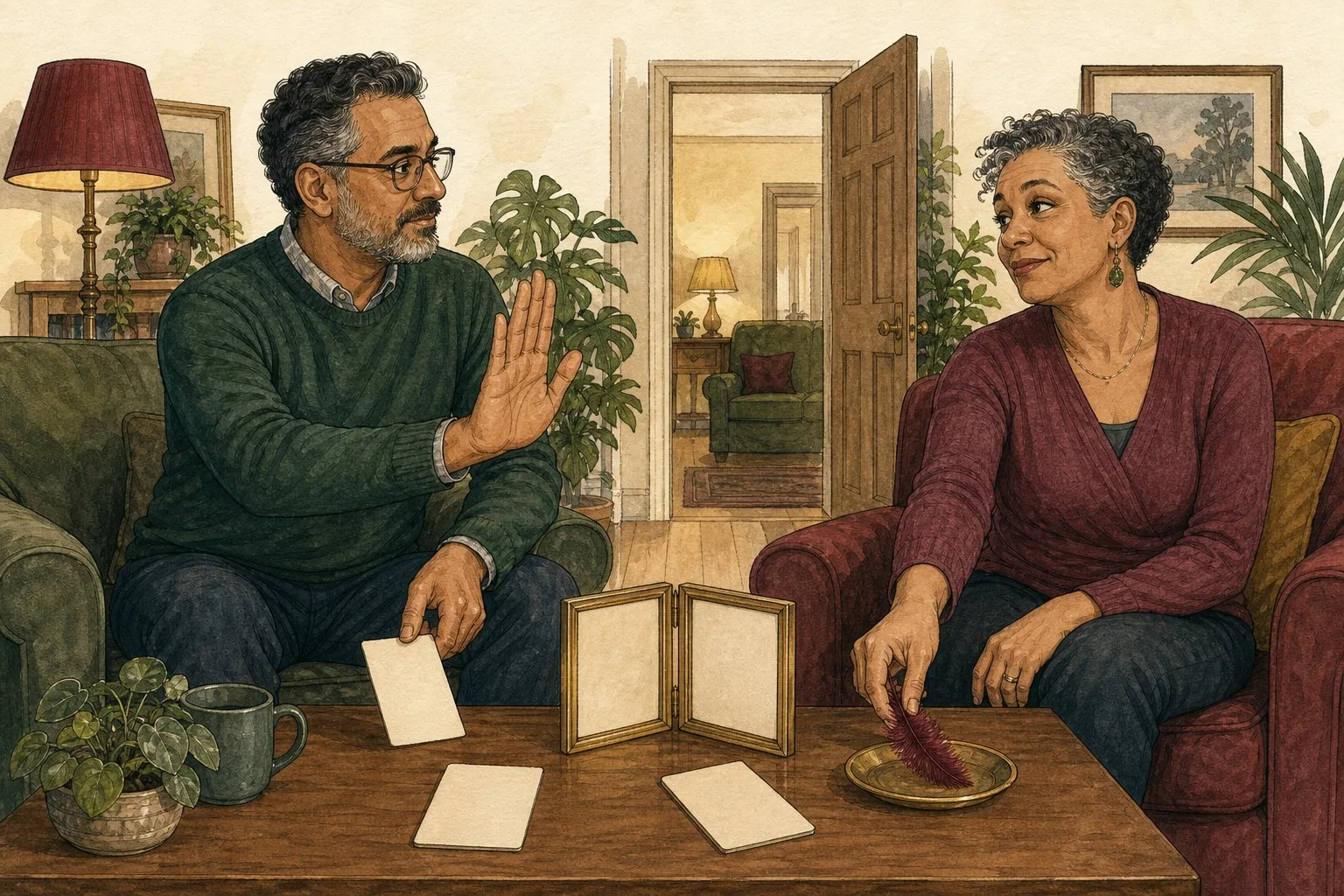
EDITORIAL ILLUSTRATIONAmbiguity calls for a pause
The same words can be playful or genuine disagreement. An out-of-role check protects against treating every refusal, change of tone or expression of distress as part of the performance.
Illustration created using generative AI; not documentary evidence.
Consequences and emotional safety
Agreed consequences should remain proportionate, bounded and unrelated to essentials such as food, sleep, medication, housing, money or social contact.
Avoid using a kink role to dismiss anger, distress or relationship concerns. Repair real conflict outside the performance and without compelled submission.
Identity, stigma and evidence
Brat can be playful, affectionate or identity-relevant and is not equivalent to immaturity, manipulation or poor consent practice. Gender and age-coded stereotypes should not be assumed.
There is little direct empirical research on brat dynamics. Broader BDSM consent studies support explicit negotiation and context but cannot establish one definition or safe response pattern.
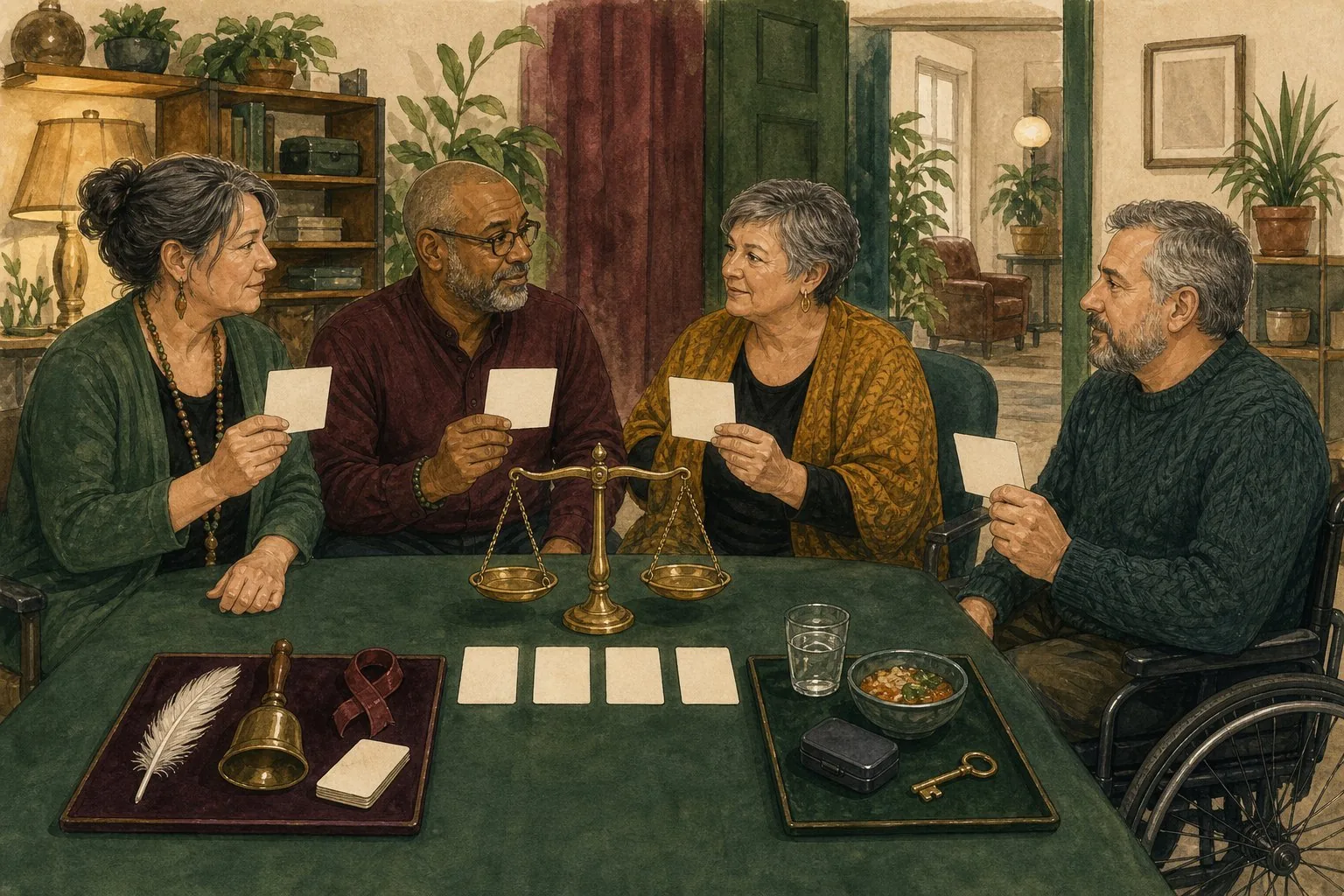
EDITORIAL ILLUSTRATIONKeep consequences bounded
Direct evidence on brat dynamics is sparse. Agreed consequences should remain separate from food, sleep, medication, housing, money, social contact and the handling of real relationship conflict.
Illustration created using generative AI; not documentary evidence.
Non-graphic examples
What the umbrella may include
Agreeing that a particular teasing phrase invites playful pursuit.
Using out-of-role to raise a genuine concern.
Enjoying banter without any physical consequence.
Pausing when laughter changes to uncertainty.
Declining the brat label even when enjoying playful defiance.
Prepare for an appointment
Questions you could ask a professional
What information would help you understand my question?
What are the realistic options and uncertainties?
How can disability, communication or privacy needs be accommodated?
When should the situation be reviewed again?
These prompts do not replace assessment and do not imply that every reader needs professional care.
Continue learning
Take the next step from definition to context.
Continue with independent guidance connecting brat and brat-tamer dynamic to evidence, consent, safety, uncertainty and practical decisions.