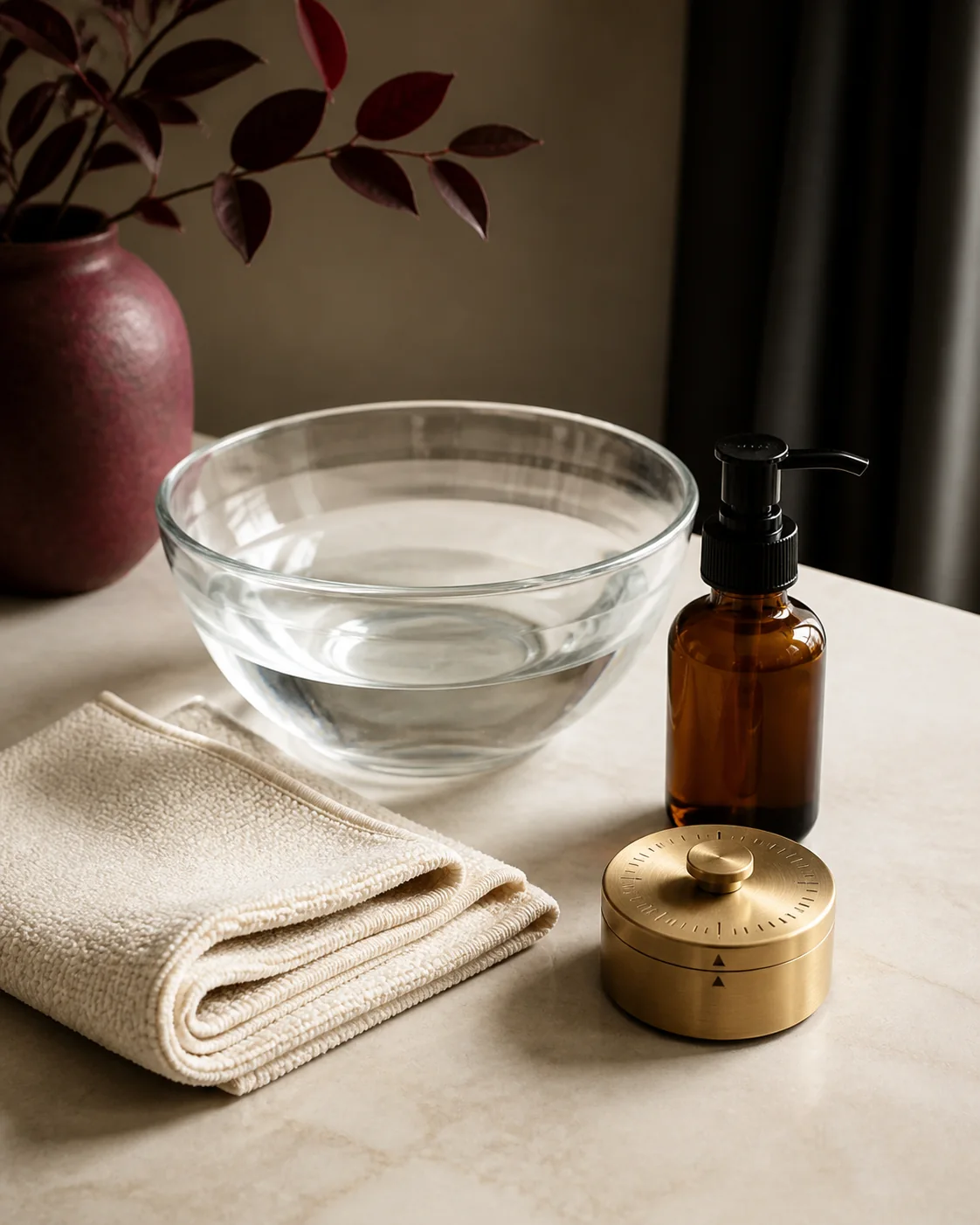
Cleaning physically removes soil and many microorganisms; disinfection uses a validated process to inactivate specified microorganisms on an inanimate surface. Neither term automatically means sterilisation.
Sources and evidence type
Manual claim and limitation notes are shown where an individual source audit is complete. Other evidence-type labels are a publisher aid awaiting source-by-source confirmation.
CDC: definitions of cleaning, disinfection and sterilisationCommunity context
Source design
Contextual or community source
What it can support
Terminology, reported practice or community context within the source’s own setting.
Important limitation
Community usage is not universal and does not establish safety, prevalence, clinical benefit or legal permission.
Illustration created using generative AI; not documentary evidence.
In brief
Cleaning, disinfection and sterilisation are different endpoints with different evidence requirements.
Effective reprocessing depends on product material, seams, electronics, contamination, cleaner or disinfectant, concentration, contact time, temperature, rinsing and drying. Cleaning normally comes first because organic material can reduce disinfectant performance. A product described as antibacterial or toy cleaner may not carry evidence for a relevant disinfection claim.
Follow the product pathway
Remove batteries or disconnect power only as instructed, disassemble permitted parts and clean before disinfection. Reach seams and textured areas without immersing electronics beyond their water rating.
Use the manufacturer's compatible method. Boiling, bleach, alcohol, dishwashers and UV devices are not interchangeable and may damage materials or leave unsafe residues.
Status
Detailed editorial draft
Publisher
The UK Kink Guide
Reviewed
Structured draft present; individual review date not recorded
Evidence
3 cited sources · types labelled below
Jurisdiction
UK-focused general education
Read the rest: evidence, law, safety and sources
Cleaning
Physical removal of visible soil and contaminants using compatible water, detergent and action.
Disinfection
Inactivation of many or all specified pathogenic microorganisms on an object, generally not all spores.
Sterilisation
Validated elimination of all forms of microbial life, an endpoint most consumer products cannot achieve at home.
Antisepsis
Use of suitable antimicrobial products on living tissue; surface disinfectants may injure skin or mucosa.
Disinfectant conditions
A disinfectant needs the correct surface, dilution, full wet contact time and temperature. Mixing products can create toxic gases or deactivate ingredients.
Rinse where instructed and dry fully before storage. A fragranced spray or quick wipe is not evidence that the required contact conditions were met.
Sharing and infection
Avoid sharing when reliable cleaning is not possible. A new compatible condom for each person or body site can reduce cross-contamination but does not cover every surface or survive every use.
After an STI, blood exposure or infection, seek sexual-health and manufacturer advice about testing, barriers, replacement and whether the item can be reprocessed adequately.
Condition, storage and claims
Inspect for cracks, tackiness, corrosion, trapped moisture, odour change and damaged seals. Replace products whose surfaces or internals cannot be cleaned as intended.
Store clean and dry, separated from reactive materials. Sterile, medical grade and antimicrobial claims require defined evidence and do not remove routine cleaning requirements.
Non-graphic examples
What the umbrella may include
Cleaning visible soil before applying a compatible disinfectant.
Timing the full label contact period.
Not immersing a splash-resistant motor.
Changing a condom between users and body sites.
Replacing an item with an inaccessible contaminated seam.
Prepare for an appointment
Questions you could ask a professional
What information would help you understand my question?
What are the realistic options and uncertainties?
How can disability, communication or privacy needs be accommodated?
When should the situation be reviewed again?
These prompts do not replace assessment and do not imply that every reader needs professional care.
Continue learning
Take the next step from definition to context.
Continue with independent guidance connecting cleaning and disinfection to evidence, consent, safety, uncertainty and practical decisions.