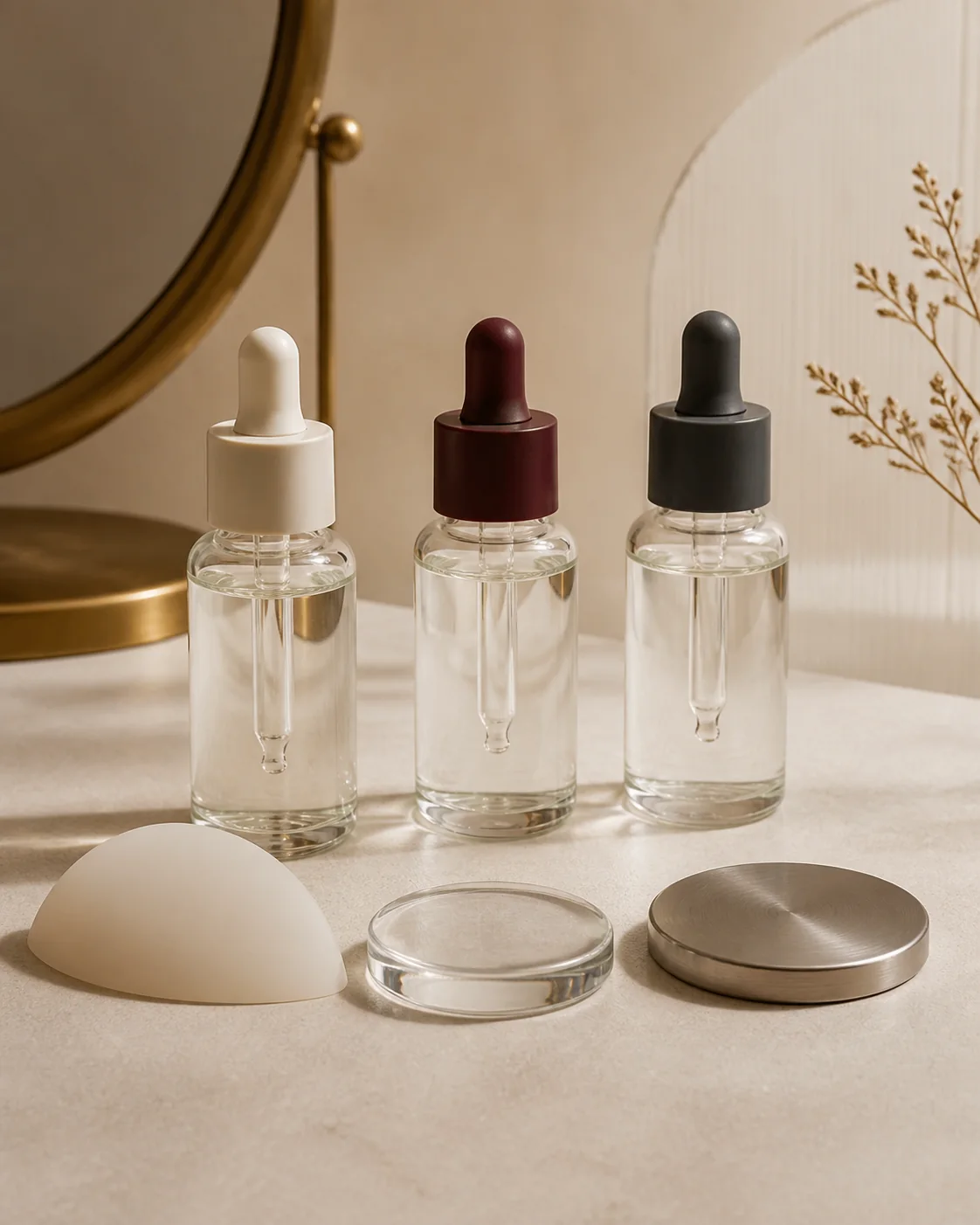
Products used to reduce friction. Water-, silicone- and oil-based formulations differ in feel, persistence and compatibility with barriers, devices and bodies.
Sources and evidence type
Manual claim and limitation notes are shown where an individual source audit is complete. Other evidence-type labels are a publisher aid awaiting source-by-source confirmation.
NHS: condoms and lubricant compatibilityClinical guideline
Source design
Current public-health or clinical guidance
What it can support
Service pathways, health definitions and recommended public-health or clinical actions within its stated scope.
Important limitation
General guidance cannot assess an individual’s symptoms, exposure, medicine, contraindications or urgency.
Illustration created using generative AI; not documentary evidence.
In brief
Reduce friction while checking body, barrier and device compatibility.
Lubricant can improve comfort and reduce friction-related irritation or condom breakage, but more is not automatically safer and no product fixes pain that needs assessment. Read both the lubricant and barrier or device instructions: compatibility depends on materials, not marketing labels alone.
Barrier compatibility
NHS guidance says not to use oil-based lubricant with latex condoms; water- or silicone-based products are appropriate. Polyisoprene is also vulnerable to oils, while other condom materials have specific instructions.
Do not assume a household oil, cream or massage product is condom-safe. Topical medicines and suppositories may also affect latex.
Status
Detailed editorial draft
Publisher
The UK Kink Guide
Reviewed
Structured draft present; individual review date not recorded
Evidence
3 cited sources · types labelled below
Jurisdiction
UK-focused general education
Read the rest: evidence, law, safety and sources
Water-based
Widely compatible with condoms and devices, but may dry and need reapplication.
Silicone-based
Longer-lasting and condom-compatible, but may be incompatible with some silicone devices.
Oil-based
Long-lasting but damages latex and polyisoprene condoms; compatibility varies with other materials.
Vaginal moisturiser
A longer-acting product for ongoing dryness, distinct from lubricant used during sexual activity.
Device compatibility
Silicone lubricant can affect some silicone toys or devices. Check both manufacturers' instructions and, where advised, test a small inconspicuous area.
Porous or damaged products are harder to clean reliably. Lubricant does not correct cracks, degradation or an unsafe design.
Body comfort
Fragrance, flavouring, warming agents, preservatives or high concentrations of some ingredients may irritate sensitive tissue. Stop use if burning, rash or swelling occurs.
Persistent dryness, pain, bleeding or recurrent irritation deserves clinical assessment. Causes can include medication, menopause, skin conditions or infection.
Practical use
Use enough to reduce friction, reapply as needed and keep containers clean. Single-use packets can reduce cross-contact in shared settings.
Lubricant is not contraception, STI treatment or consent. It also does not make high-force or prolonged activity automatically safe.
Non-graphic examples
What the umbrella may include
Using water-based lubricant with latex condoms.
Checking silicone lubricant against a silicone device's instructions.
Stopping a fragranced product after irritation.
Using single-use sachets in a shared environment.
Seeking clinical advice for persistent pain despite adequate lubrication.
Prepare for an appointment
Questions you could ask a professional
What possible causes should be considered?
Could medicines, treatment, pain, hormones or another condition contribute?
Which symptoms or changes would need urgent review?
What options fit my priorities, access needs and health history?
These prompts do not replace assessment and do not imply that every reader needs professional care.
Continue learning
Take the next step from definition to context.
Continue with independent guidance connecting lubricants to evidence, consent, safety, uncertainty and practical decisions.