Adult role-play or transformation fantasy centred on becoming doll-like through styling, posing, stillness, scripted behaviour or consensual objectification. This entry concerns clearly adult presentation only. The label does not remove autonomy, create permanent permission or require someone to remain silent or still when uncomfortable.
Sources and evidence type
Manual claim and limitation notes are shown where an individual source audit is complete. Other evidence-type labels are a publisher aid awaiting source-by-source confirmation.
Döring et al. (2022), mixed-method study of doll usersResearch study
Source design
Peer-reviewed research or review
What it can support
The specific population, measures and findings reported by the paper.
Important limitation
It cannot automatically establish UK prevalence, causation, diagnosis, consent or an individual outcome. Check recruitment, definitions and study design.
The specific population, measures and findings reported by the paper.
Important limitation
It cannot automatically establish UK prevalence, causation, diagnosis, consent or an individual outcome. Check recruitment, definitions and study design.
Illustration created using generative AI; not documentary evidence.
In brief
Objectification can be performed; personhood and consent cannot be switched off.
Dollification may focus on fashion, artificiality, display, transformation, stillness or power exchange. Some people perform a doll persona; others admire dolls or use photography and costume without D/s. Calling a person a doll does not make them an object in reality: consent, comfort, communication and image rights remain active even when the performance emphasises passivity.
Meaning and presentation
Agree whether the focus is posing, clothing, makeup, scripted speech, stillness, display or authority. The label does not specify gender, anatomy or submission.
Keep all site examples and public presentation unambiguously adult-coded. Only clearly adult fashion and presentation are within this entry’s scope.
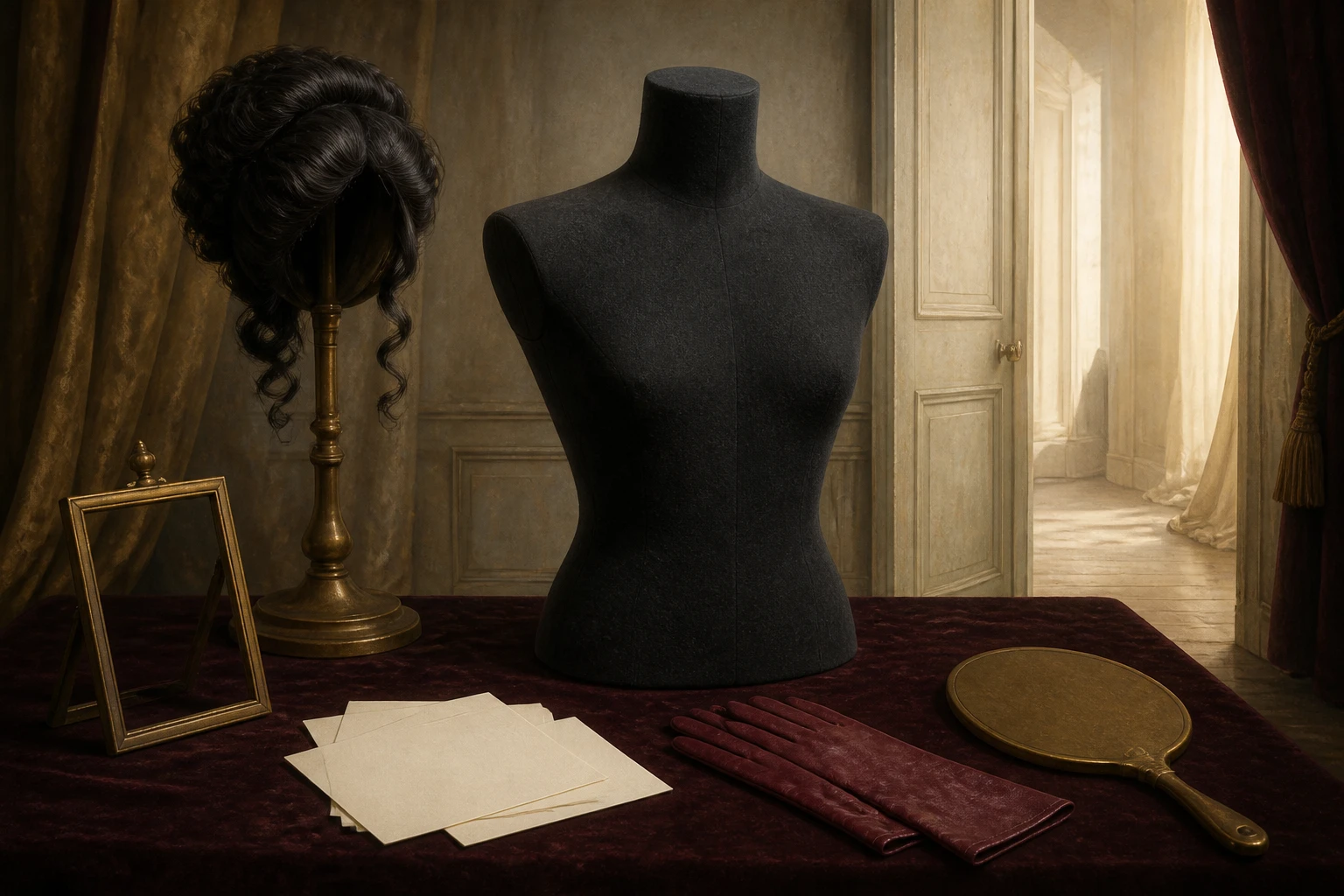
EDITORIAL ILLUSTRATIONDoll imagery has no single meaning
Posing, styling, stillness, transformation and authority can matter separately. The label does not establish gender, anatomy, submission or sexual intent, and presentation must remain clearly adult-coded.
Illustration created using generative AI; not documentary evidence.
Status
Source-checked editorial page
Publisher
The UK Kink Guide
Reviewed
Targeted additions checked 15 October 2026
Evidence
5 cited sources · types labelled below
Jurisdiction
UK-focused general education
Read the rest: evidence, law, safety and sources
Dollification
An adult transformation or role-play centred on becoming doll-like.
Doll fetish
Attraction to dolls or doll imagery, which may not involve personally taking a doll role.
Human furniture or objectification
Related roles focused on utility or object status rather than specifically doll aesthetics.
Fashion or cosplay
Doll-inspired styling that is not inherently erotic, submissive or kink-related.
Consent and communication
Negotiate touch, movement, posing, duration, names, photography and who may observe. Use an out-of-role phrase or non-verbal stop signal if stillness or silence is part of the performance.
Do not treat a motionless pose as continuing consent. Check in and permit repositioning without framing it as failure.
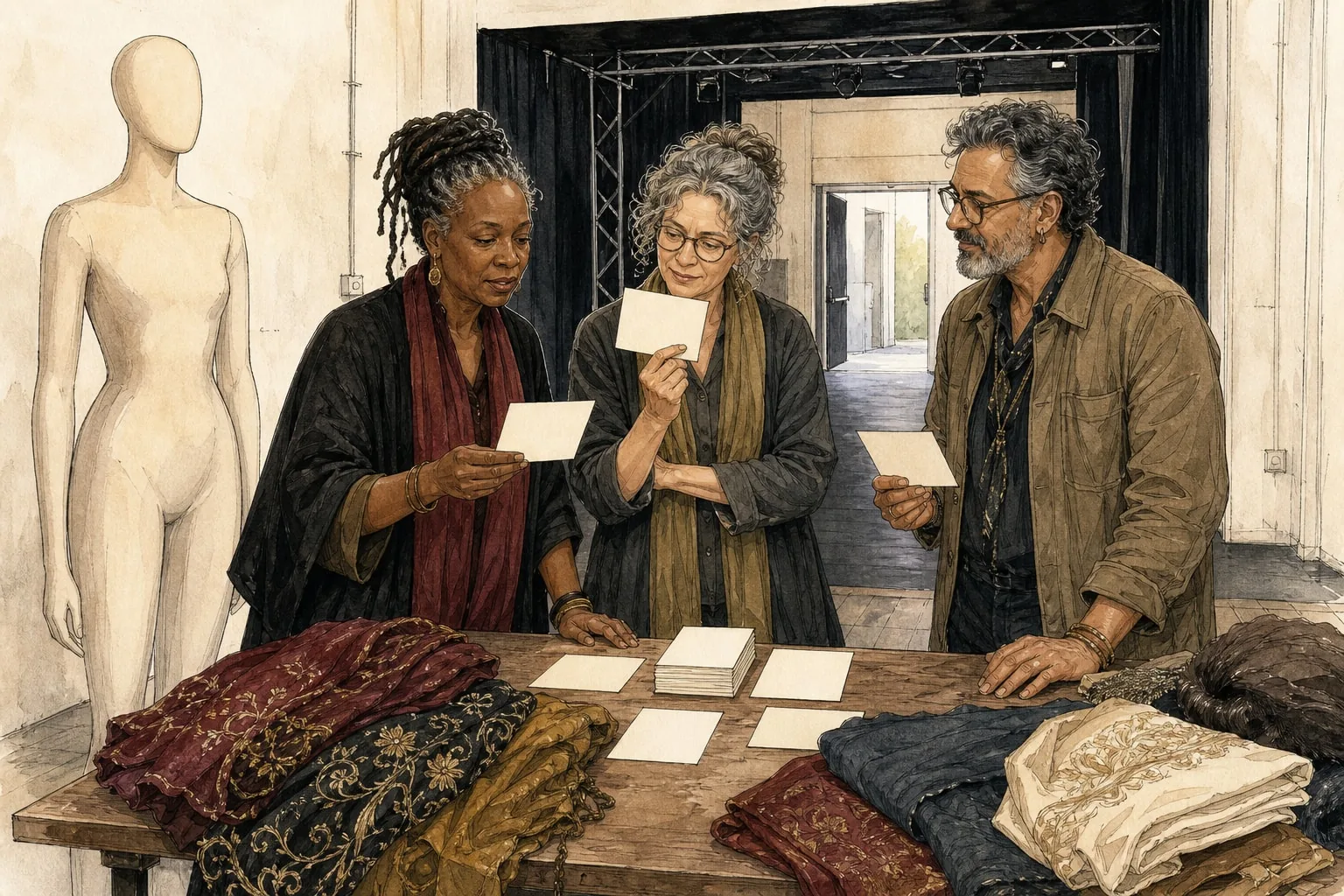
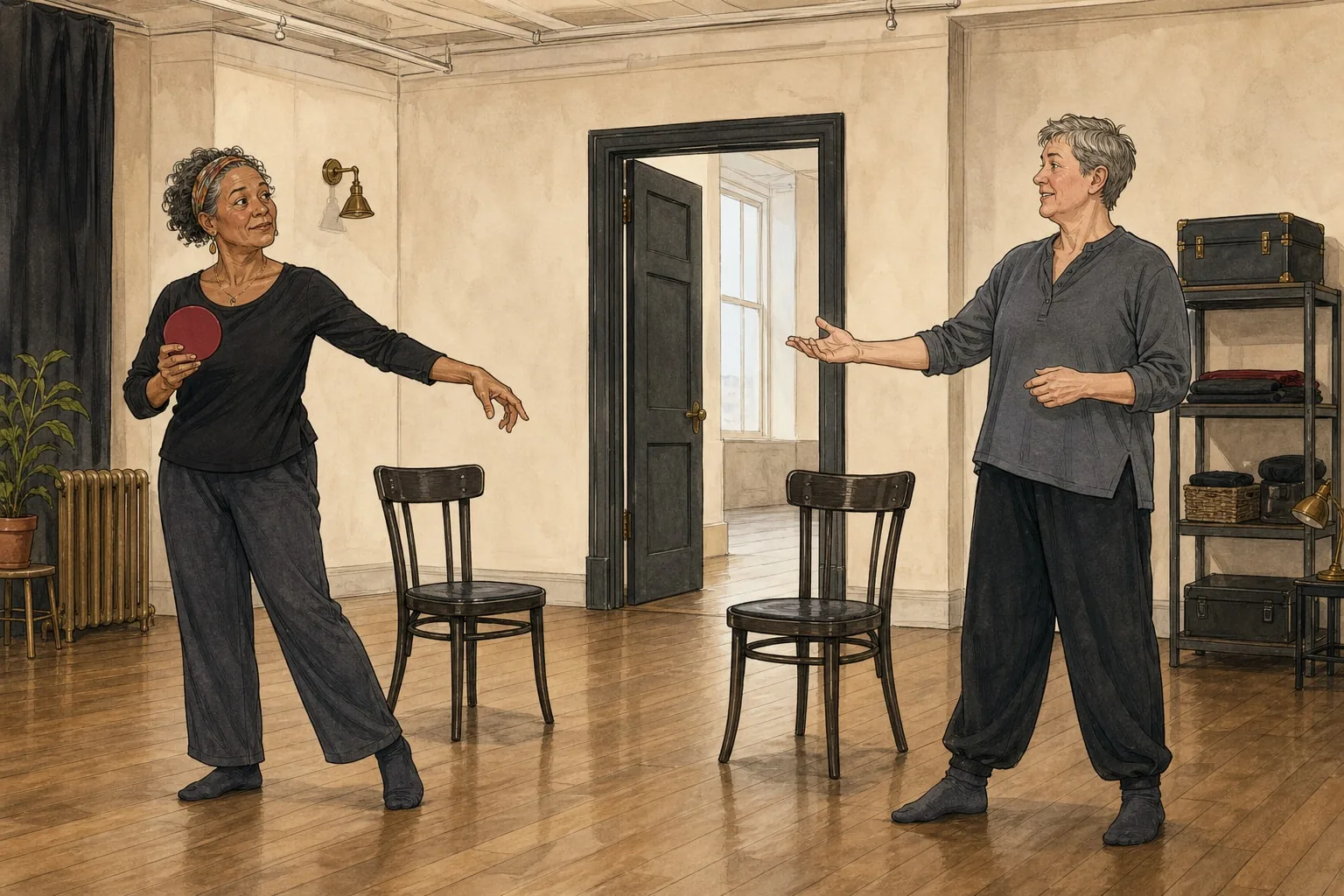
EDITORIAL ILLUSTRATIONStillness is not continuing consent
Touch, movement, posing, names, duration, observers and photography are separate choices. A pause or repositioning must remain available without being framed as a failed performance.
Illustration created using generative AI; not documentary evidence.
Costume, posture and sensory safety
Wigs, masks, contact lenses, tight garments and shoes can affect heat, vision, skin and balance. Follow product-specific guidance and stop after pain, dizziness, numbness or visual symptoms.
Static posing can strain joints and cause faintness. Provide breaks, hydration, seating and accessible alternatives.
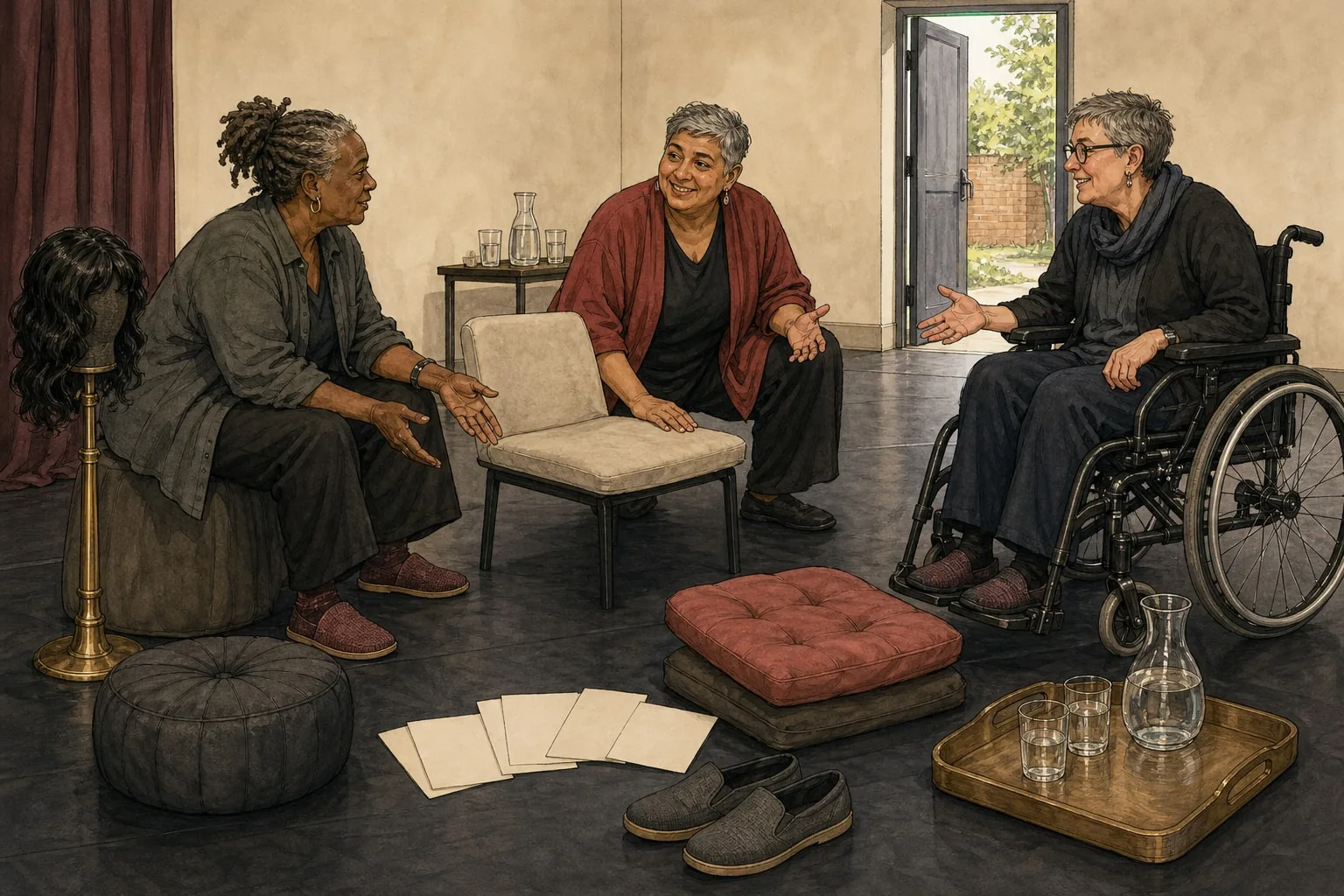
EDITORIAL ILLUSTRATIONAdult styling must remain physically adjustable
Wigs, masks, lenses, tight garments, footwear and static poses can affect heat, vision, skin, balance and joints. Breaks, seating, hydration and accessible alternatives matter more than visual perfection.
Illustration created using generative AI; not documentary evidence.
Images and clinical distinction
Agree capture, storage, editing, audience and deletion before photography. Consent to pose is not consent to publish, sell or train an AI system on the image.
Dollification is not itself a disorder. Research about other populations cannot establish a role-player’s motives, personality or wellbeing.
Common misunderstandings
Dollification here means a clearly adult performance or styling idea, not treating a person as an actual object without choices. A stylised pose or scripted response can be part of an agreed fiction while the adult remains fully entitled to move, speak, stop or change the plan.
Appearance does not establish submission or agreement to touch. An adult might enjoy costume design, photography or a transformation story while refusing any directing role for another person. Ask which element matters instead of treating a broad label as a complete description of what is wanted.
Safety and consent
Keep communication outside the performance available throughout. A request to move, speak normally or take a break must be accepted without criticism about spoiling the effect. If someone cannot respond clearly, pause and address that uncertainty; a still pose is not evidence of continuing permission.
Discuss privacy separately from presentation. Agree who can see an image, whether editing is wanted and how requests about later sharing will be handled. The full guide remains adults-only and non-explicit. It excludes restrictive equipment or any idea that depends on preventing a person from making ordinary choices or seeking help.
Non-graphic examples
What the umbrella may include
Using doll-inspired makeup without power exchange.
Posing briefly with scheduled movement breaks.
Using a hand signal while performing silence.
Keeping photographs private by agreement.
Choosing a seated pose to accommodate balance needs.
Prepare for an appointment
Questions you could ask a professional
What information would help you understand my question?
What are the realistic options and uncertainties?
How can disability, communication or privacy needs be accommodated?
When should the situation be reviewed again?
These prompts do not replace assessment and do not imply that every reader needs professional care.
Continue learning
Take the next step from definition to context.
Continue with independent guidance connecting dollification to evidence, consent, safety, uncertainty and practical decisions.
For health concerns, pressure or support after a boundary crossing, use the UK help directory. Describe the actual concern; you do not need a particular label to seek help.