Variation and possible contributors
Ask what the person is actually feeling and when it began. Not every low mood after kink has the same cause.
Many people never experience drop, and its absence does not mean a scene lacked intensity or meaning.
 The UK Kink GuideEvidence-led glossary
Also known as sub drop · top drop · dom drop · scene drop
An informal umbrella for tiredness, low mood, irritability, disconnection or vulnerability that some people report after an intense scene or event. It may affect participants in any role, and many people do not experience it.
Manual claim and limitation notes are shown where an individual source audit is complete. Other evidence-type labels are a publisher aid awaiting source-by-source confirmation.

Language & communication
Illustration created using generative AI; not documentary evidence.
In brief
Drop is community shorthand for an after-effect, not a recognised diagnosis or inevitable hormone crash. People may describe tiredness, sadness, irritability, emotional distance, physical soreness or vulnerability after intense activity, travel or a large event. Contributors can include exertion, sleep loss, dehydration, expectations, interpersonal meaning and unrelated mental or physical health. The label can support communication, but it should not minimise persistent distress, injury or a relationship problem.
Ask what the person is actually feeling and when it began. Not every low mood after kink has the same cause.
Many people never experience drop, and its absence does not mean a scene lacked intensity or meaning.
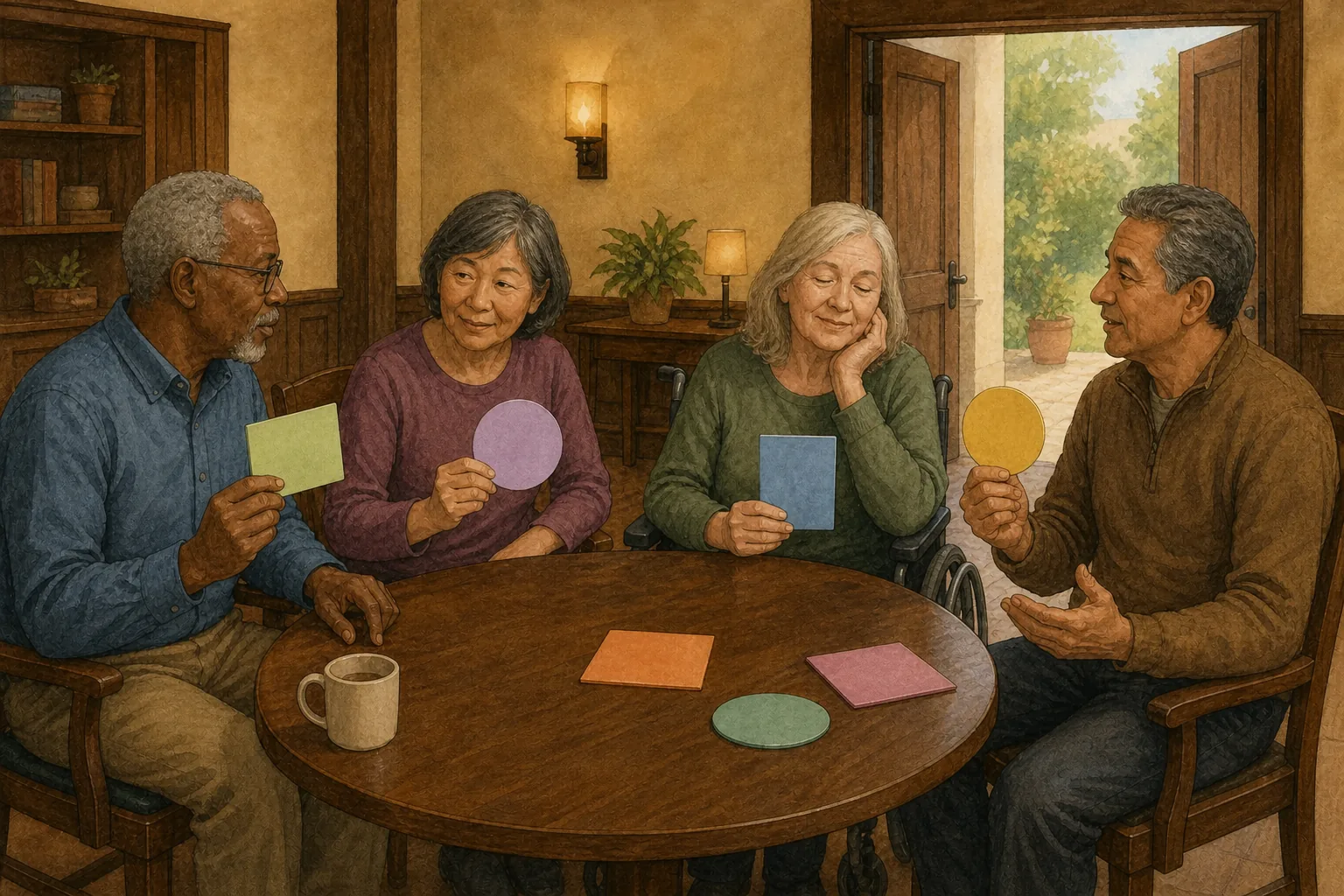
Ask what someone is feeling, when it began and what else may contribute. Drop is not universal, and its absence says nothing about the intensity or meaning of an event.
Illustration created using generative AI; not documentary evidence.Drop reported by a bottom or submissive; role does not determine cause or severity.
Similar after-effects reported by tops or dominants, potentially including responsibility or emotional processing.
Expected rest needs after exertion without marked distress.
Persistent, severe or dangerous symptoms needing assessment rather than a community label.
Agree realistic contact, food, rest, privacy and check-ins without promising care one person cannot provide.
Aftercare is negotiable and may be self-directed; it is not payment, proof of affection or consent to further intimacy.
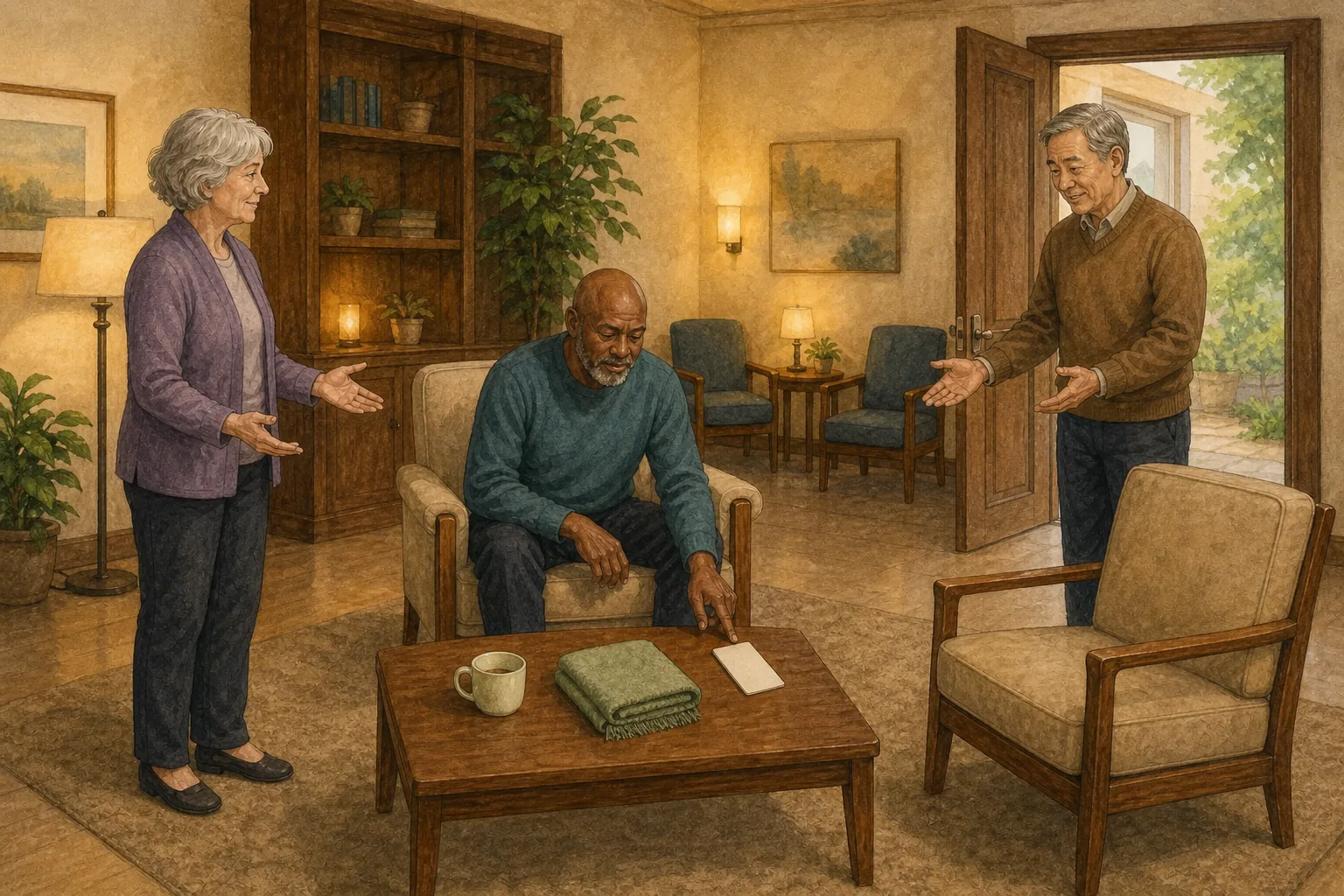
Agree realistic contact, food, rest, privacy and check-ins. Care may be self-directed and is never payment, proof of affection or consent to further intimacy.
Illustration created using generative AI; not documentary evidence.Injury, severe pain, breathing problems, confusion or other acute symptoms need appropriate medical attention.
Persistent low mood, inability to function, severe distress or thoughts of self-harm require mental-health support rather than reassurance that drop is normal.

Severe or lasting low mood, inability to function, acute symptoms or thoughts of self-harm need appropriate professional or urgent help rather than reassurance that drop is normal.
Illustration created using generative AI; not documentary evidence.Research on aftercare and drop is small, qualitative and inconsistent in definitions.
No single biochemical pathway, timetable or universal prevention strategy has been established.
Non-graphic examples
Prepare for an appointment
These prompts do not replace assessment and do not imply that every reader needs professional care.
Continue learning
Continue with independent guidance connecting drop to evidence, consent, safety, uncertainty and practical decisions.
What people mean by sub drop and top drop, how to plan a check-in, and when an experience calls for UK health or support services.
Read the full guideRelated in-depth reading
Explore a connected question with context and UK support routes.
Choose practical, physical and emotional aftercare ideas, plan distance check-ins and print a flexible checklist for each adult’s needs.
Read the full guide