Consensual adult exploration of gendered clothing, language, roles, mannerisms or presentation within fantasy, performance or power exchange.
Sources and evidence type
Manual claim and limitation notes are shown where an individual source audit is complete. Other evidence-type labels are a publisher aid awaiting source-by-source confirmation.
Walker et al. (2026), masculinity and BDSM rolesResearch study
Source design
Peer-reviewed research or review
What it can support
The specific population, measures and findings reported by the paper.
Important limitation
It cannot automatically establish UK prevalence, causation, diagnosis, consent or an individual outcome. Check recruitment, definitions and study design.
Open the original source Martinez et al. (2026), gender identities and flexible BDSM rolesResearch study
Source design
Peer-reviewed research or review
What it can support
The specific population, measures and findings reported by the paper.
Important limitation
It cannot automatically establish UK prevalence, causation, diagnosis, consent or an individual outcome. Check recruitment, definitions and study design.
Illustration created using generative AI; not documentary evidence.
In brief
Gender expression is not inherently erotic, submissive or humiliating.
Gender play can affirm, question, exaggerate, parody or temporarily perform gender. It is distinct from a person's actual gender identity, and cross-dressing or gender expression outside kink is not inherently sexual. Feminisation and masculinisation are culturally variable labels rather than fixed sets of clothing or behaviour. Humiliation is never inherent in femininity, masculinity, transness or gender nonconformity and must be separately negotiated.
Meaning and self-definition
Ask which words, clothes, pronouns and roles feel affirming, playful or out of bounds. The same element can be joyful for one person and dysphoric or degrading for another.
A scene may support exploration but does not prove a new identity or require disclosure outside it. People control when and how they name themselves.
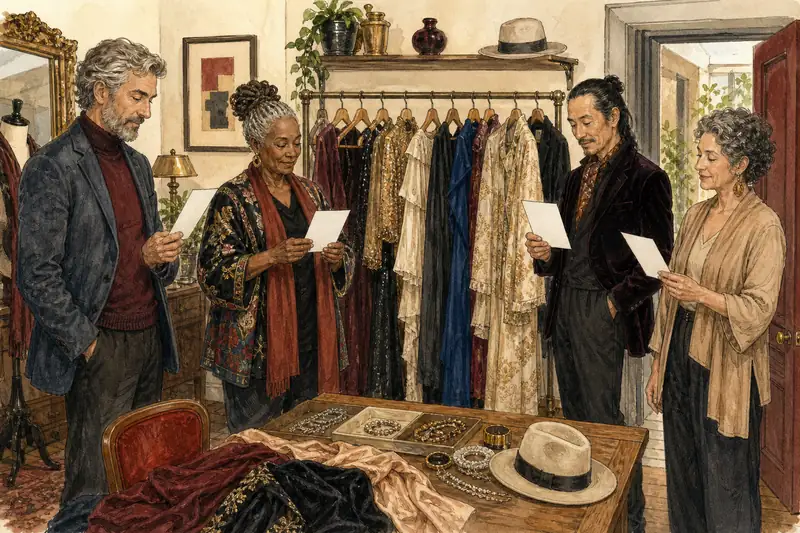
EDITORIAL ILLUSTRATIONPresentation has personal meaning
Clothes, words, pronouns and roles can feel affirming, playful, neutral or distressing. A scene element does not determine identity or require disclosure beyond the agreed context.
Illustration created using generative AI; not documentary evidence.
Status
Detailed editorial draft
Publisher
The UK Kink Guide
Reviewed
Structured draft present; individual review date not recorded
Evidence
3 cited sources · types labelled below
Jurisdiction
UK-focused general education
Read the rest: evidence, law, safety and sources
Gender play
A negotiated adult fantasy or performance using gendered presentation or roles.
Gender identity
A person's internal and social gender; it cannot be inferred from a scene or garment.
Cross-dressing
Wearing clothing associated with another gender, which may be aesthetic, practical, identity-related or erotic.
Gender affirmation
Respectful recognition of a person's gender; it is not a kink service and should not be withdrawn as punishment.
Consent and humiliation
Negotiate any embarrassment, forced-language fiction or public visibility separately. Never rely on misogyny, homophobia or transphobia as an assumed script.
Real pronouns, names, healthcare and transition-related needs remain outside punishment. Stop if play causes unanticipated dysphoria or distress.
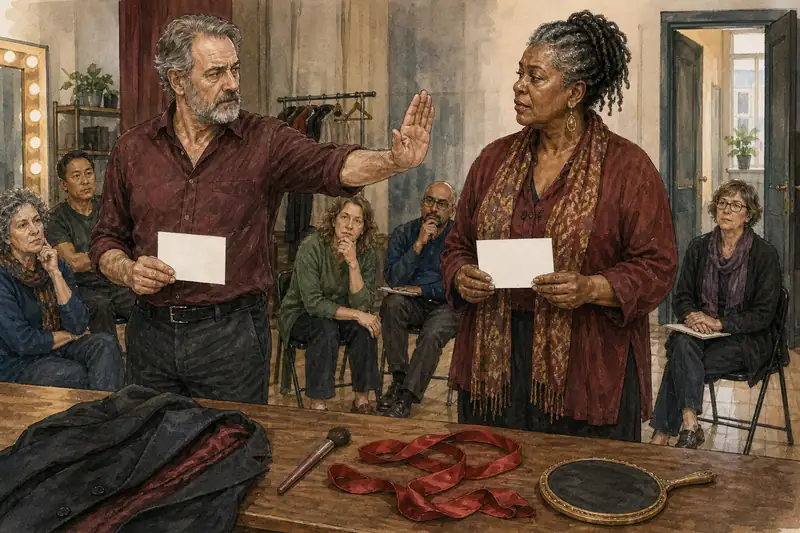
EDITORIAL ILLUSTRATIONIdentity and dignity stay outside punishment
Humiliation and forced-language fiction need separate, specific agreement. Real names, pronouns, healthcare and transition-related needs remain ordinary rights, not scene leverage.
Illustration created using generative AI; not documentary evidence.
Clothing, body and accessibility
Fit shoes, binders, corsetry, wigs, adhesives and cosmetics for the actual body and intended duration. Avoid unsafe compression, overheating, allergens and movement hazards.
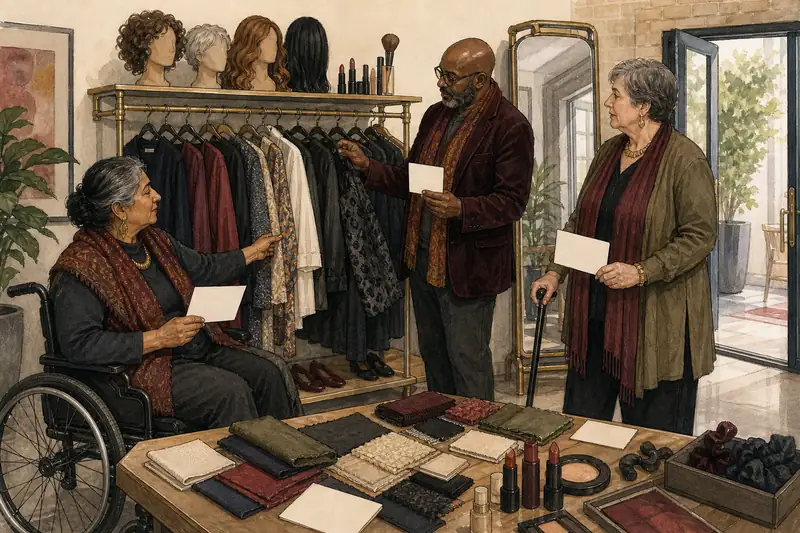
Offer size-inclusive, seated, low-sensory and non-visual ways to explore presentation. Passing or physical transformation is not a performance requirement.
Size-inclusive clothing, seated presentation and low-sensory options can support participation. Passing, compression or physical transformation is never a performance requirement.
Illustration created using generative AI; not documentary evidence.
Evidence and clinical distinction
BDSM research shows gender roles can both challenge and reproduce social stereotypes. Group patterns cannot predict an individual's identity or meaning.
ICD-11 does not pathologise gender diversity or consensual cross-gender expression. Clinical care should address actual distress without assuming the kink caused it.
Non-graphic examples
What the umbrella may include
Trying a masculine title during a private role-play.
Wearing feminine clothing without humiliation.
Using chosen pronouns consistently outside the scene.
Stopping after unexpected dysphoria.
Exploring gender through makeup rather than restrictive clothing.
Prepare for an appointment
Questions you could ask a professional
What information would help you understand my question?
What are the realistic options and uncertainties?
How can disability, communication or privacy needs be accommodated?
When should the situation be reviewed again?
These prompts do not replace assessment and do not imply that every reader needs professional care.
Continue learning
Take the next step from definition to context.
Continue with independent guidance connecting gender play to evidence, consent, safety, uncertainty and practical decisions.