A specialist adult interest involving temporary skin piercing for sensation, ritual, pattern or symbolism. It differs from permanent body piercing, injection and acupuncture, but it still creates puncture wounds and sharps exposure with risks of bleeding, infection, scarring and injury.
Sources and evidence type
Manual claim and limitation notes are shown where an individual source audit is complete. Other evidence-type labels are a publisher aid awaiting source-by-source confirmation.
Rehor (2015), survey of adult women from kink communitiesResearch study
Source design
Peer-reviewed research or review
What it can support
The specific population, measures and findings reported by the paper.
Important limitation
It cannot automatically establish UK prevalence, causation, diagnosis, consent or an individual outcome. Check recruitment, definitions and study design.
The specific population, measures and findings reported by the paper.
Important limitation
It cannot automatically establish UK prevalence, causation, diagnosis, consent or an individual outcome. Check recruitment, definitions and study design.
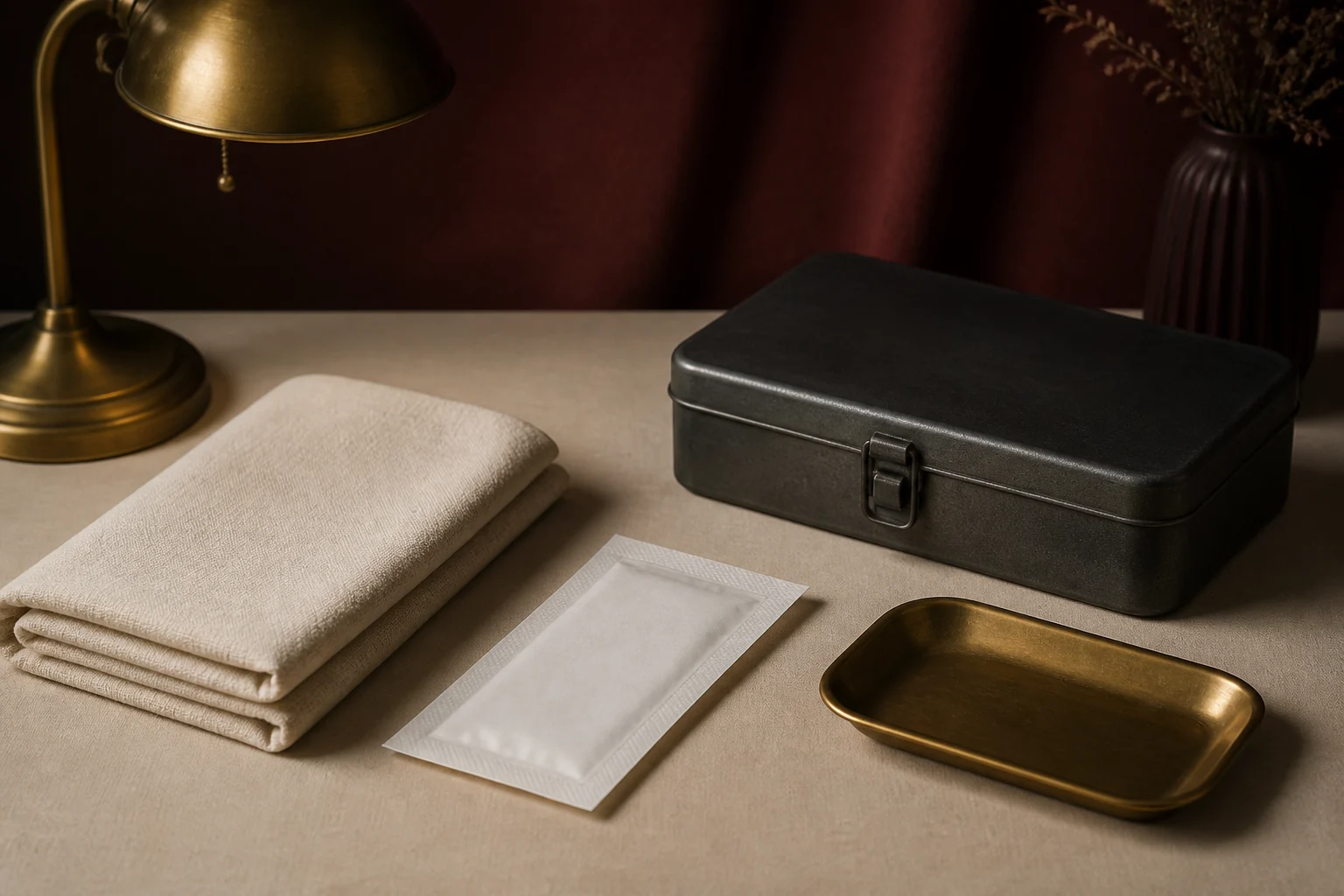
Illustration created using generative AI; not documentary evidence.
In brief
Temporary intention does not make a puncture temporary in its consequences.
Needle play, often called play piercing, is a high-risk adult practice in which piercing is intended to be temporary rather than a lasting body modification. Adults may be interested in anticipation, a clinical aesthetic, trust, ritual, precise pattern or the symbolism of crossing the skin boundary. Those meanings do not reduce the medical risks or demonstrate competence. This page explains terminology, objects, evidence and warning signs without giving anatomy, placement, depth, angle, insertion, removal or aftercare instructions.
What research can—and cannot—show
Rehor's 2015 survey asked 1,580 adult women recruited from kink communities about 126 behaviours, including needle-related activity. It documents that needle play exists within that self-selected sample, but cannot estimate prevalence among UK adults, represent every gender or establish why a person is interested. General BDSM reviews likewise combine many activities and do not isolate temporary piercing outcomes.
Published health evidence is stronger for body piercing, occupational sharps exposure and bloodborne-virus prevention than for needle play itself. UKHSA and HSE guidance can identify infection and sharps hazards, but it does not validate a recreational method or prove that community experience equals professional competence. There is insufficient evidence for universal claims about endorphins, trauma, personality or therapeutic benefit.
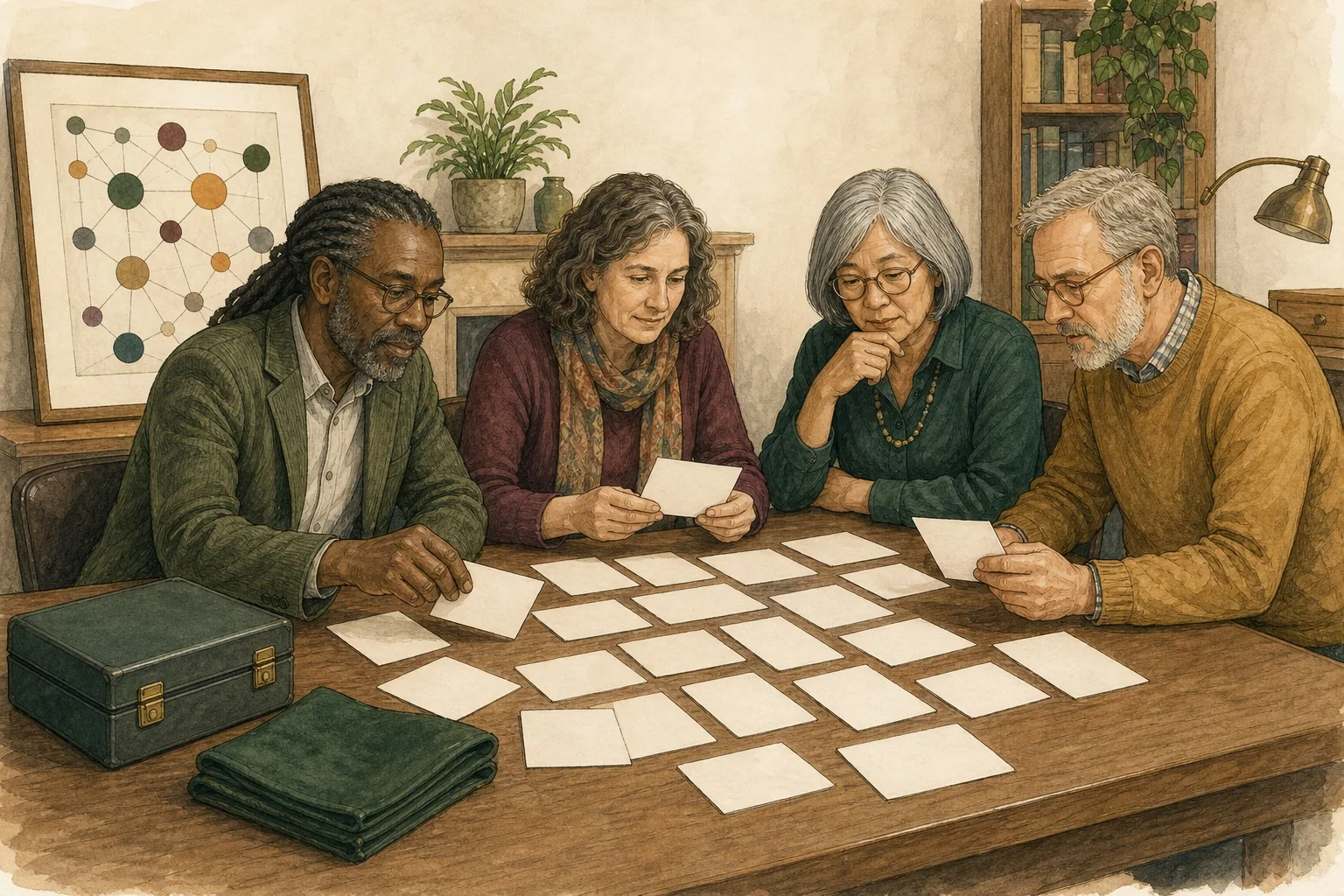
EDITORIAL ILLUSTRATIONBroader surveys cannot supply a technique
Needle play is not well isolated in representative research. Broader kink surveys can document reported interests but cannot establish prevalence, individual safety or a validated procedure.
Illustration created using generative AI; not documentary evidence.
Status
Detailed editorial draft
Publisher
The UK Kink Guide
Reviewed
Structured draft present; individual review date not recorded
Evidence
10 cited sources · types labelled below
Jurisdiction
UK-focused general education
Read the rest: evidence, law, safety and sources
Needle play / play piercing
Temporary adult piercing for sensation, ritual, visual pattern or power exchange. The skin is punctured even though no lasting jewellery is intended.
Permanent body piercing
A body-modification service intended to create and maintain a channel for jewellery. Professional practice, healing expectations and local regulation are separate issues.
Medical injection
A clinical procedure used to deliver or collect a substance for healthcare. Medical equipment and appearance do not make recreational piercing a clinical procedure.
Acupuncture
A distinct therapeutic practice with its own professional standards and claimed purposes. Calling play piercing recreational acupuncture can blur important differences.
Sensation, ritual and visual pattern
Anticipation, precision, controlled fear, a clinical-looking ritual, temporary marks, symmetry and the contrast between delicate objects and bodily vulnerability can each carry meaning. Some adults focus on giving or receiving sensation, while others value observation, trust, service, visual design or fantasy without wanting puncture at all.
Needle play may overlap with medical role-play, pain interest, blood interest, body modification or power exchange, but none is implied automatically. Consent to a medical costume, tattoo, permanent piercing, blood test or another intense sensation does not imply consent to temporary piercing, blood exposure, photography or visible marks.
Objects, materials and non-invasive alternatives
A professional piercing needle is a sharp medical-style object, not a decorative pin or ordinary sewing needle. Intact sterile packaging, single-use labelling, a sharps hazard symbol and an approved rigid disposal container communicate infection-control responsibilities; they are not a technique guide or proof that the person holding them is competent. Damaged packaging, reused sharps and improvised household objects add risks that appearance cannot reveal.
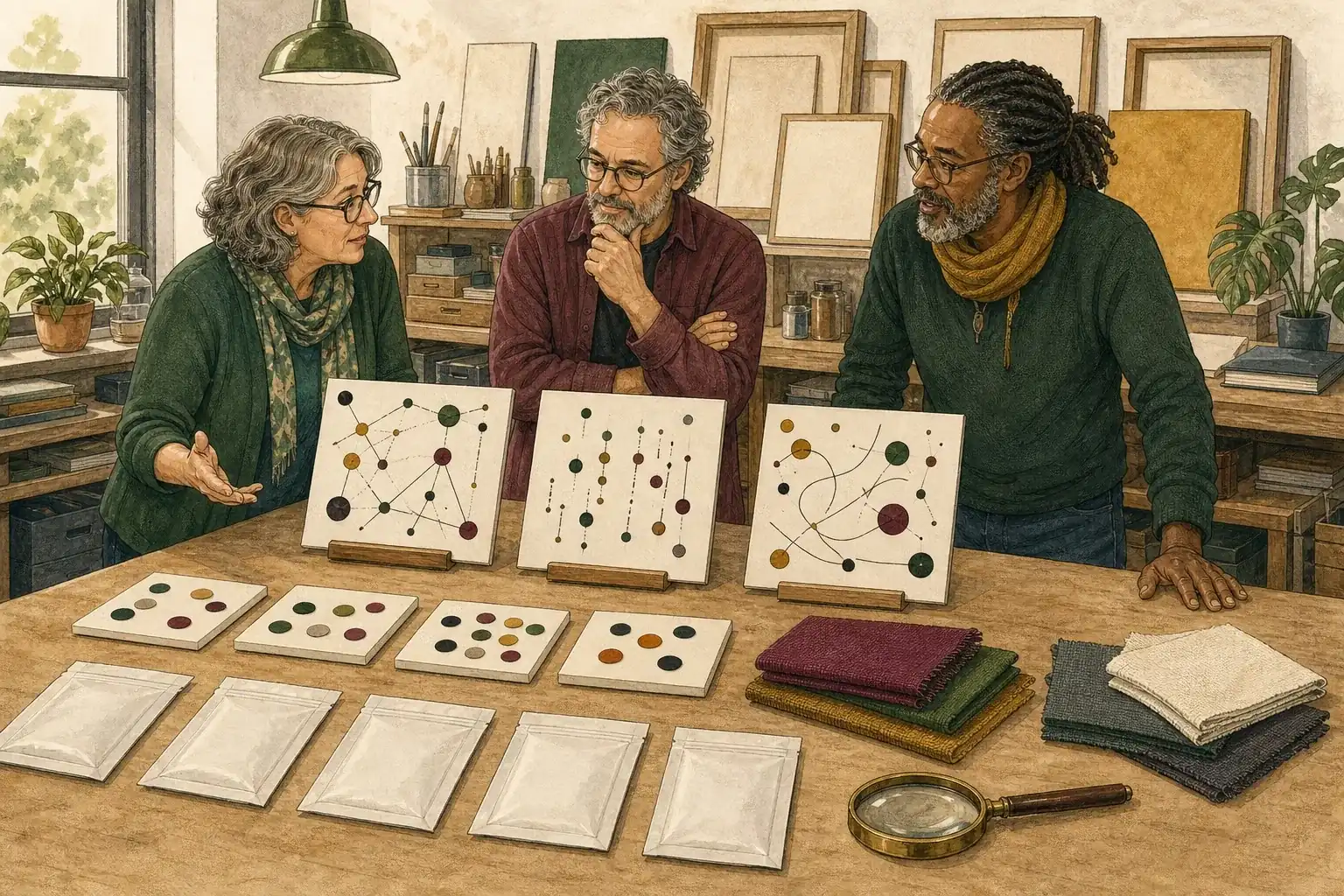
Paper pattern studies, body-safe cosmetic dots, removable transfers, sealed mock packaging, abstract line-and-point graphics and object-only photography can express precision or clinical symbolism without breaking skin. High-contrast descriptions, tactile paper patterns and narrated design can improve access. Skin conditions, scarring tendency, bleeding disorders, medication, immune status, pain processing, fainting history and assistance needs may alter risk and boundaries without obliging anyone to disclose a diagnosis publicly.
EDITORIAL ILLUSTRATIONNon-invasive media can preserve the theme
Abstract patterns, temporary surface decoration, illustration and sealed display objects can represent visual or ritual elements without puncturing skin or demonstrating a technique.
Illustration created using generative AI; not documentary evidence.
Consent, infection, professional help and clinical distinction
Agreement should distinguish fantasy from puncture and address roles, blood, visible marks, privacy, photographs, stopping and what happens if an accidental sharps exposure occurs. Dunkley and Brotto's review identifies prior negotiation and continuing communication as recurring BDSM consent practices. Consent does not remove infection, bleeding, scarring or nerve and tissue injury, and a person who faints or loses capacity cannot continue consenting.
UKHSA identifies hepatitis B, hepatitis C and HIV among bloodborne-virus risks from unsafe piercing, while HSE advises urgent professional assessment after a possible blood exposure rather than personal risk calculation. Increasing redness, swelling, pain, unusual discharge, fever, uncontrolled bleeding, loss of sensation or other concerning symptoms need medical advice. Professional skin-piercing rules and licensing conditions vary by UK nation and local authority. A consensual adult interest is not a paraphilic disorder by default; distress, impairment, serious risk, self-injury and non-consent require separate assessment and must not be inferred from a label alone.
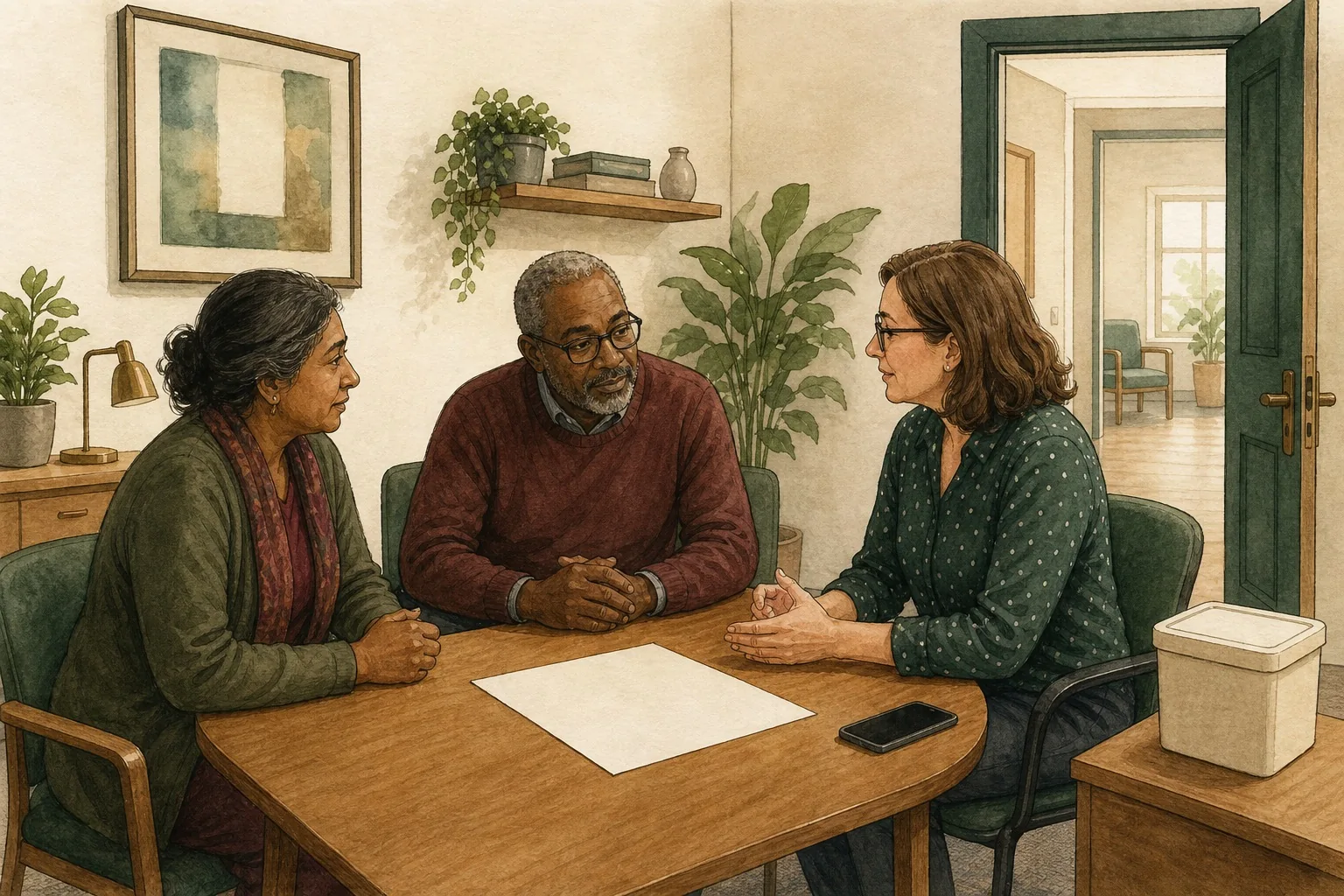
EDITORIAL ILLUSTRATIONExposure needs professional assessment
Possible sharps or blood exposure, uncontrolled bleeding, infection signs, altered sensation or other concerning symptoms need appropriate professional advice rather than personal risk calculation.
Illustration created using generative AI; not documentary evidence.
Non-graphic examples
What the umbrella may include
An adult appreciating an abstract dot-and-line design while choosing not to puncture skin.
Partners discussing whether their interest is in medical aesthetics, temporary marks, sensation or a trust ritual rather than assuming the same meaning.
An educator comparing play piercing, permanent piercing, injection and acupuncture without demonstrating a procedure.
An adult declining blood exposure or visible marks despite enjoying another form of intense sensation or power exchange.
Seeking urgent professional assessment after an accidental sharps or blood exposure instead of trying to calculate infection risk alone.
Prepare for an appointment
Questions you could ask a professional
What information would help you understand my question?
What are the realistic options and uncertainties?
How can disability, communication or privacy needs be accommodated?
When should the situation be reviewed again?
These prompts do not replace assessment and do not imply that every reader needs professional care.
Continue learning
Take the next step from definition to context.
Continue with independent guidance connecting needle play to evidence, consent, safety, uncertainty and practical decisions.