Also known as sploshing · WAM · wet and messy interest
A sensory interest in contact with visibly wet, soft or messy materials, often valued for texture, spectacle or a playful loss of neatness. Community terms such as sploshing and WAM overlap with, but do not define, every person's interest.
Sources and evidence type
Manual claim and limitation notes are shown where an individual source audit is complete. Other evidence-type labels are a publisher aid awaiting source-by-source confirmation.
Rehor (2015), survey of women from kink communitiesResearch study
Source design
Peer-reviewed research or review
What it can support
The specific population, measures and findings reported by the paper.
Important limitation
It cannot automatically establish UK prevalence, causation, diagnosis, consent or an individual outcome. Check recruitment, definitions and study design.
The specific population, measures and findings reported by the paper.
Important limitation
It cannot automatically establish UK prevalence, causation, diagnosis, consent or an individual outcome. Check recruitment, definitions and study design.
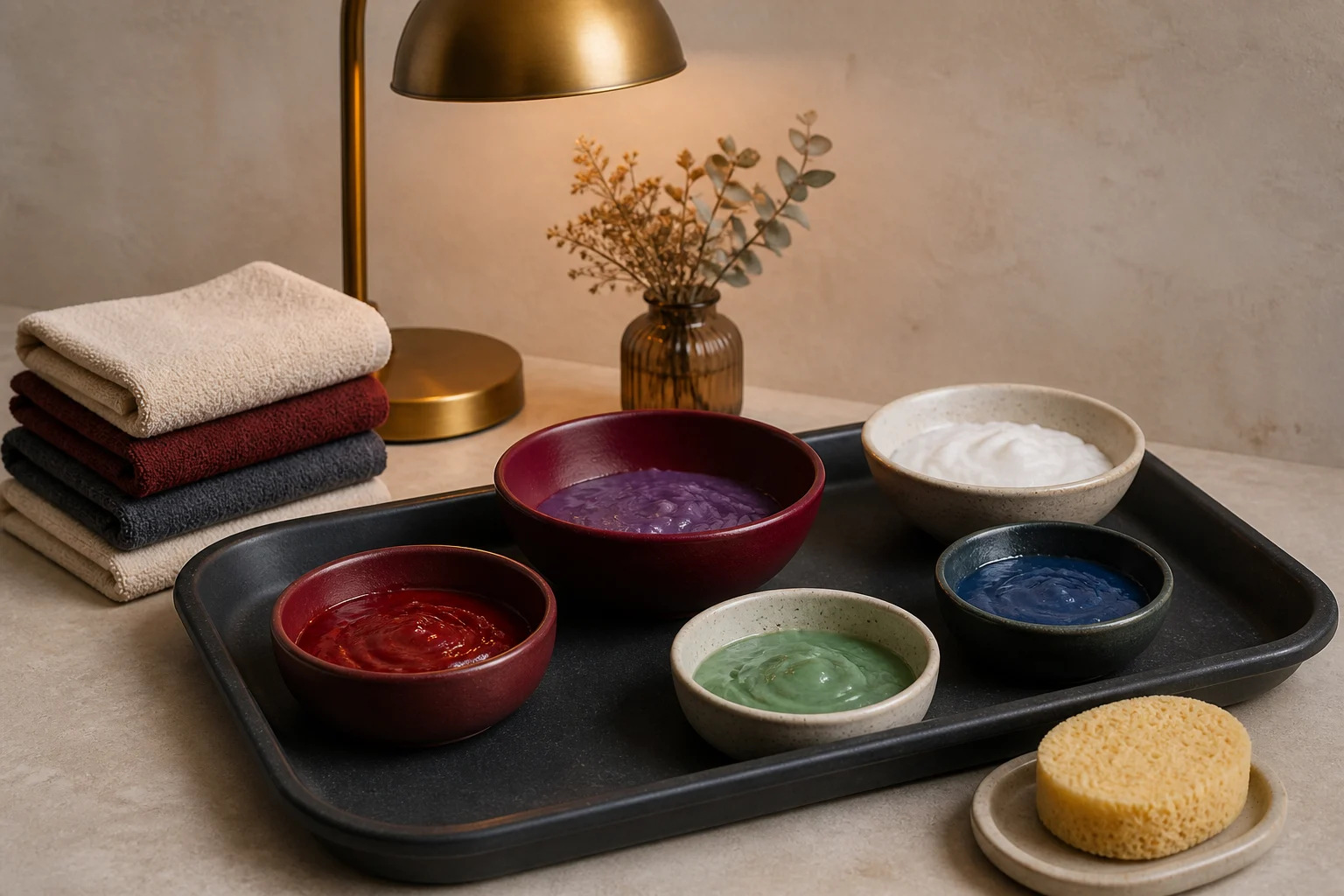
Illustration created using generative AI; not documentary evidence.
In brief
Texture and spectacle do not make every material interchangeable.
Messy play is a broad adult interest in the feel, appearance or symbolism of wet, soft, coating or visibly disordered materials. Some adults focus on texture, colour, sound or changed clothing; others value humour, spectacle, abundance or the contrast between control and an agreed loss of neatness. Food may be involved, but messy play is not synonymous with food play, and a person may prefer watching, wearing a costume or using an abstract image rather than direct contact. The label alone does not establish consent to any material, body area, garment, photograph or cleanup arrangement.
What research can—and cannot—show
Rehor's survey of 1,580 adult women recruited from kink communities included a combined item about applying body paint, chocolate, oil, food and similar materials. Many respondents endorsed that mixed item in at least one role, documenting that applied sensory materials existed within this non-clinical sample. Because the question combined several substances and did not use WAM or sploshing as a distinct category, it cannot produce a messy-play prevalence estimate.
Direct peer-reviewed research on adult messy play as a defined interest remains sparse. Rehor's self-selected, predominantly North American sample cannot represent all genders, cultures or adults outside kink communities, and online communities or commercial catalogues cannot establish causes or typical outcomes. NHS and Health and Safety Executive material can clarify physical hazards, but it does not explain why a texture or image becomes meaningful.
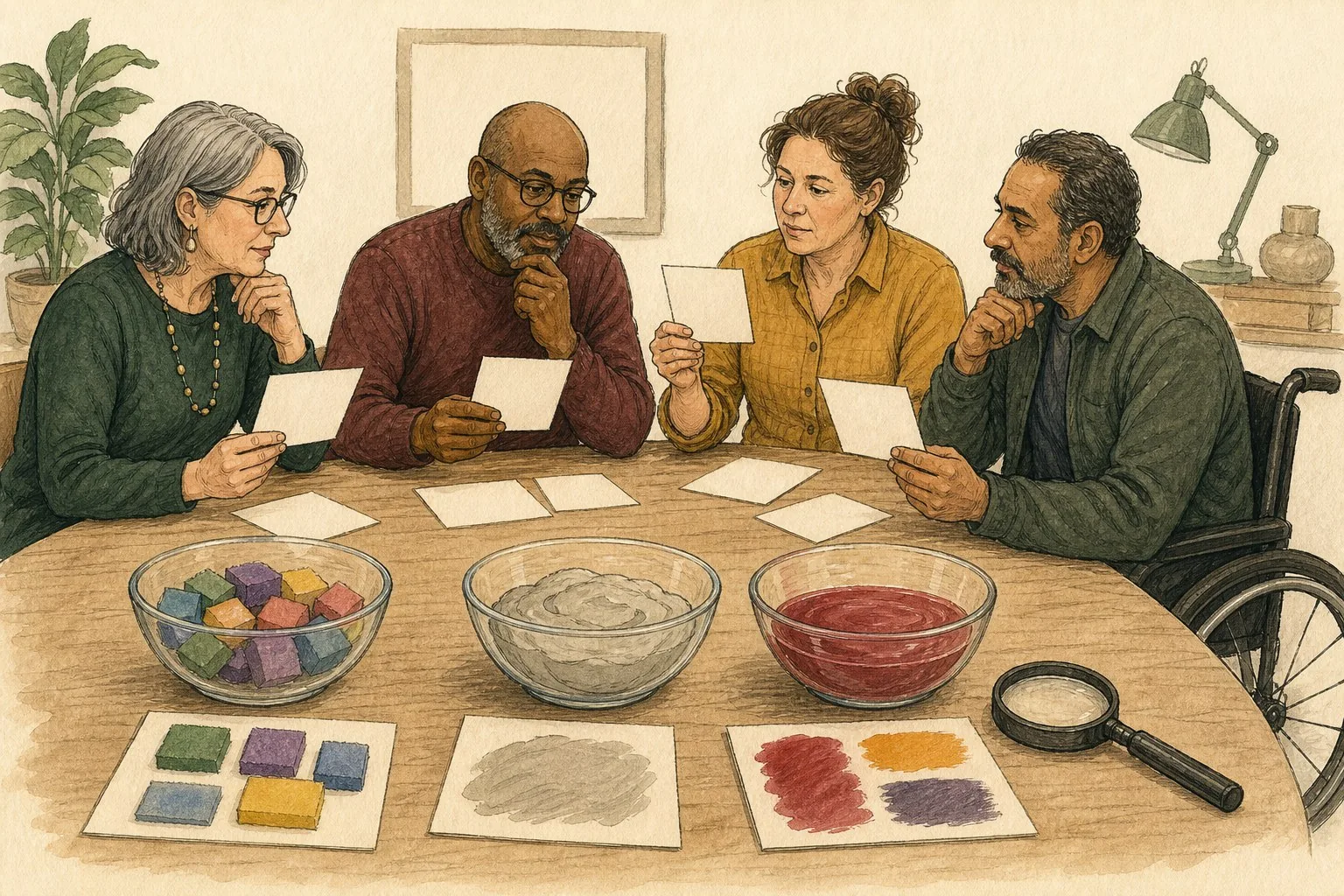
EDITORIAL ILLUSTRATIONMaterials and meanings vary
Direct evidence is limited and broad labels can combine very different substances and experiences. Popularity or familiarity does not prove a material is harmless or suitable for everyone.
Illustration created using generative AI; not documentary evidence.
Status
Detailed editorial draft
Publisher
The UK Kink Guide
Reviewed
Structured draft present; individual review date not recorded
Evidence
7 cited sources · types labelled below
Jurisdiction
UK-focused general education
Read the rest: evidence, law, safety and sources
Messy play / WAM
The broad interest in wet or messy texture, coverage, appearance or symbolism, using materials appropriate for the intended contact.
Sploshing
A common community term for messy spectacle or coverage. Usage varies, so it should not be treated as a precise list of activities.
Food play
A related interest centred on edible items, taste, scent or serving ritual. It can be neat, while messy play can use non-food sensory materials.
Water or wet-look interest
An interest in water, wet fabric or reflective appearance that may involve little residue or disorder and therefore need not be messy play.
Texture, appearance and symbolic contrast
Viscosity, weight, temperature, colour, opacity, scent, sound and the way a material changes fabric or reflected light can each be the primary feature. A person may enjoy smoothness, resistance, visual transformation, deliberate disorder or the temporary suspension of everyday presentation rules. None of these meanings automatically implies humiliation, power exchange or erotic activity.
A preference may concern one tightly bounded material or a broader aesthetic, and roles are not fixed: watching, being visibly messy, arranging objects or imagining the scene can matter separately. Community labels therefore should not be used to infer which participant directs the scene, whether clothing remains on, or whether a private interest should be performed at all.
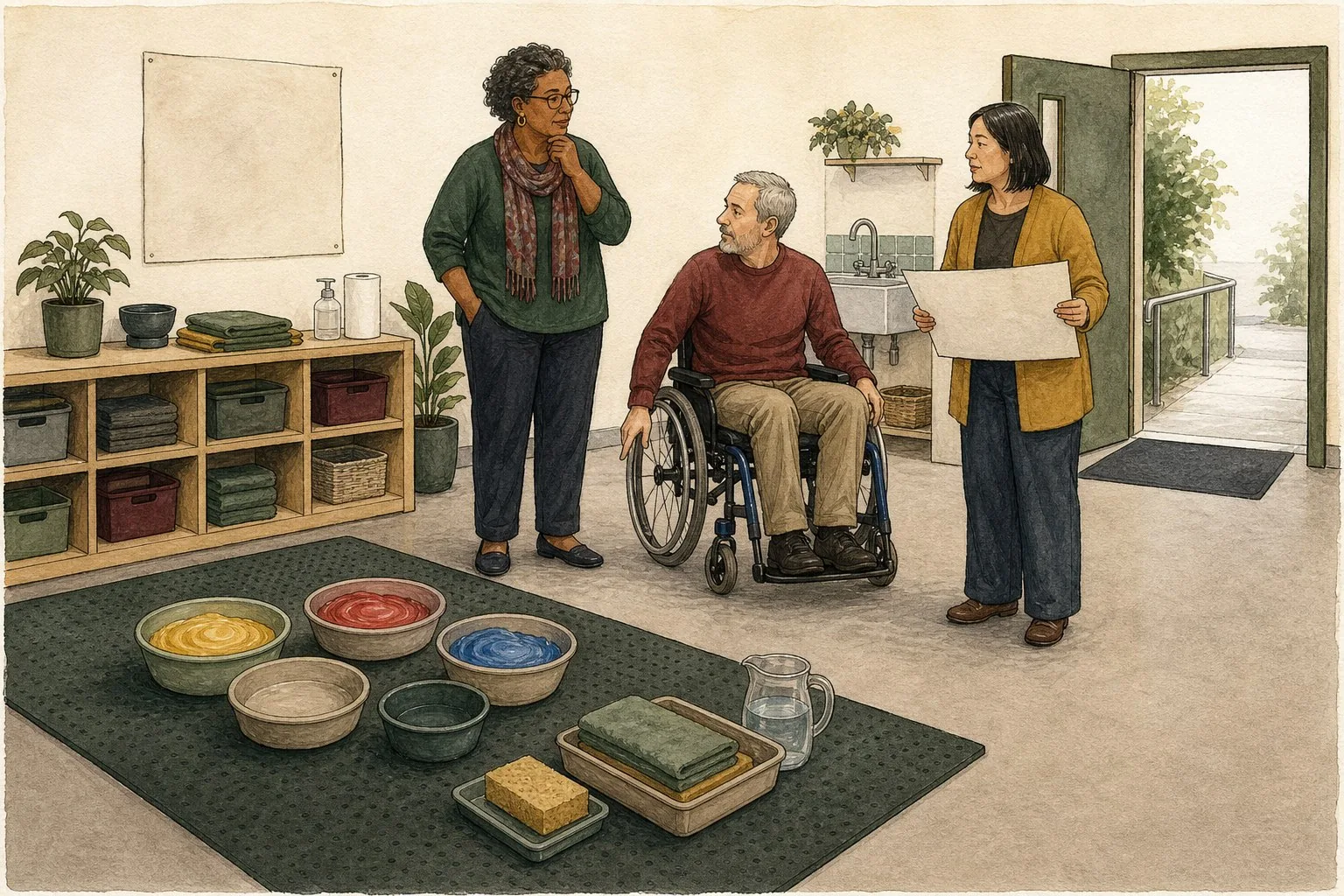
EDITORIAL ILLUSTRATIONPlan the room and the cleanup
Floor grip, routes, temperature, ventilation, washing and assistance affect access and risk. Cleanup should be agreed work rather than an assumed obligation.
Illustration created using generative AI; not documentary evidence.
Objects, materials and accessible cues
Labelled containers, washable textiles, plain trays, protective coverings, towels, colour cards and sealed samples can represent the theme without showing a person. Packaging, viscosity and hazard symbols matter because edible products, cosmetics, craft materials and household chemicals are regulated and labelled for different uses; a similar colour or texture does not make them interchangeable or suitable for skin contact.
Text descriptions, high-contrast colour references, audio, tactile samples intended for handling and object-only still lifes can offer alternatives to full-body contact or visually dense scenes. Mobility, balance, grip, temperature sensitivity, allergies, skin conditions, sensory overload and assistance with changing or cleanup can alter whether a setting is accessible. Declining a material or accommodation does not require disclosure of a diagnosis.
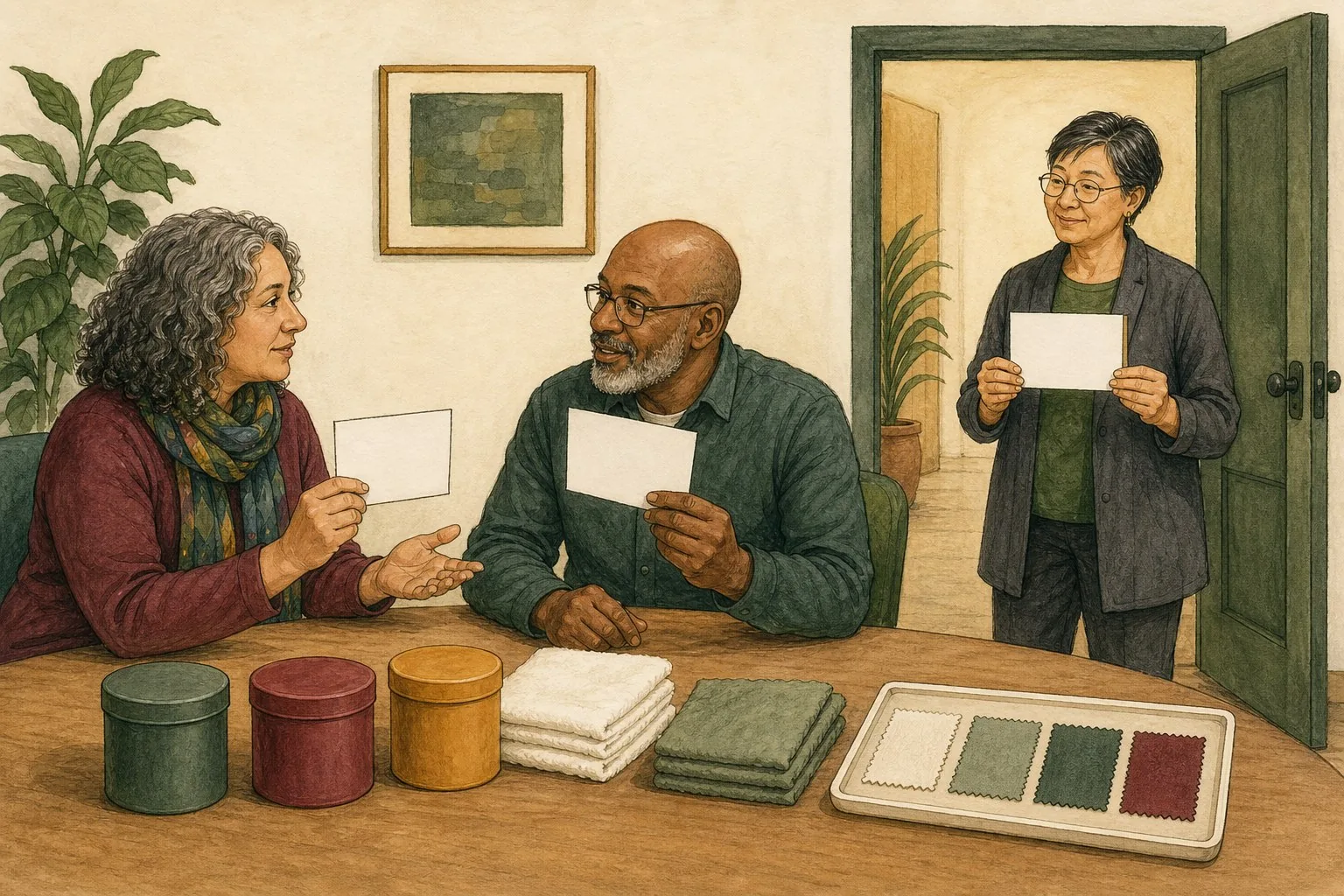
EDITORIAL ILLUSTRATIONAgree materials, touch and privacy separately
An adult may accept one material but not another, or agree to mess without touch or images. Patch testing cannot guarantee safety, and consent remains withdrawable.
Illustration created using generative AI; not documentary evidence.
Consent, health and clinical distinction
Agreement should identify the exact labelled material, intended contact, clothing, hair, sensory intensity, photographs, audience and cleanup expectations, with an ordinary way to pause or stop. Dunkley and Brotto's review describes negotiation and continuing communication as recurring BDSM consent practices; a playful tone, costume or community label does not supply consent. In England and Wales, section 74 of the Sexual Offences Act 2003 centres choice, freedom and capacity; other UK jurisdictions have their own law.
NHS guidance distinguishes irritant from allergic contact dermatitis, while HSE guidance notes that wet or contaminated floors increase slip risk and that hazard labels communicate chemical harms. Materials must not obstruct breathing or expose eyes, airways or broken skin to unsuitable substances. A consensual adult interest is not a paraphilic disorder by default: WHO guidance focuses on marked distress, significant impairment, serious risk or non-consent rather than unconventional texture or imagery alone.
Non-graphic examples
What the umbrella may include
An adult enjoying an object-only photograph of brightly coloured, labelled sensory materials arranged on a tray.
Two adults agreeing that a private scene will focus on the sound and visual change of a washable outer garment.
An adult preferring written descriptions of texture while opting out of scent and direct contact.
Partners distinguishing a food-based theme from a non-food material interest before discussing any shared activity.
Stopping immediately when the floor feels unstable, a material irritates the skin or either adult changes their mind.
Prepare for an appointment
Questions you could ask a professional
What information would help you understand my question?
What are the realistic options and uncertainties?
How can disability, communication or privacy needs be accommodated?
When should the situation be reviewed again?
These prompts do not replace assessment and do not imply that every reader needs professional care.
Continue learning
Take the next step from definition to context.
Continue with independent guidance connecting messy play to evidence, consent, safety, uncertainty and practical decisions.