Temperature play is consensual adult exploration of warm or cool sensations and the contrast between them. The interest may concern surprise, attention or sensory difference rather than extreme heat or cold.
 The UK Kink GuideEvidence-led glossary
 Back to the glossarySensation & activityIn plain English Words in context A non-graphic adult example What not to assume
Temperature play
The controlled use of warm or cool sensations for contrast and attention. Because temperature injury can occur before pain feels extreme, the category needs more caution than its everyday materials may suggest.
Start here
New to this term?
Warm sensation, cold sensation and wax play are related but separate categories because materials transfer and retain heat differently. Everyday objects are not automatically suitable merely because their temperature feels familiar at first.
Adults may discuss a mild warm–cool contrast as part of a non-graphic sensory scene without seeking pain or injury. Another person may simply enjoy warmth for relaxation and not regard it as kink.
Pain is not a reliable thermometer, and reduced sensation, circulation problems, medication or illness can alter warning signals. Research and clinical guidance establish that heat and cold can injure tissue, but cannot certify an unspecified material, temperature or exposure as safe. This entry deliberately gives no operating values or methods.
Sources and evidence type
Manual claim and limitation notes are shown where an individual source audit is complete. Other evidence-type labels are a publisher aid awaiting source-by-source confirmation.
Drouin et al. (2023), BDSM-related injury surveyResearch study
- Source design
- Peer-reviewed research or review
- What it can support
- The specific population, measures and findings reported by the paper.
- Important limitation
- It cannot automatically establish UK prevalence, causation, diagnosis, consent or an individual outcome. Check recruitment, definitions and study design.
Dunkley & Brotto (2020), BDSM consent reviewResearch study
- Source design
- Peer-reviewed research or review
- What it can support
- The specific population, measures and findings reported by the paper.
- Important limitation
- It cannot automatically establish UK prevalence, causation, diagnosis, consent or an individual outcome. Check recruitment, definitions and study design.
NHS, burns and scaldsClinical guideline
- Source design
- Current public-health or clinical guidance
- What it can support
- Service pathways, health definitions and recommended public-health or clinical actions within its stated scope.
- Important limitation
- General guidance cannot assess an individual’s symptoms, exposure, medicine, contraindications or urgency.
HSE, heat and cold as contact-urticaria triggersLaw or regulator
- Source design
- Primary legislation, prosecutorial or regulator guidance
- What it can support
- The legal provision or official regulatory position for the jurisdiction and date stated.
- Important limitation
- It is not fact-specific legal advice. Commencement, amendments, jurisdiction and case law may affect application.
Domestic Abuse Act 2021, section 71Law or regulator
- Source design
- Primary legislation, prosecutorial or regulator guidance
- What it can support
- The legal provision or official regulatory position for the jurisdiction and date stated.
- Important limitation
- It is not fact-specific legal advice. Commencement, amendments, jurisdiction and case law may affect application.
WHO ICD-11 clinical requirements (2024)Clinical guideline
- Source design
- Current public-health or clinical guidance
- What it can support
- Service pathways, health definitions and recommended public-health or clinical actions within its stated scope.
- Important limitation
- General guidance cannot assess an individual’s symptoms, exposure, medicine, contraindications or urgency.
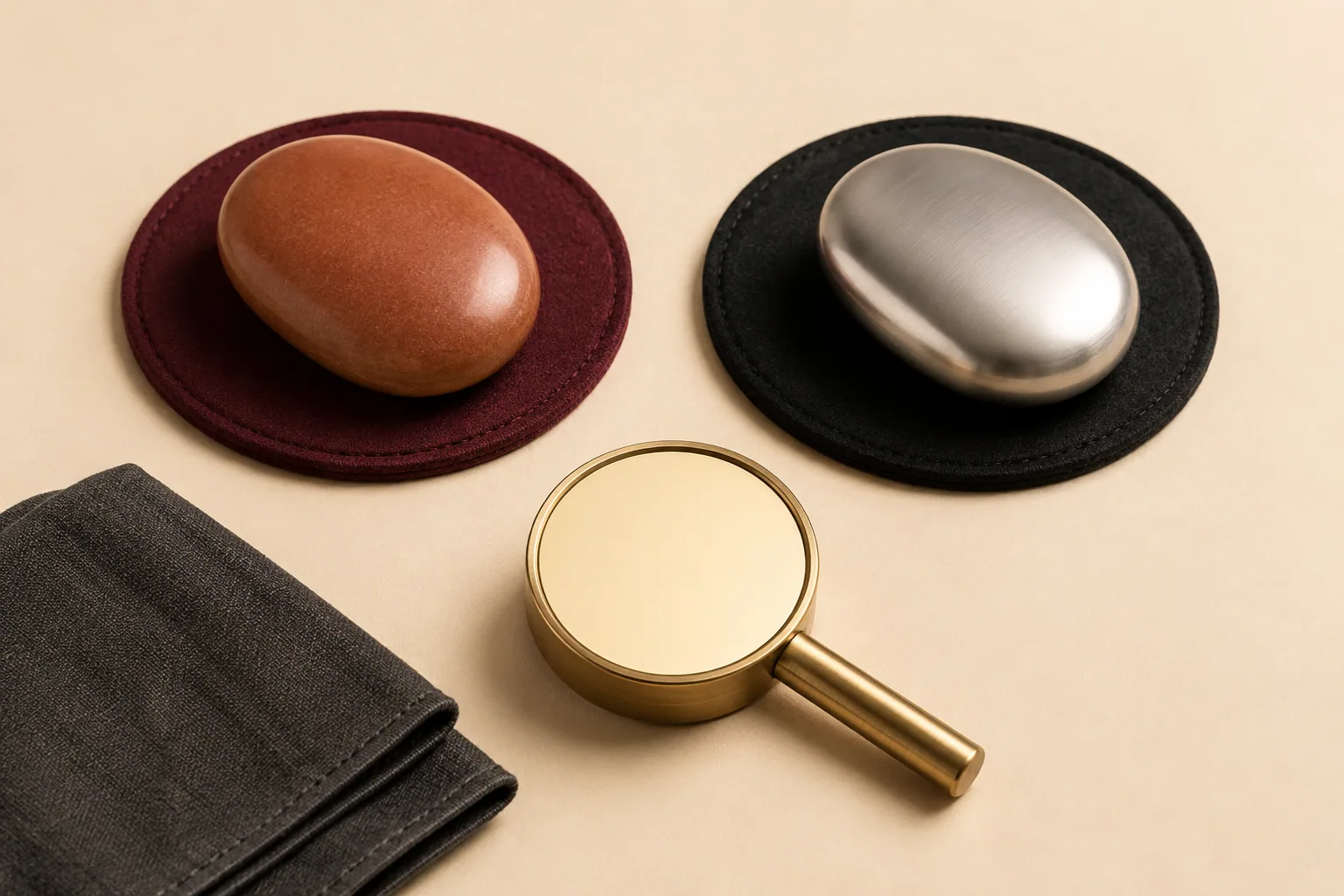
Sensation & activity
Illustration created using generative AI; not documentary evidence.
In brief
Everyday warmth and cold can still produce injury.
Temperature play uses warm or cool sensations as part of consensual adult sensory exploration. The phrase can make very different materials and exposures sound equivalent, although heat and cold can injure tissue and a person's ability to judge them varies. This page explains the category and warning boundaries without giving temperatures, exposure times or methods.
Evidence and individual perception
Direct temperature-play research is limited. Broader BDSM and injury studies show that sensation practices are diverse and that physical injuries occur, but they cannot validate a product, exposure or technique.
Temperature perception depends on environment, body site, circulation, medication, neuropathy and prior exposure. Pain is not a reliable safety instrument, and a consenting or experienced adult is not protected from tissue injury by confidence alone.

Direct temperature-play evidence is limited, and sensation varies with health, environment, body site and prior exposure. Confidence or pain alone cannot establish a safe exposure.
Illustration created using generative AI; not documentary evidence.- Status
- Detailed editorial draft
- Publisher
- The UK Kink Guide
- Reviewed
- Structured draft present; individual review date not recorded
- Evidence
- 6 cited sources · types labelled below
- Jurisdiction
- UK-focused general education
Read the rest: evidence, law, safety and sources
A subjective warm–cool difference whose comfort varies by person and environment.
Can retain or transfer heat unpredictably and may cause burns.
Can cause pain or cold injury, especially with impaired sensation or prolonged contact.
A specific heat-and-material category with separate burn and fire concerns.
Objects, materials and symbols
Associated objects may include unoccupied smooth stones, metal or glass props, reusable packs, warmed textiles, cool fabrics, cups or abstract colour cards. Material, mass, surface and stored energy affect heat transfer; two objects that feel alike in the hand may behave differently on skin.
Warm colours, misted glass, condensation or a contrast between metal and fabric can communicate the idea visually without direct body contact. Product descriptions do not make household items medical or specialist devices.
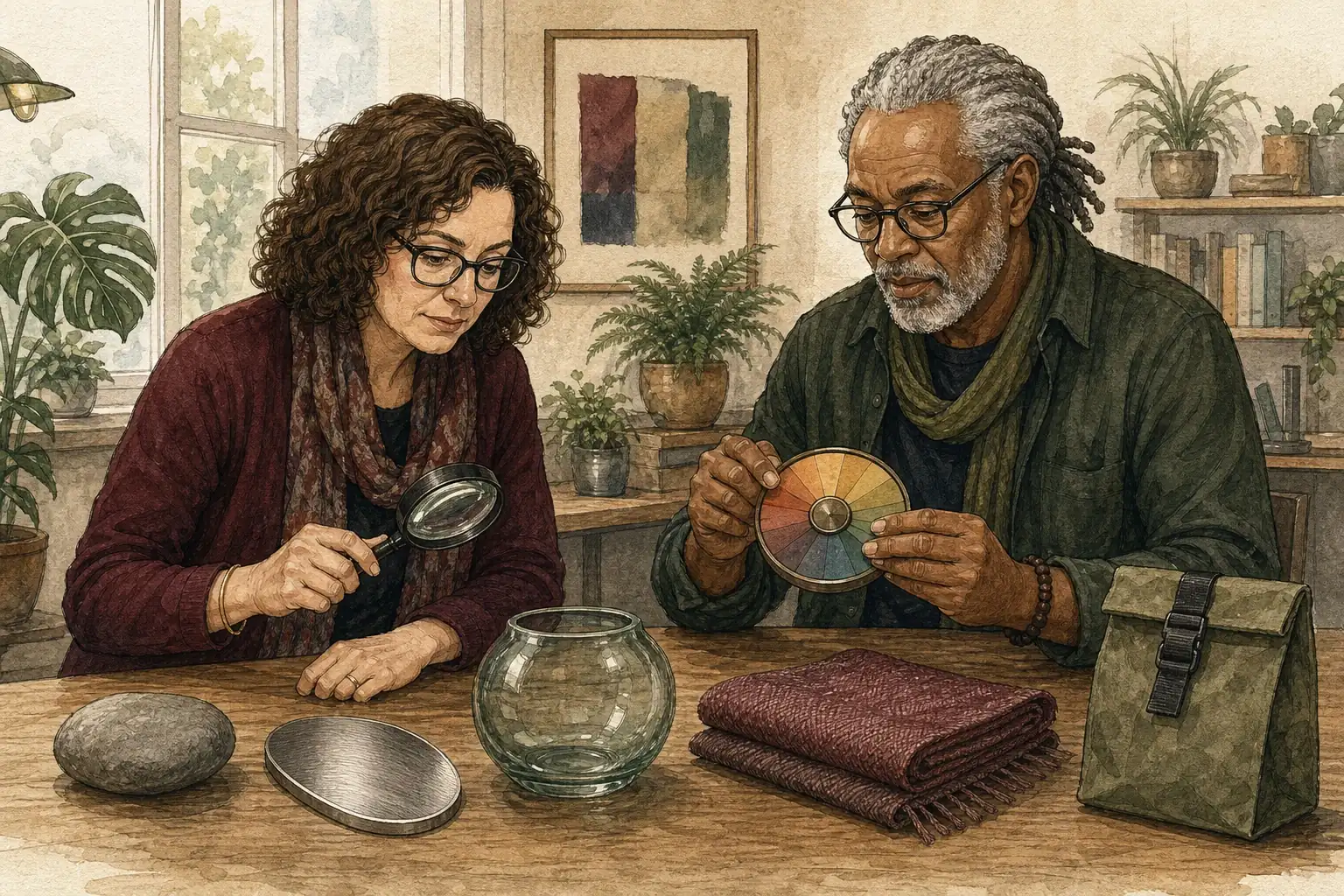
Material, mass, surface and stored energy affect heat transfer. Similar-looking objects can behave differently, so ordinary appearance is not a safety guarantee.
Illustration created using generative AI; not documentary evidence.Consent, health and warning signs
Agreement must cover the fact that temperature is involved, and anyone may withdraw before or during contact. Reduced sensation, poor circulation, skin disease and some health conditions can make feedback less reliable and deserve professional advice rather than guesswork.
NHS guidance treats burns and scalds as injuries requiring prompt first aid and identifies circumstances needing medical assessment. Blistering, discoloured skin, persistent numbness, severe pain or systemic symptoms should never be reframed as a normal scene outcome.
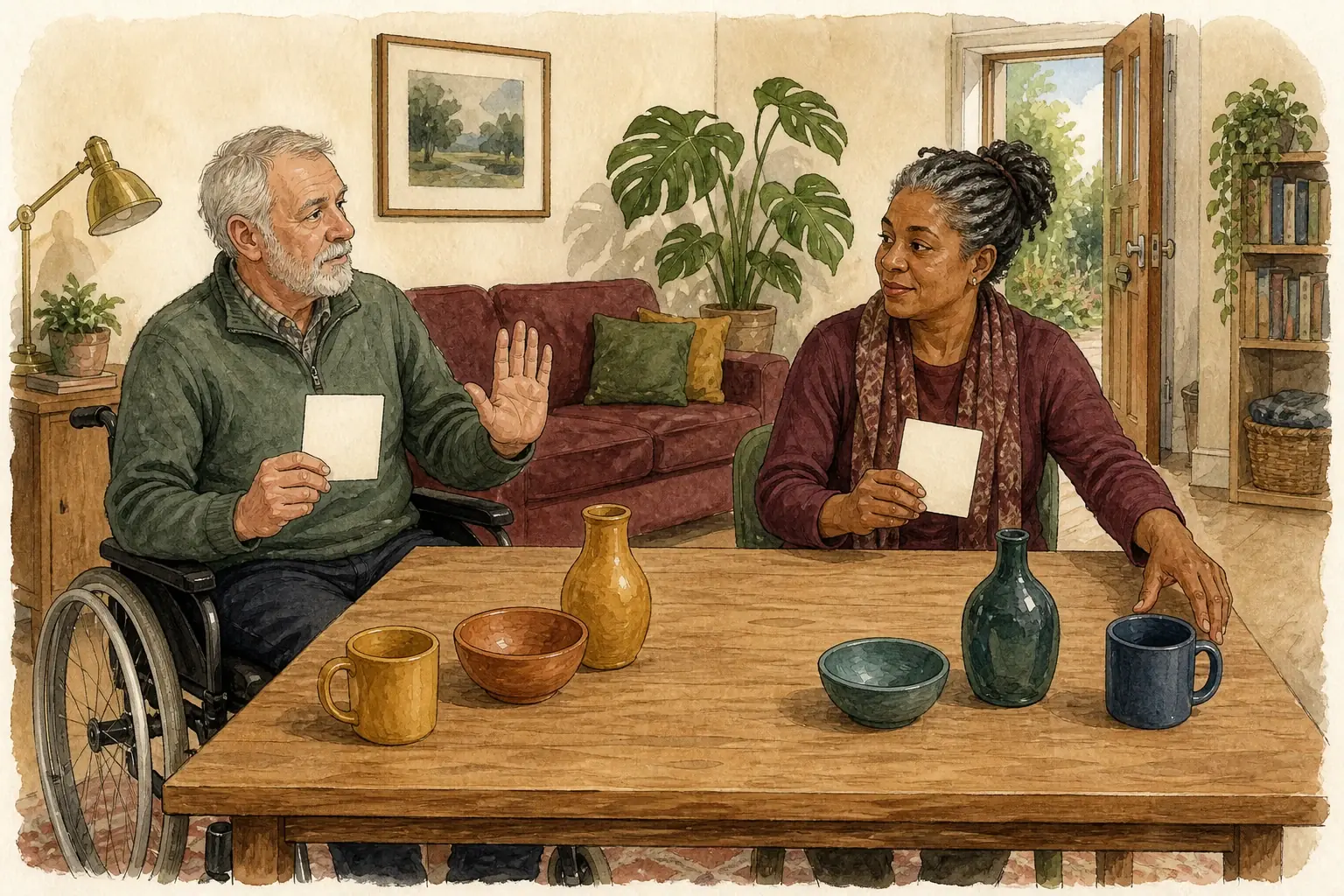
Consent must cover temperature specifically, and reduced sensation or circulation can make feedback unreliable. Warning signs need appropriate care rather than scene language.
Illustration created using generative AI; not documentary evidence.Clinical and legal distinction
WHO guidance does not treat consensual adult interest in temperature contrast as a disorder by default. Clinical concern depends on distress, impairment, serious risk or non-consent, not ownership of a warm or cool object.
Consent does not erase injury or UK legal limits on serious harm. A kink label cannot excuse ignored withdrawal, reckless exposure or domestic abuse, and first aid or emergency services take priority over preserving a scene.
Non-graphic examples
What the umbrella may include
- Discussing whether warm or cool contrast is welcome before an adult sensory scene.
- Using unoccupied objects and colour to illustrate the concept without skin contact.
- Choosing not to continue because medication or reduced sensation makes feedback uncertain.
- Treating a new material as a separate consent question rather than assuming equivalence.
- Seeking appropriate care for a burn or cold injury instead of relying on aftercare.
Prepare for an appointment
Questions you could ask a professional
- What information would help you understand my question?
- What are the realistic options and uncertainties?
- How can disability, communication or privacy needs be accommodated?
- When should the situation be reviewed again?
These prompts do not replace assessment and do not imply that every reader needs professional care.
Continue learning
Take the next step from definition to context.
Continue with independent guidance connecting temperature play to evidence, consent, safety, uncertainty and practical decisions.
Plan sensation play around the person, with specific limits, a working stop route, symptom awareness and UK support.
Read the guide