Also known as water interest · wet-look interest · aquatic fantasy
An umbrella for consensual adult sensory, aesthetic or ritual interests involving water, from rain imagery and bathing to wet clothing. Settings involving immersion or open water carry distinct hazards and are not interchangeable with ordinary wet-look play.
Sources and evidence type
Manual claim and limitation notes are shown where an individual source audit is complete. Other evidence-type labels are a publisher aid awaiting source-by-source confirmation.
Joyal, Cossette & Lapierre (2015), adult fantasy surveyResearch study
Source design
Peer-reviewed research or review
What it can support
The specific population, measures and findings reported by the paper.
Important limitation
It cannot automatically establish UK prevalence, causation, diagnosis, consent or an individual outcome. Check recruitment, definitions and study design.
The specific population, measures and findings reported by the paper.
Important limitation
It cannot automatically establish UK prevalence, causation, diagnosis, consent or an individual outcome. Check recruitment, definitions and study design.
The specific population, measures and findings reported by the paper.
Important limitation
It cannot automatically establish UK prevalence, causation, diagnosis, consent or an individual outcome. Check recruitment, definitions and study design.
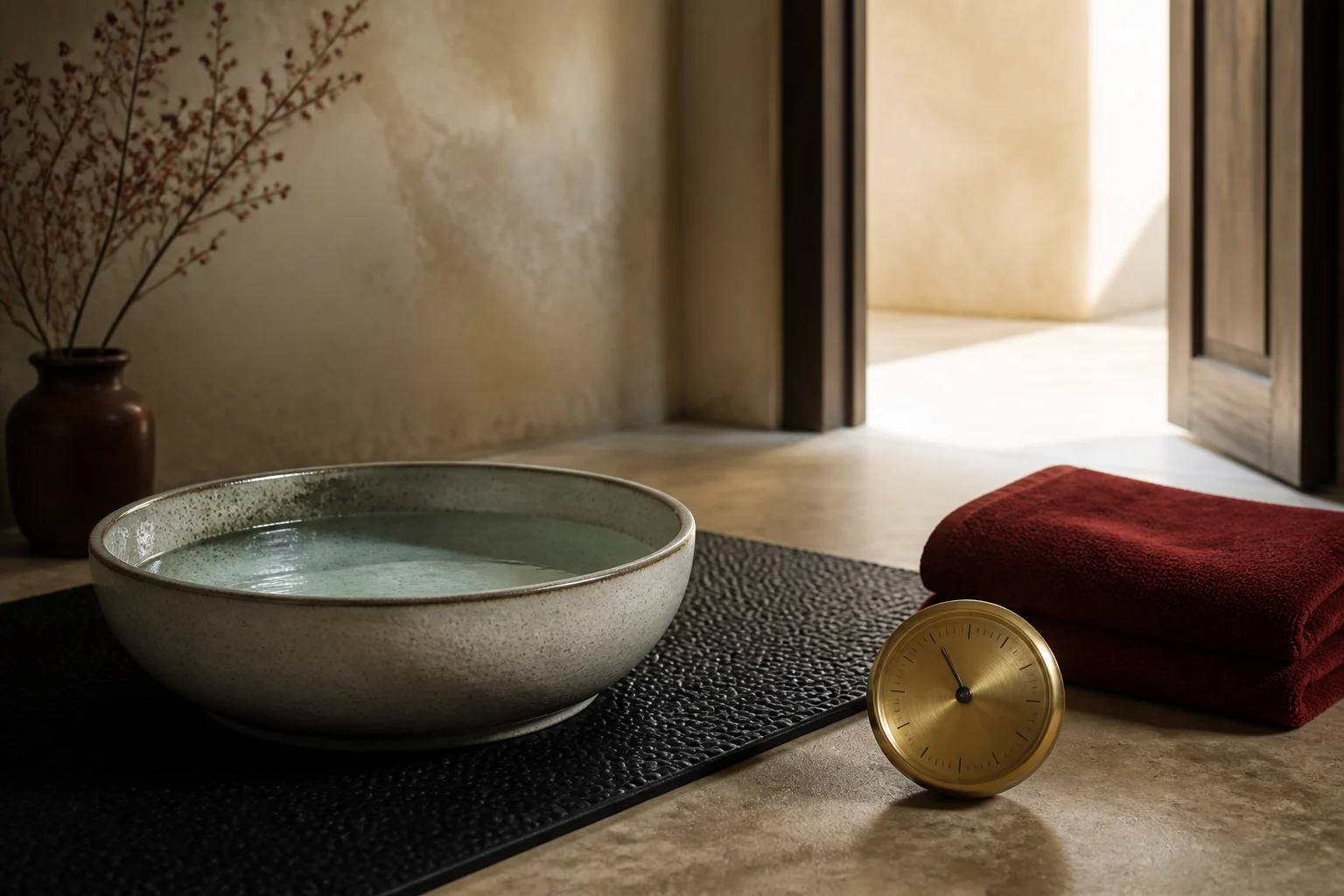
Illustration created using generative AI; not documentary evidence.
In brief
The same element can be an image, a sensation or a serious environment.
Water-based play is a broad adult interest in water's feel, sound, temperature, movement, reflection or effect on clothing and surroundings. It may involve a quiet bathing ritual, rain imagery, a wet-look aesthetic, shared care, humour or a sense of transformation; some adults prefer fantasy, photography or sound without entering water. The phrase does not identify a single activity or intensity. Consent to a shower, garment or image does not imply consent to immersion, public exposure, breath restriction or any other water setting.
What research can—and cannot—show
Direct peer-reviewed research on ordinary adult water-based interest as a distinct category is extremely limited. Joyal, Cossette and Lapierre's general-population study asked 1,516 adults about 55 fantasy themes, while Rehor's kink-community survey covered 126 behaviours among 1,580 adult women; neither isolated rain, bathing, wet clothing or water aesthetics as a comparable category.
Those studies support caution about treating unconventional fantasy content as inherently pathological and show that survey labels shape what can be counted. They cannot establish prevalence, causes, gender patterns or typical outcomes for water-based play. RNLI, NHS and HSE guidance informs environmental and bodily risk only; it is not research into why an adult finds water meaningful.
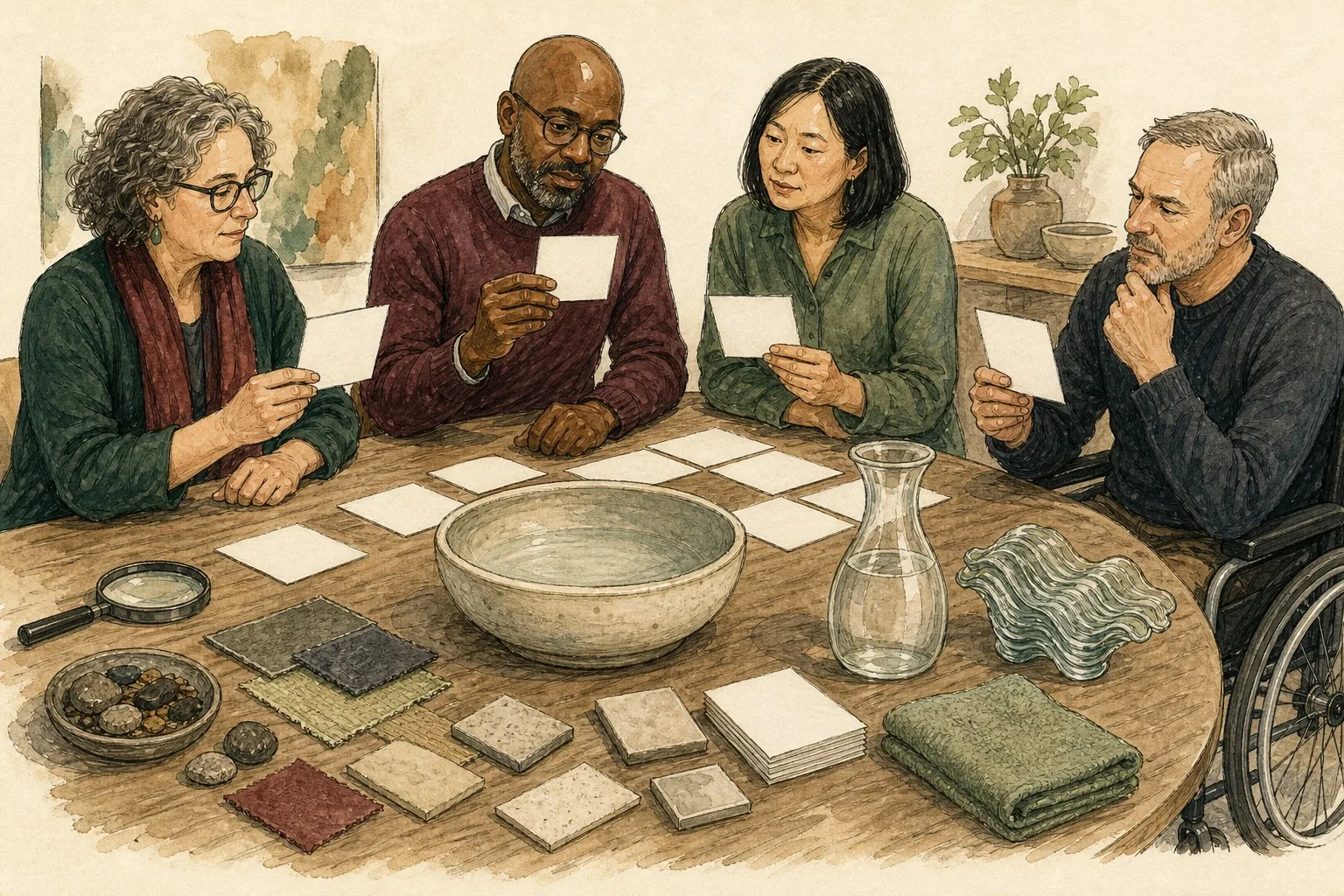
EDITORIAL ILLUSTRATIONOne label can hold different meanings
Water-related interests may emphasise sound, texture, temperature, symbolism or setting. Sparse evidence cannot establish one motivation, prevalence figure or participant profile.
Illustration created using generative AI; not documentary evidence.
Status
Detailed editorial draft
Publisher
The UK Kink Guide
Reviewed
Structured draft present; individual review date not recorded
Evidence
10 cited sources · types labelled below
Jurisdiction
UK-focused general education
Read the rest: evidence, law, safety and sources
Water-based play
The broad umbrella for adult sensory, aesthetic or ritual interests involving water, wetness or aquatic imagery.
Wet-look interest
A focus on the colour, sheen, weight or drape of wet adult clothing or textiles, which may not involve bathing or immersion.
Bathing or shower ritual
A private shared or solo routine centred on warmth, sound, care or transition. It may be intimate without being fetishistic.
Messy play / WAM
A related interest in wet or coating materials, residue and disorder. Plain water can overlap, but water interest need not involve mess.
Sound, temperature, movement and meaning
Running water, rainfall, ripples, reflected light, humidity, buoyancy, warmth, coolness and the changed weight or transparency of a textile can each be the main sensory feature. Symbolically, water may suggest care, renewal, calm, exposure, playfulness or a transition between roles. These associations are personal rather than universal and do not establish a power dynamic.
Fantasy and environment should remain distinct. An adult may enjoy aquatic fiction, a rain soundtrack or a photograph of wet fabric without wanting physical contact. A preference for bathing does not imply an interest in pools, open water or submersion, and an outdoor swimming activity is not evidence of a fetish.
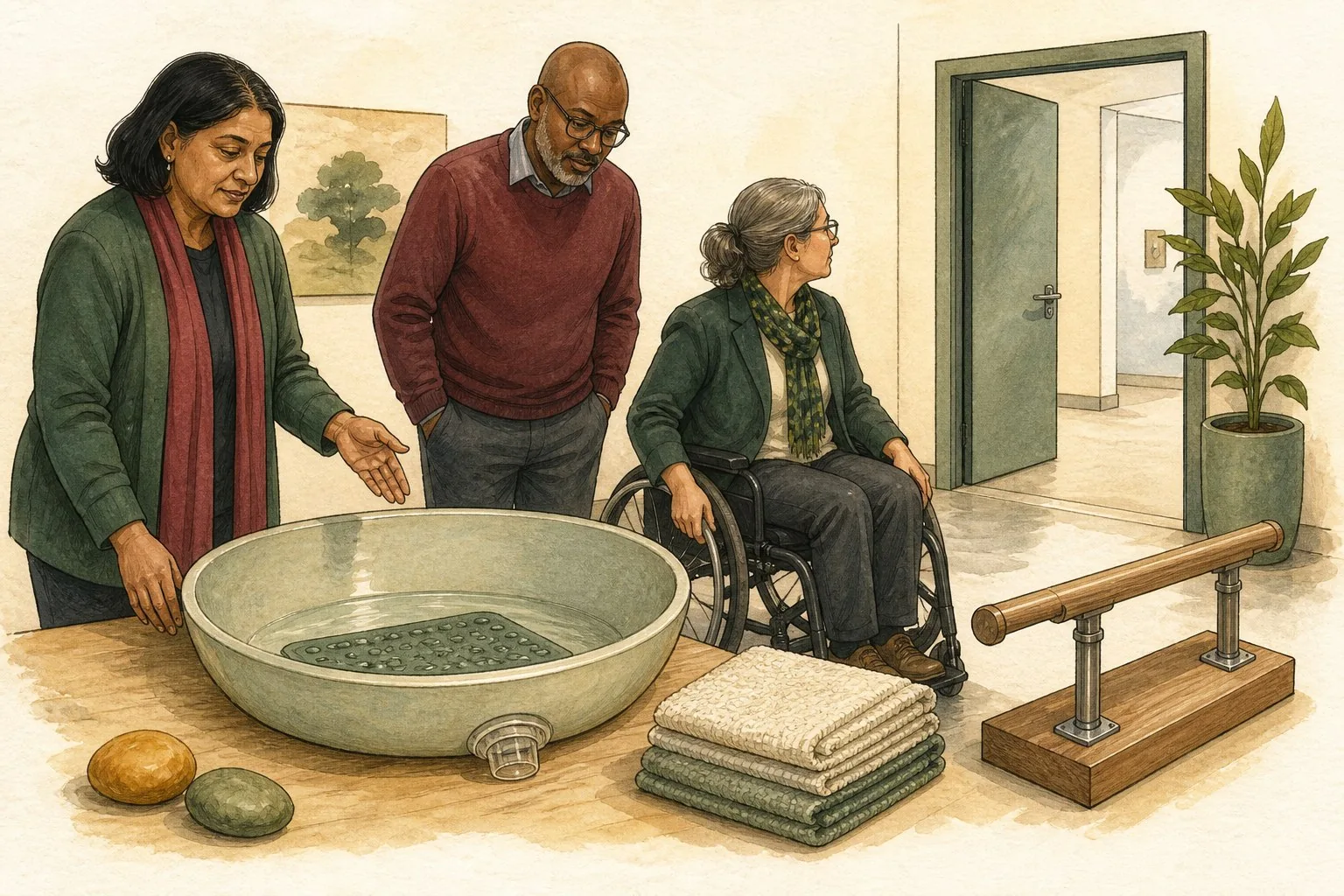
EDITORIAL ILLUSTRATIONMake access, grip and temperature visible
Shallow water can still create slip, temperature, skin and mobility concerns. Stable supports, a clear route and an ordinary way to stop take priority over the scene.
Illustration created using generative AI; not documentary evidence.
Objects, garments and accessible cues
Adult-sized swimwear, a robe, towels, a plain basin, water-resistant outerwear, textured bath mats, reflective glass, blue-grey lighting and samples of dry and damp fabric can represent the theme without explicit imagery. Absorbency, cling, weight, temperature, sound and reflected light may matter more than the quantity of water itself.
Audio description, rainfall recordings, high-contrast reflective objects and tactile textile samples can provide alternatives to immersion or visually complex scenes. Wet garments and floors can change weight, grip, balance and transfer needs, while steam and running water can affect hearing or communication. Mobility, temperature regulation, sensory sensitivity, skin conditions and assistance with changing deserve separate consideration.
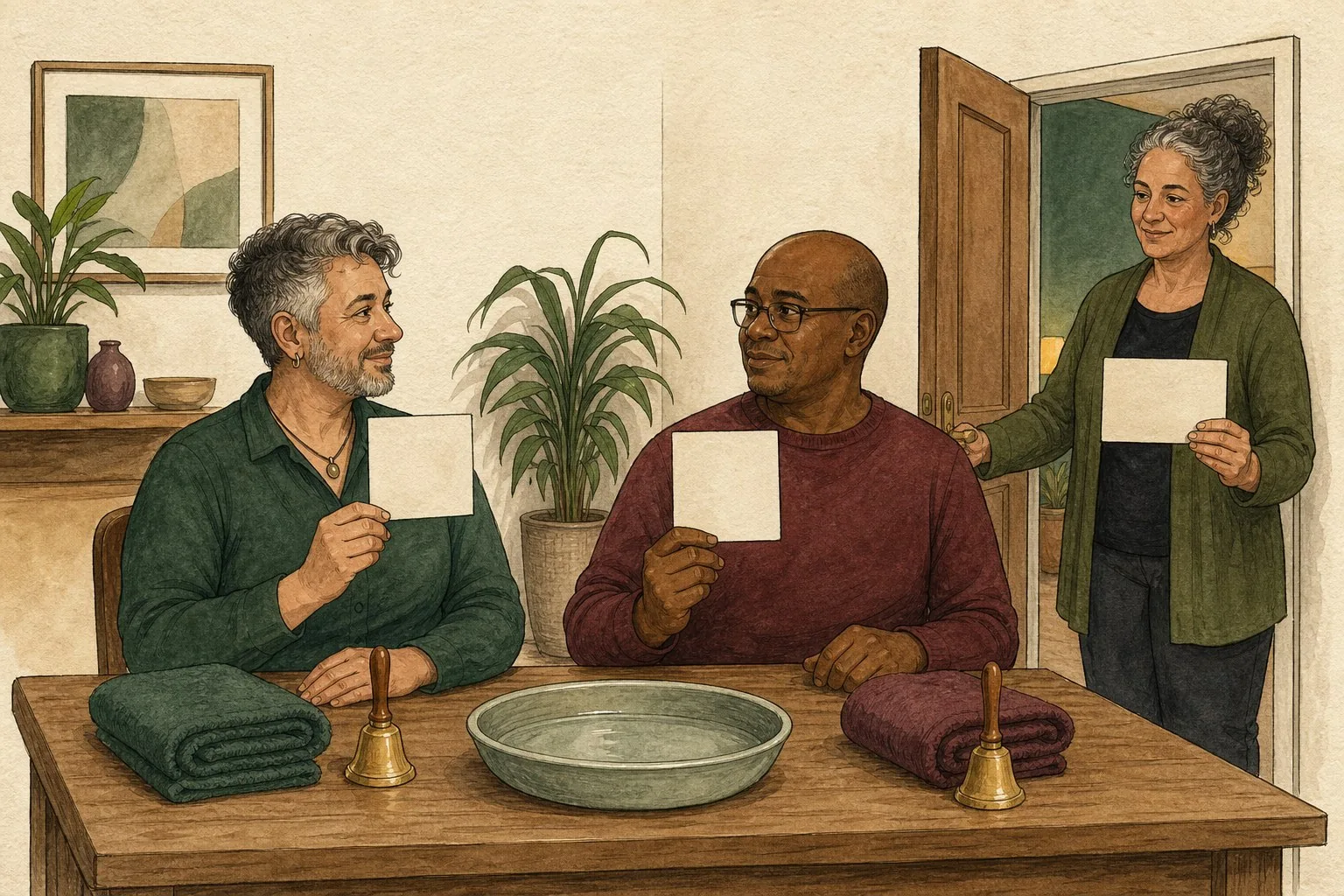
EDITORIAL ILLUSTRATIONWater never removes the right to stop
Depth, temperature, touch, clothing, photographs and assistance require separate agreement. Distress, breath difficulty, confusion or loss of footing needs immediate practical attention.
Illustration created using generative AI; not documentary evidence.
Consent, environmental risk and clinical distinction
Agreement should identify the exact setting, water contact, temperature, clothing, touch, privacy, photographs and how either adult leaves or stops. Dunkley and Brotto's review describes negotiation and continuing communication as recurring BDSM consent practices; water, noise or wet clothing must not remove an ordinary way to communicate. In England and Wales, section 74 of the Sexual Offences Act 2003 centres choice, freedom and capacity; other UK jurisdictions have their own law.
RNLI guidance states that water below 15°C can seriously affect breathing and movement; NHS guidance identifies hypothermia, scalds and contact dermatitis as relevant harms, and HSE guidance notes the slip risk from wet floors. Consent does not remove drowning or temperature risk. This guide excludes forced submersion, breath restriction and any setup that prevents exit. A consensual adult interest is not a paraphilic disorder by default: WHO guidance focuses on marked distress, significant impairment, serious risk or non-consent.
Non-graphic examples
What the umbrella may include
An adult enjoying a rain soundtrack and reflected-water imagery without wanting physical water contact.
Two adults sharing a private bathing ritual centred on warmth, conversation and the option for either to leave.
An adult appreciating how an adult-sized outer garment changes colour and drape when wet.
A photographer arranging towels, glass and damp textile samples for an object-only study of reflection and texture.
Stopping when either adult feels cold, dizzy, unsteady, unable to communicate clearly or simply changes their mind.
Prepare for an appointment
Questions you could ask a professional
What information would help you understand my question?
What are the realistic options and uncertainties?
How can disability, communication or privacy needs be accommodated?
When should the situation be reviewed again?
These prompts do not replace assessment and do not imply that every reader needs professional care.
Continue learning
Take the next step from definition to context.
Continue with independent guidance connecting water-based play to evidence, consent, safety, uncertainty and practical decisions.