
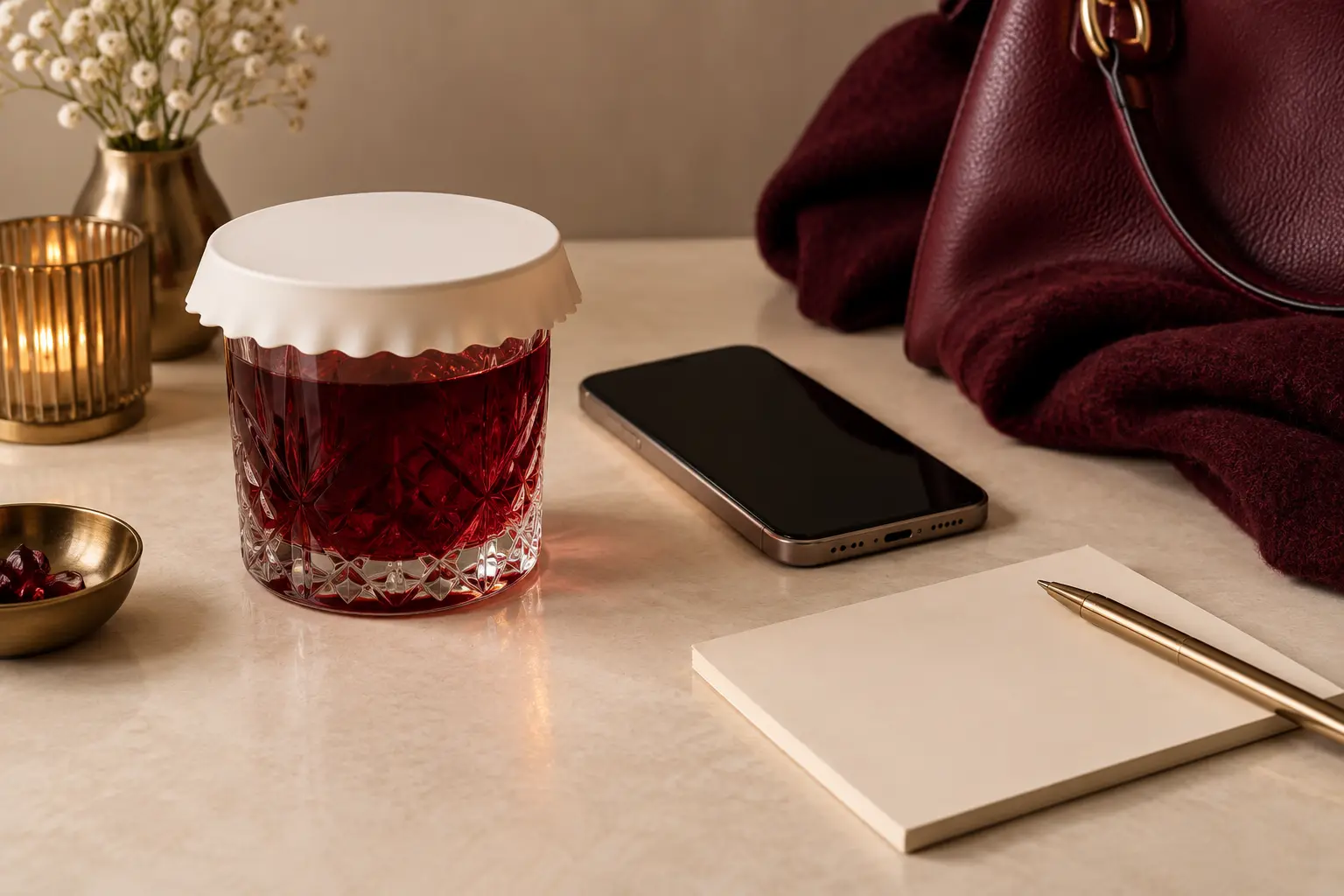
If you think someone was spiked
Spiking means giving someone alcohol or a drug without their knowledge or permission; it can involve a drink, food or other routes and affect capacity to consent. Police.uk describes these forms. A person may feel suddenly more intoxicated than expected, confused, dizzy or unwell, but symptoms alone cannot establish what happened. Illness, alcohol and other causes can overlap. Take the concern seriously without demanding that the person prove it before they receive help.
Move somewhere safer, tell a trusted person or venue staff, and do not leave someone who is very unwell alone. Call 999 if they are unconscious, having trouble breathing, having a seizure or in immediate danger. Give responders what you know, even if details are incomplete. Police.uk's immediate-help advice gives steps for the person and companions. This is about care first; friends should not confront a suspected perpetrator or try to conduct a private investigation.
Health care and a place to talk
If there is injury, persistent confusion or another worrying symptom, seek medical advice urgently. A healthcare team assesses clinical needs; its tests and records are not automatically the same as police forensic evidence. Tell clinicians if you suspect unwanted sexual contact, exposure to an infection or a pregnancy concern. They can discuss appropriate time-sensitive options and referrals without a self-diagnosis. Do not wait for certainty about a substance before asking for care.
In England, NHS sexual-assault referral centres offer medical, practical and emotional support after sexual assault. The NHS says you can contact a centre without reporting to police. Scotland, Wales and Northern Ireland have their own local health and specialist routes; use UK help or a local NHS/HSC service. If you are supporting a friend, ask what they want, offer a quiet place and practical choices, and avoid making a report on their behalf unless emergency safety requires it.
Police reporting and evidence
For an emergency call 999; for a non-emergency police report use 101 or your force's online route. Police.uk's reporting guide explains what can be shared even if you do not know the substance, suspect or exact time. Report as soon as possible if you want the police to consider forensic sampling: some substances leave the body quickly, and collection windows vary. An investigation may use statements, CCTV and other evidence as well as toxicology.
Police.uk's evidence page explains that a negative toxicology result does not necessarily mean spiking did not happen. Do not delay healthcare to save a drink or clothing item. If safe and available, keep relevant messages or note who was present and approximately when symptoms began; police can advise about preserving items and venue footage. A consumer drink-testing kit is not a substitute for medical assessment or forensic investigation. Reporting is a choice for the person affected where no immediate safeguarding duty changes that situation.
The 2026 spiking provision and its status
Section 134 of the Crime and Policing Act 2026 creates an express offence of unlawfully administering a harmful substance, including by spiking, with intent to injure, aggrieve or annoy. The Act replaces the wording of section 24 of the Offences Against the Person Act 1861 in the places where this provision applies. The explanatory notes describe its extent as England and Wales and Northern Ireland; it is not a Scotland-wide criminal code. The provision concerns administration and intent, not a requirement that sexual assault occurred.
As checked on 3 October 2026, legislation.gov.uk labels section 134 prospective: the Act is enacted but this section is not yet in force. Section 255 sets the commencement mechanism, including separate arrangements for Northern Ireland. Readers should check the live provision and its 'changes to legislation' status before relying on it. Existing offences and investigation routes remain relevant in the meantime. This is legal information, not legal advice or a verdict on an individual incident; Scotland has its own law and needs jurisdiction-specific advice.
Consent, memory and blame
A person who drank voluntarily can still have been spiked; the question is whether someone administered something without their permission. Likewise, choosing to attend a party, meet someone or flirt does not amount to consent to sexual contact. A memory gap neither proves nor disproves an assault; withdrawal of consent remains a separate question. Alcohol, drugs, chemsex and consent explains the difference between a substance and the person's freedom and capacity to choose, while consent, capacity and coercion explores the legal and practical boundaries.
Avoid blaming someone for a drink they accepted or a place they visited. If they want to record their own account, let them use their words and date it; do not fill the gaps with guesses or social media claims. Do not share someone else's name, images, health details or alleged perpetrator identity publicly as a way to seek validation. The person may need privacy to obtain care and decide whether to speak with police. Their reactions may change over time, and support is still appropriate if an incident was weeks or months ago.
Common questions after suspected spiking
Can a hospital confirm spiking? It can assess and treat health needs, but it may not provide the same forensic testing as police. Is a negative result decisive? No; timing and the range of tests matter. Must I know what was used before reporting? No. Must I report before seeking sexual-assault support? The NHS says no for its England referral-centre route. Can police act if the drink is gone? They can assess other evidence; tell them what you remember.
Is the 2026 offence already operational? As at 3 October 2026, section 134 is enacted but prospective on legislation.gov.uk. Is the law identical across the UK? No; the section's extent and commencement differ, and Scotland has a separate system. Does a prior agreement to have sex settle capacity later? No. Is all unexpected intoxication spiking? Symptoms alone cannot determine cause; seek help for the risk and allow investigation to establish facts.
UK routes after suspected spiking
Call 999 for danger or a medical emergency; 101 or the local police online form for a non-emergency report. Read Police.uk's spiking hub for current police guidance and the NHS sexual-assault page for care in England. A local sexual-health clinic can assess STI and pregnancy concerns. For other UK nations, use local NHS/HSC sexual-health and assault support services and the site's UK help directory.
If you are deciding whether to report, ask a support worker what medical care, forensic options and privacy rules apply to you; you do not need to solve the legal question alone. To check the 2026 law, open the official section and commencement provision, then check any new commencement orders. An individual case needs advice in its jurisdiction. Seek help even if the exact route of exposure cannot be established.