Impact play is a broad term for consensual adult striking used for sensation, sound, rhythm, symbolism or power exchange. It describes an agreed activity, not one fixed intensity, body area or object.
 The UK Kink GuideEvidence-led glossary
 Back to the glossarySensation & activityIn plain English Words in context A non-graphic adult example What not to assume
Impact play
A broad term for consensual striking used to create sound, rhythm, sensation or power exchange. Tools and intensity vary widely, and apparently similar activities can carry very different injury risks.
Start here
New to this term?
Spanking is one possible subset of impact play. Top and bottom describe activity roles in a particular context and do not automatically mean dominant and submissive. A prop may carry symbolic meaning even when contact is light or simulated.
Two adults might agree that a particular sound or light rhythmic contact marks part of a role-play, while another pair may use the term for a very different experience. The label alone never supplies the agreement.
Consensual impact play is not the same as assault, and consent can be withdrawn at any time. Greater force can increase the chance of bruising or serious injury; this guide does not provide technique instructions or certify any method as safe. Research can describe reported practices and consent processes, but not predict an individual's outcome. UK law also limits consent as a defence to serious harm.
Sources and evidence type
Manual claim and limitation notes are shown where an individual source audit is complete. Other evidence-type labels are a publisher aid awaiting source-by-source confirmation.
Drouin et al. (2023), BDSM-related injury surveyResearch study
- Source design
- Peer-reviewed research or review
- What it can support
- The specific population, measures and findings reported by the paper.
- Important limitation
- It cannot automatically establish UK prevalence, causation, diagnosis, consent or an individual outcome. Check recruitment, definitions and study design.
Dunkley & Brotto (2020), BDSM consent reviewResearch study
- Source design
- Peer-reviewed research or review
- What it can support
- The specific population, measures and findings reported by the paper.
- Important limitation
- It cannot automatically establish UK prevalence, causation, diagnosis, consent or an individual outcome. Check recruitment, definitions and study design.
Wuyts & Morrens (2022), BDSM systematic reviewResearch study
- Source design
- Peer-reviewed research or review
- What it can support
- The specific population, measures and findings reported by the paper.
- Important limitation
- It cannot automatically establish UK prevalence, causation, diagnosis, consent or an individual outcome. Check recruitment, definitions and study design.
NHS, first aidClinical guideline
- Source design
- Current public-health or clinical guidance
- What it can support
- Service pathways, health definitions and recommended public-health or clinical actions within its stated scope.
- Important limitation
- General guidance cannot assess an individual’s symptoms, exposure, medicine, contraindications or urgency.
Domestic Abuse Act 2021, section 71Law or regulator
- Source design
- Primary legislation, prosecutorial or regulator guidance
- What it can support
- The legal provision or official regulatory position for the jurisdiction and date stated.
- Important limitation
- It is not fact-specific legal advice. Commencement, amendments, jurisdiction and case law may affect application.
WHO ICD-11 clinical requirements (2024)Clinical guideline
- Source design
- Current public-health or clinical guidance
- What it can support
- Service pathways, health definitions and recommended public-health or clinical actions within its stated scope.
- Important limitation
- General guidance cannot assess an individual’s symptoms, exposure, medicine, contraindications or urgency.
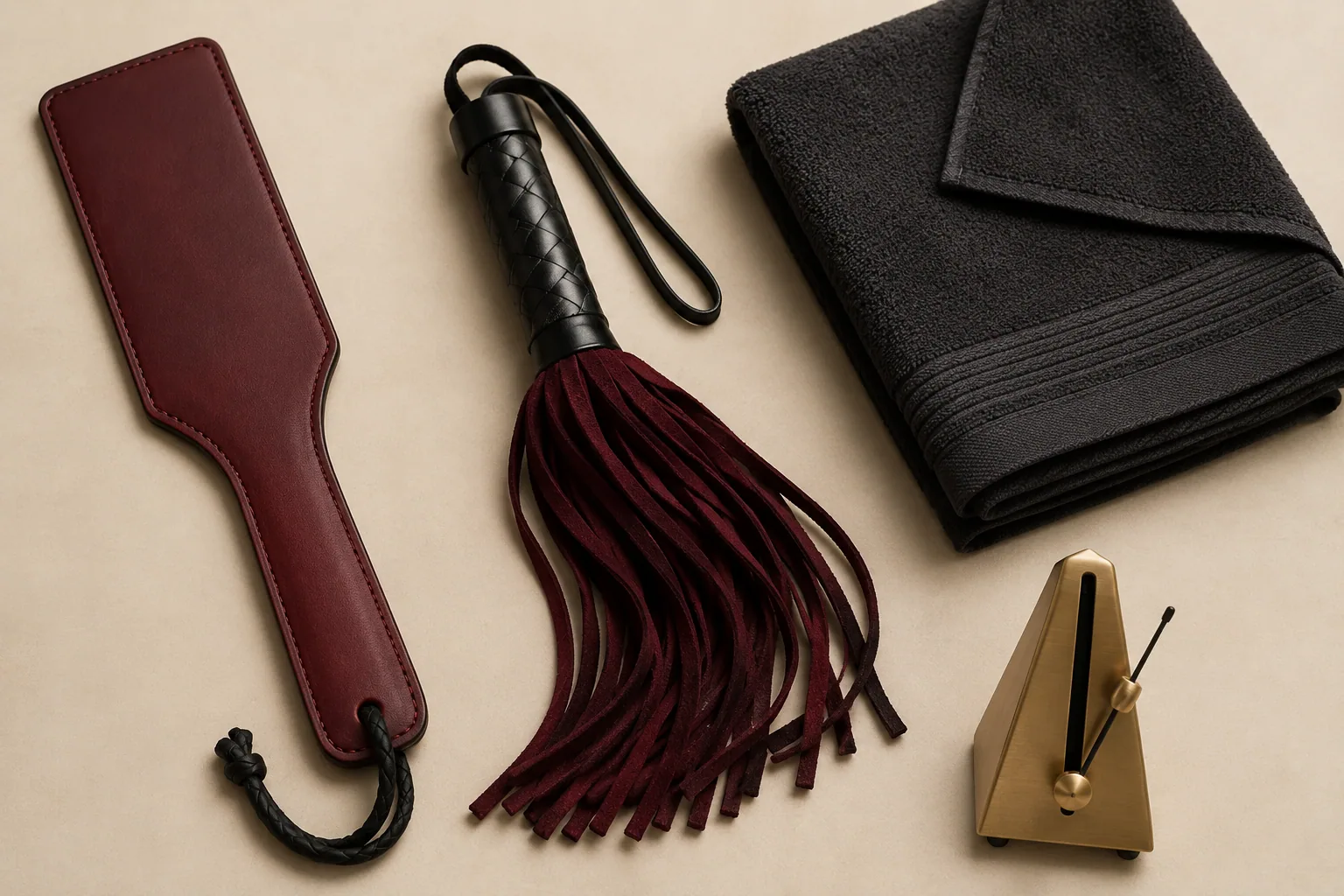
Sensation & activity
Illustration created using generative AI; not documentary evidence.
In brief
A familiar label can conceal very different intensities and risks.
Impact play is a broad adult term for negotiated striking used for sensation, sound, rhythm, ritual or power exchange. It covers activities with very different physical and emotional effects, so a shared label is not evidence that two people mean the same thing. This page explains terminology, consent and recognised risks without teaching anatomy, equipment use or technique.
What the evidence covers
Rehor's community survey records a wide range of adult kink behaviours, while reviews by Dunkley and Brotto and by Wuyts and Morrens place consent and context at the centre of interpretation. These studies do not establish that a named practice is safe or beneficial for every participant.
Drouin and colleagues' survey of BDSM-related injuries shows that injuries do occur in community samples. Self-reported survey data cannot supply a universal risk rate or validate a particular technique, but it contradicts the idea that experience or consent removes physical risk.

Impact-play studies describe varied practices and meanings but do not establish an injury-free force, rhythm or object. Individual reports should not be turned into technique rules.
Illustration created using generative AI; not documentary evidence.- Status
- Source-checked editorial page
- Publisher
- The UK Kink Guide
- Reviewed
- Completed 2 September 2026
- Evidence
- 6 cited sources · types labelled below
- Jurisdiction
- UK-focused general education
Read the rest: evidence, law, safety and sources
Sensation or sound may be the focus, but consent and physical risk still require attention.
Greater force may increase the chance of bruising or more serious injury; this page gives no technique guidance.
A sound, gesture or prop may carry ritual meaning without significant physical contact.
Unwanted striking, ignored withdrawal or violence outside the agreed scope is not impact play.
Objects, sound and symbolism
Associated objects may include an unoccupied paddle, crop-like prop, percussion-style item, protective clothing, timer, boundary card or aftercare object. Material, weight, flexibility and condition affect what an object does, so visual similarity does not make items equivalent.
For some adults, sound, anticipation, counting, costume or a repeated ritual matters more than pain. Objects can also represent discipline or status. None of those meanings authorises contact, and owning equipment is not evidence of competence or consent.
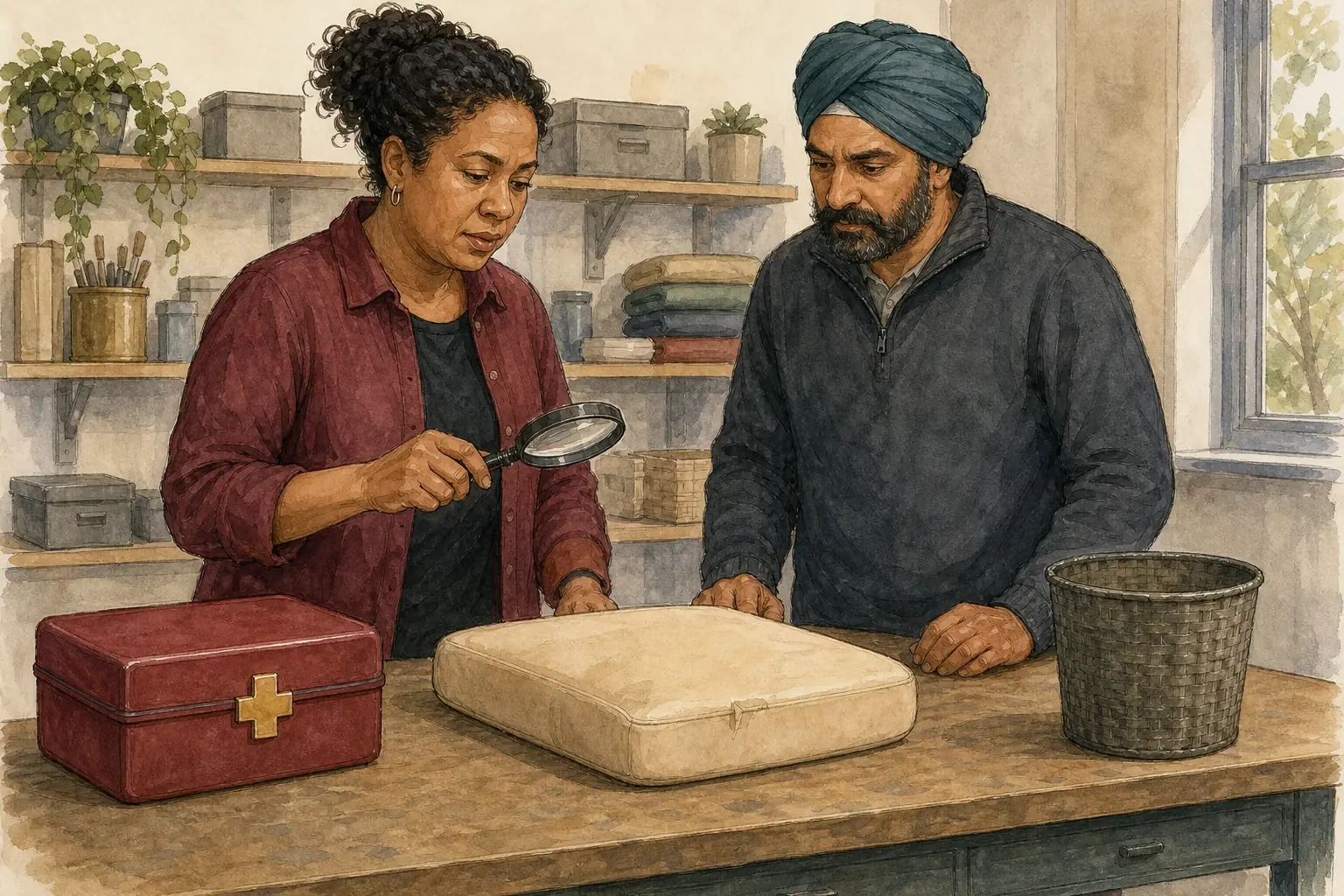
Sound, appearance and ritual may carry meaning, but no prop guarantees a predictable bodily effect. Wear, condition, environment and the people involved all change risk.
Illustration created using generative AI; not documentary evidence.Consent, communication and injury
Agreement needs to cover the actual activity, intensity, marks, health considerations and ways to stop. A safeword supplements ordinary language and observation; silence, freezing, dissociation or inability to respond cannot be treated as permission.
NHS first-aid guidance is appropriate when there is injury, and urgent symptoms require professional help. Aftercare may support comfort but cannot reverse tissue injury or repair a consent violation.
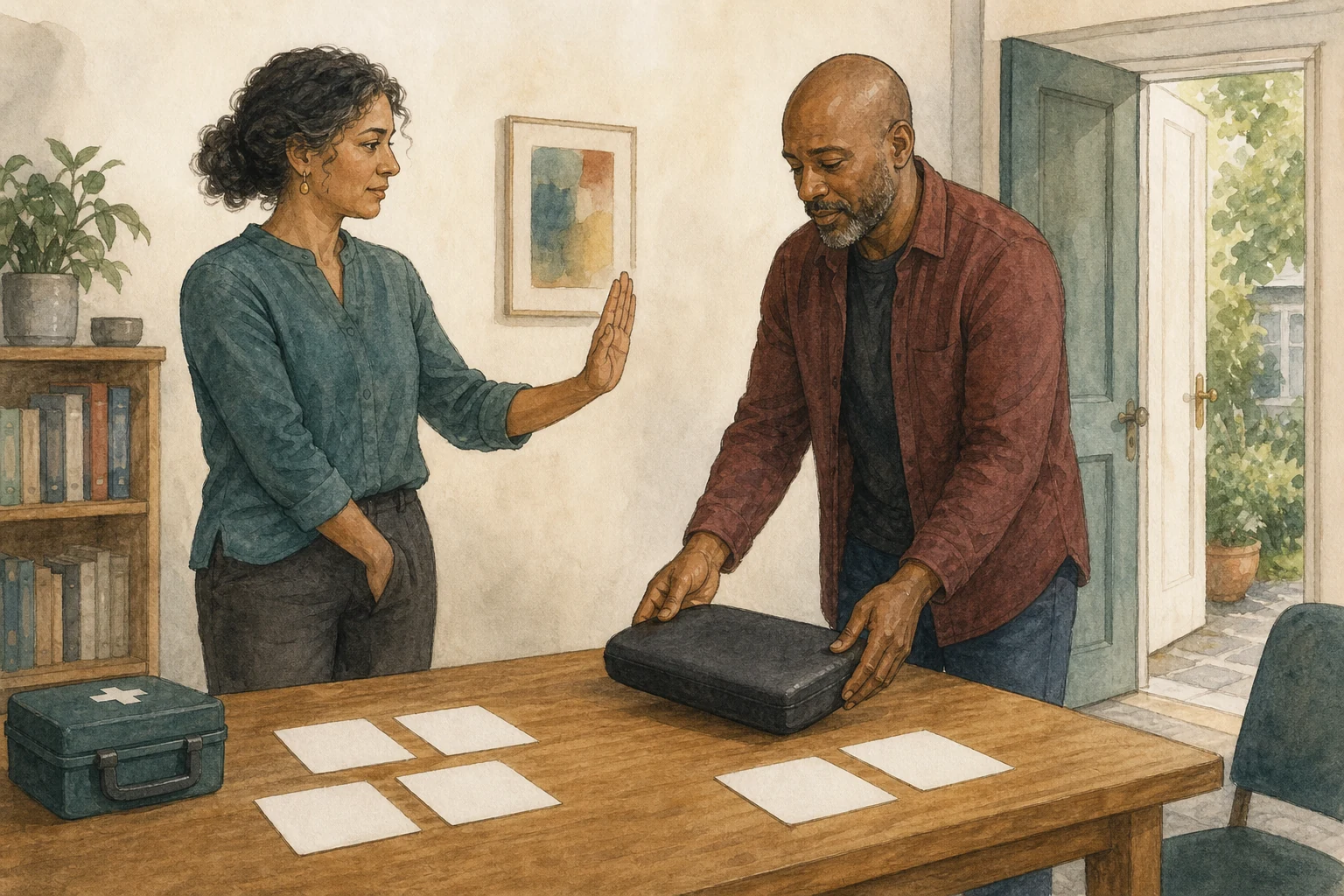
A stop signal, ordinary withdrawal, distress or loss of capacity requires an immediate stop. Agreement to one form or intensity does not authorise anything beyond it.
Illustration created using generative AI; not documentary evidence.Clinical and UK legal boundaries
Consensual adult impact interest is not a paraphilic disorder by default. WHO guidance separates atypical interests from disorders by considering distress, impairment, serious risk and non-consent.
UK law does not make all injury lawful merely because adults agreed. In England and Wales, section 71 of the Domestic Abuse Act 2021 limits consent as a defence to serious harm for sexual gratification. Other jurisdictions have their own law; a kink label never excuses assault or domestic abuse.
Non-graphic examples
What the umbrella may include
- Using an unoccupied prop as a symbolic object in a negotiated adult scene.
- Agreeing that sound and rhythm, rather than force, are the intended focus.
- Discussing visible marks and health concerns as separate consent questions.
- Stopping when words, behaviour or wellbeing indicate uncertainty.
- Seeking appropriate medical help rather than assuming aftercare is treatment.
Prepare for an appointment
Questions you could ask a professional
- What information would help you understand my question?
- What are the realistic options and uncertainties?
- How can disability, communication or privacy needs be accommodated?
- When should the situation be reviewed again?
These prompts do not replace assessment and do not imply that every reader needs professional care.
Continue learning
Take the next step from definition to context.
Continue with independent guidance connecting impact play to evidence, consent, safety, uncertainty and practical decisions.
Non-graphic guidance on consent, bruises, healthcare conversations and England-and-Wales injury law.
Read the guideRelated in-depth reading
Read the full guide.
Explore a connected question with context and UK support routes.
A non-instructional guide to adult spanking, consent, safer and higher-risk body areas, marks, aftercare and the UK legal context.
Read the full guide Consent & relationshipsMarking kink: meaning, consent and aftercareA non-graphic guide to temporary marks and symbols, privacy, skin concerns, consent and when a mark needs medical care.
Read the full guide Consent & relationshipsFlogging and caning: risk and aftercareHow flogging and caning differ as impact-play terms, with consent, injury warning signs, aftercare and UK legal context.
Read the full guide UK lawOperation Spanner and R v Brown: the case explainedOperation Spanner (1987) led to R v Brown: the House of Lords ruled consent was no defence to injury in that case. Read what the courts decided and why.
Read the full guide Community & cultureList of kinks and fetishes: an A–Z of 120+ termsList of kinks and fetishes: 120 A–Z terms with plain definitions, glossary links and UK guidance on consent, boundaries and finding help.
Read the full guide