
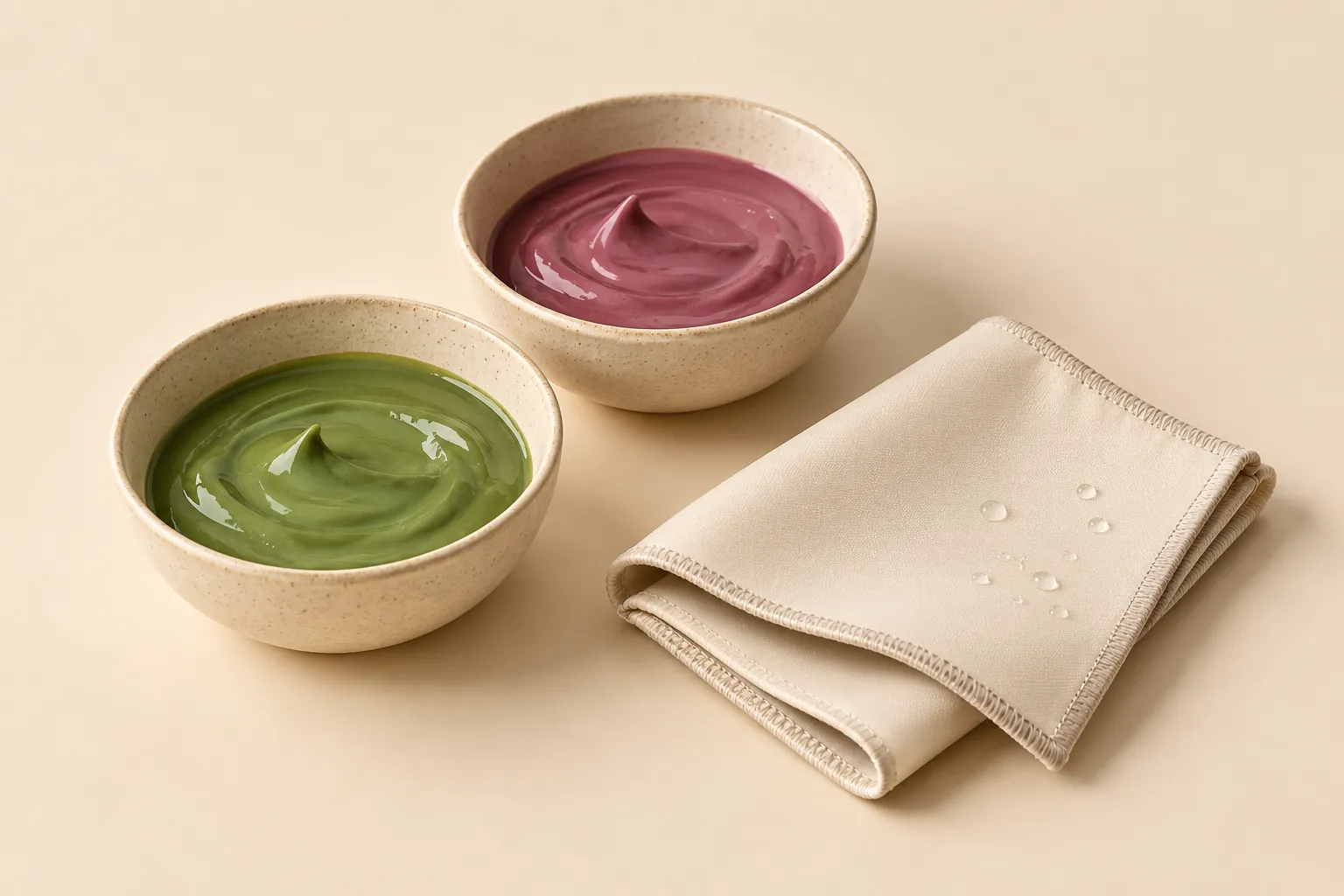
WAM means wet-and-messy play; “sploshing” is often used for playful mess involving washable substances. Adults may enjoy the texture, humour, appearance or shared experimentation for different reasons. The labels do not tell you which substance, setting or level of mess someone wants. Begin with separate agreement about materials, clothing, allergies, boundaries and clean-up, and keep faces and airways clear.
Understand the interest without assumptions
Some people prefer a wet garment without a coating; others prefer a coloured material on an easy-to-clean surface. The experience can be sensory, visual or simply a shared joke. Ask the person what they actually mean by the label and what they do not want. No one needs to justify an interest by claiming a universal reason for it.
A beginner can explore a very small, reversible version in private. A damp fabric, washable mat or a little clearly identified substance is easier to assess than a complex setup. Agree the duration, who may see it, and whether any photographs are wanted. Keep a route to dry clothes and a clean floor. Food, water and messy play safety covers the materials and warning signs in detail.
The difference between wetlook and messy play matters. Wetlook focuses on the appearance or sensation of wet clothing; a messier activity involves contact with another material and more extensive cleanup. Someone may enjoy one and dislike the other. Do not assume consent to food, foam, slime or mud because a person liked water.
Negotiate materials and boundaries
List every material before using it. Read labels and warnings, identify ingredients relevant to allergies, and avoid products of unknown composition. Discuss where a substance may touch, how much will be used and which surfaces need protection. A food item that is harmless to eat is not automatically comfortable on skin or safe near eyes. Keep food that has touched skin or a floor out of later consumption.
Agree whether a person wants ordinary clothes, a dedicated washable outfit or only a small fabric sample. A garment may become heavy, cling or restrict movement when wet. Check the wearer's ability to remove it, temperature comfort and the surface underfoot. Use a non-slip area and keep exits clear. The wetlook guide focuses on clothing choices and drying.
Make photography a separate opt-in. A playful scene can reveal a person's home, body or private interest. Agree whether images are taken, where they live and who may see them. Do not assume an event or community setting permits mess or photography; read its rules and respect other people's space.
Keep the first plan manageable
Choose a small area that can be cleaned thoroughly and will not create a slip hazard for someone entering later. Put down suitable protection and have towels, water and a bag for used materials ready before starting. An accessible route to a bathroom matters more than an elaborate visual plan. If a shared home is involved, consider the privacy and safety of other residents.
Agree a plain stop phrase and a check-in point. Add one change at a time, and stop for itching, pain, coughing, eye exposure, dizziness, loss of grip, shivering or distress. A person may be reluctant to interrupt because cleanup has already been prepared; explicitly say that stopping is welcome and does not create a debt to complete the activity.
Afterwards, wash skin as appropriate to the material, dry gently and change into warm dry clothes. Clean tools and surfaces following the product directions, and inspect the floor before walking away. Ask whether the person wants quiet, help with cleanup or a later conversation. A cleanup promise should be shared fairly rather than left to the person who stopped.
Reasons people may enjoy it
Texture can be a draw: smooth water, a soft washable fabric or a particular sensory contrast. Other people focus on colour, costume transformation or the humour of a planned mess. There is no single explanation to diagnose. A preference can be temporary, narrow or change with context. Asking what feels appealing now is more useful than assigning a personality trait.
A sensory preference also has limits. Someone can like one temperature but not another, or enjoy water on a sleeve but dislike wet hair. Neurodivergent people are not a single sensory category; ask the individual about sound, texture, temperature and the pace of change. Consent to a label such as WAM is too broad to substitute for these details.
If partners have different interests, a conversation can identify the overlap without treating either as deficient. One might help choose a washable outfit but prefer not to join the activity. Another may choose no involvement. Talking to a partner about kink offers a way to discuss preferences without pressuring someone into a trial.
Turning a vague label into a specific plan
Ask each person to describe one aspect they are interested in and one that does not appeal. One might say colour on a washable mat; another might say damp fabric but no sticky food. Write down those differences before selecting any substance. The word WAM alone is too broad to settle whether a person agrees to slime, a particular temperature, a public setting or photos.
Choose a location by working backwards from cleanup. Where is the tap? Where can someone change? Will another resident need the route? What happens if water reaches an electrical device or the floor becomes slippery? A modest activity can still affect a shared home. Prepare towels and a clear exit so stopping never depends on first completing a complex cleanup.
Agree the material by its actual label and ingredients. If the product is unlabelled or its ingredients cannot be checked against known allergies, leave it out. Avoid making a substitute from cleaning chemicals. For a first experience, less material is easier to manage and easier to wash off if a person dislikes it. Increase complexity only after the people have separately decided they want it.
After a trial, ask about the texture, temperature, mess and cleanup burden separately. Someone may enjoy the look but dislike the washing, or prefer a wet garment to a coating on skin. A revised plan might be smaller, use a different washable material or involve no physical participation. A preference is allowed to be narrow.
Different meanings of play
A visual interest can be satisfied by watching colour move across a tray without putting it on a person. A sensory interest might involve touching a small sample rather than being covered in it. A social interest might be the humour of preparing and cleaning together. These possibilities help a conversation avoid assuming that one partner must join in the most intensive version of an idea.
If the participants want different things, do not label the less interested person as unadventurous. They can agree to observe, assist with preparation within their own boundaries, or decline altogether. The person with the interest can also explore it privately if that fits the setting and the site's safety guidance. Neither preference creates an entitlement to another person's labour or body.
Preparing without making a performance compulsory
Buying a material or protecting the floor may take time, but it does not create an obligation to use it. Tell each participant that they may stop before the first contact or midway through. Decide who clears up if that happens. A person who is worried about disappointing their partner is less likely to disclose irritation or uncertainty; planning a graceful cancellation makes honest communication easier.
Privacy includes the clean-up route. If someone must pass through a shared hallway in wet clothing, ask whether they are comfortable with that possibility. A towel and dry outfit close by can avoid the problem. If a material stains or clogs a drain, follow its disposal instructions rather than improvising after a scene. The household's practical needs deserve consideration before any experiment begins.
The first review can distinguish the interest from its implementation. Perhaps the colour was appealing but the material irritated skin, or the experience was fun but the floor took too long to clean. The next decision might be to change the substance, location or scope, or to keep the idea imaginary. A positive interest does not oblige anyone to accept the same risk twice.
Common questions
**Is WAM always sexual?** No. People use the term for different sensory, playful or erotic meanings. Ask what the individual means.
**Does liking wetlook mean liking food mess?** No. They involve different materials, sensations and cleanup. Agree each one separately.
**Can any household liquid be used?** No. Read composition and warnings. Do not improvise with cleaning chemicals or unknown products.
**Do we need a special room?** A small washable area with safe footing, privacy, clean water and a clear exit is more important than an elaborate setting.
**What if a participant wants to stop before the plan is finished?** Stop and help with comfort and cleanup. Preparation does not create an obligation to continue.
When to get help
For a skin reaction, persistent eye irritation or other concerning symptom, contact a pharmacist, GP or NHS 111 as appropriate. Call 999 for breathing difficulty, rapid severe allergic signs or another emergency. If someone uses an interest to pressure a partner or ignore a stop request, Relate or an abuse support service may help. See messy play, sploshing, wetlook, material sensitivity and consent negotiation.