Purpose
Decide whether the item is symbolic, decorative, posture-related or intended for a specified connection. Do not let appearance imply function.
 The UK Kink GuideIndependent product discovery
Product discovery / Wearable restraint
Compare meaning, fit, release, load claims, materials, hardware and everyday visibility before purchase. This guide names no preferred company or individual product.
Independent education · optional affiliate linksAn optional Uberkinky category box below is clearly disclosed and separate from the guidance. It is not a product recommendation. No on-site affiliate tracking is added. Any load-bearing claim needs competent product-specific evidence; this guide does not validate one.
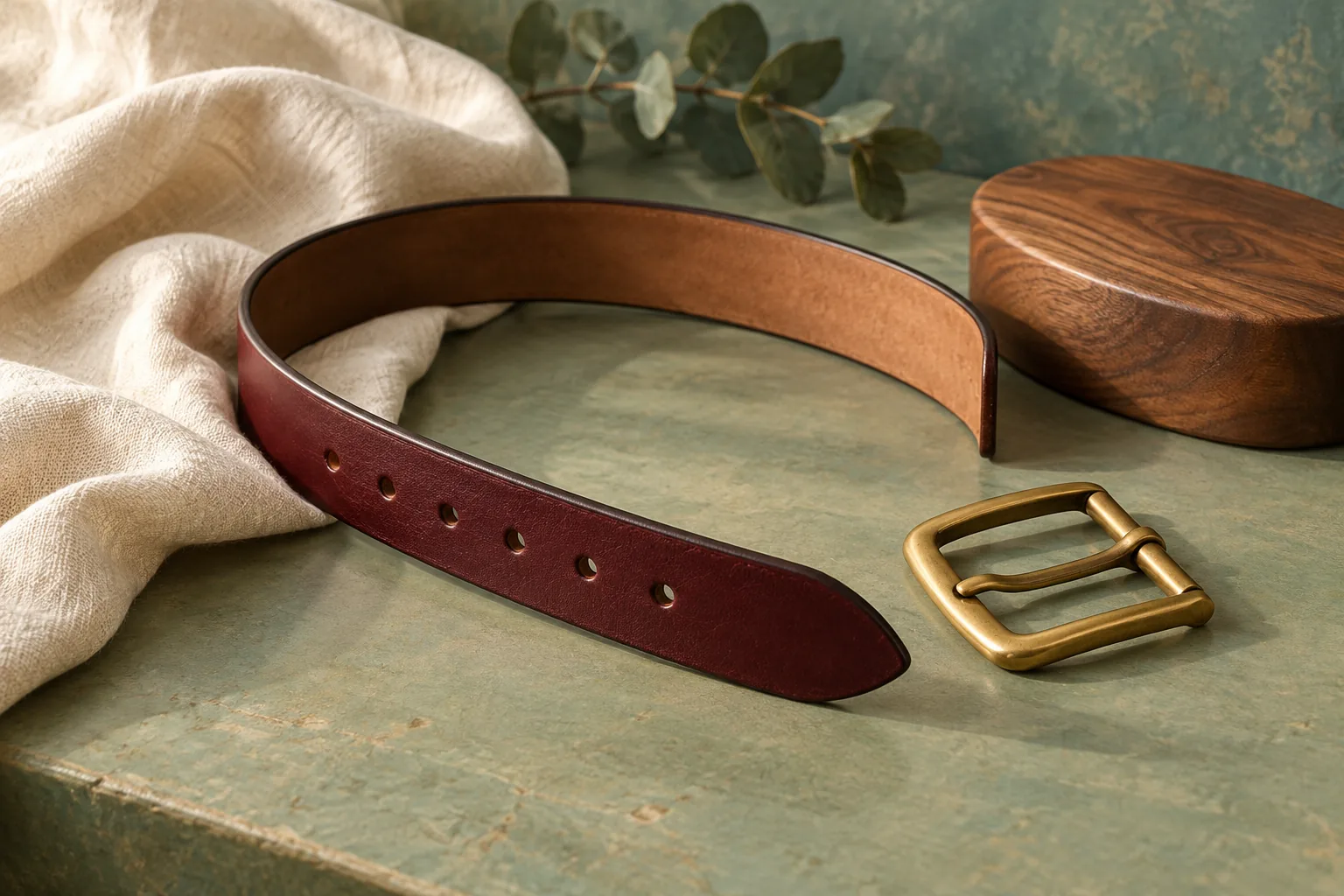
Start here
Separate symbolism and appearance from physical function: a wearable item is not load-bearing unless a competent specification explicitly says so.
Buying checklist
Decide whether the item is symbolic, decorative, posture-related or intended for a specified connection. Do not let appearance imply function.
Use actual neck or body measurements, adjustment range, width, edge finish and closure position rather than a size label alone.
Check that the closure can be opened promptly and that an agreed backup method is available where appropriate.
Inspect rings, rivets, stitching, welds and attachment points. Decorative hardware is not evidence of load capacity.
Ask for full contact-material details, including metal finishes, leather treatments, latex content and care products.
Consider workplace, travel, family and public contexts without assuming others will read the item’s meaning as intended.
Compare approaches
Designed principally for appearance or symbolism.
Check: Comfort, closure, contact materials and clear non-load-bearing limitations.
May be deliberately discreet and worn for longer periods.
Check: Skin contact, snag risk, work context, cleaning and self-removal.
Require explicit intended-use and load information rather than visual resemblance to specialist equipment.
Check: Rated components, maker limitations, release system and inspection routine.
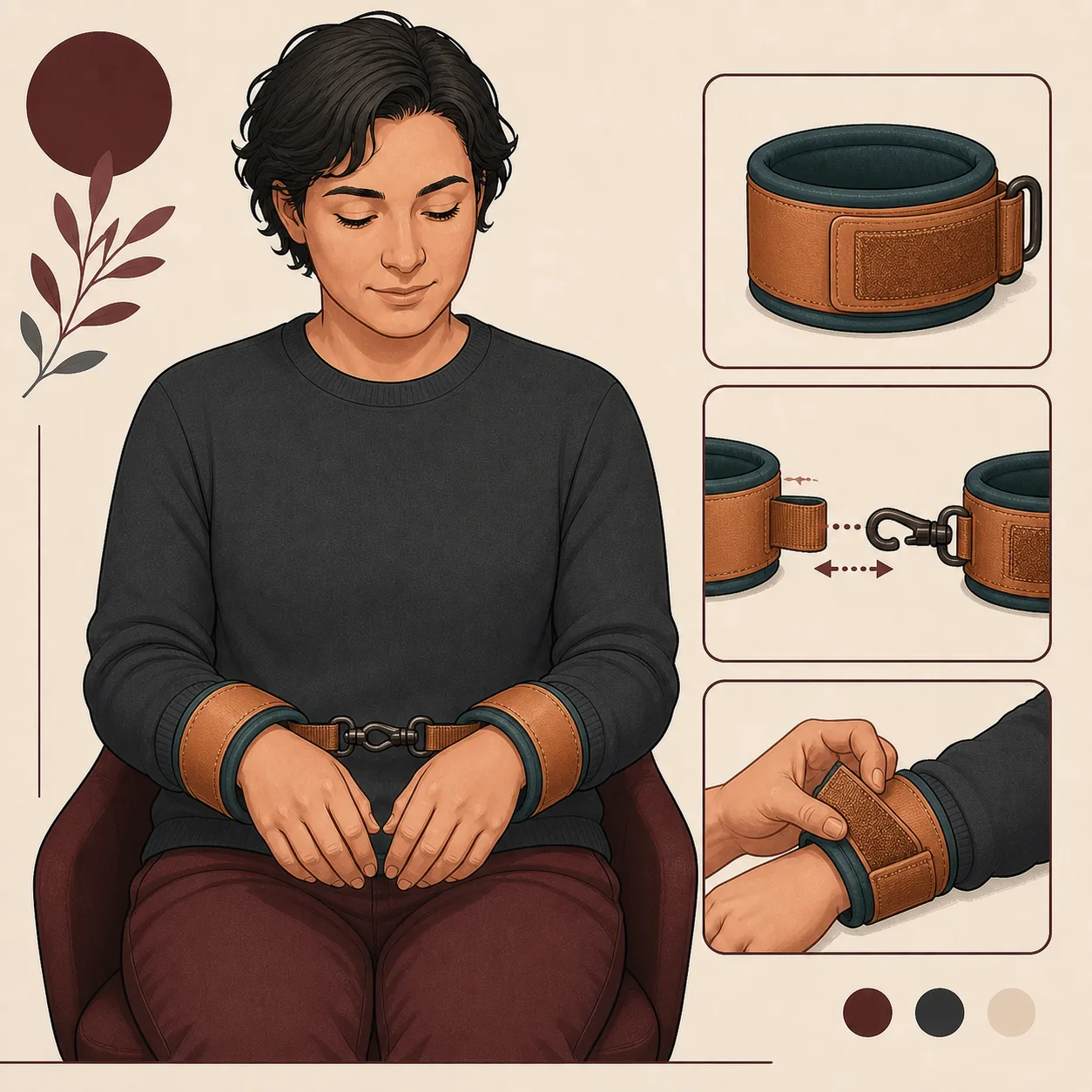
A common starting category when adjustment, stitching, edges and release can be inspected before use.
Check: Confirm fit on the actual wearer, check that the cuff does not tighten unexpectedly and that it can be completely released under light tension.
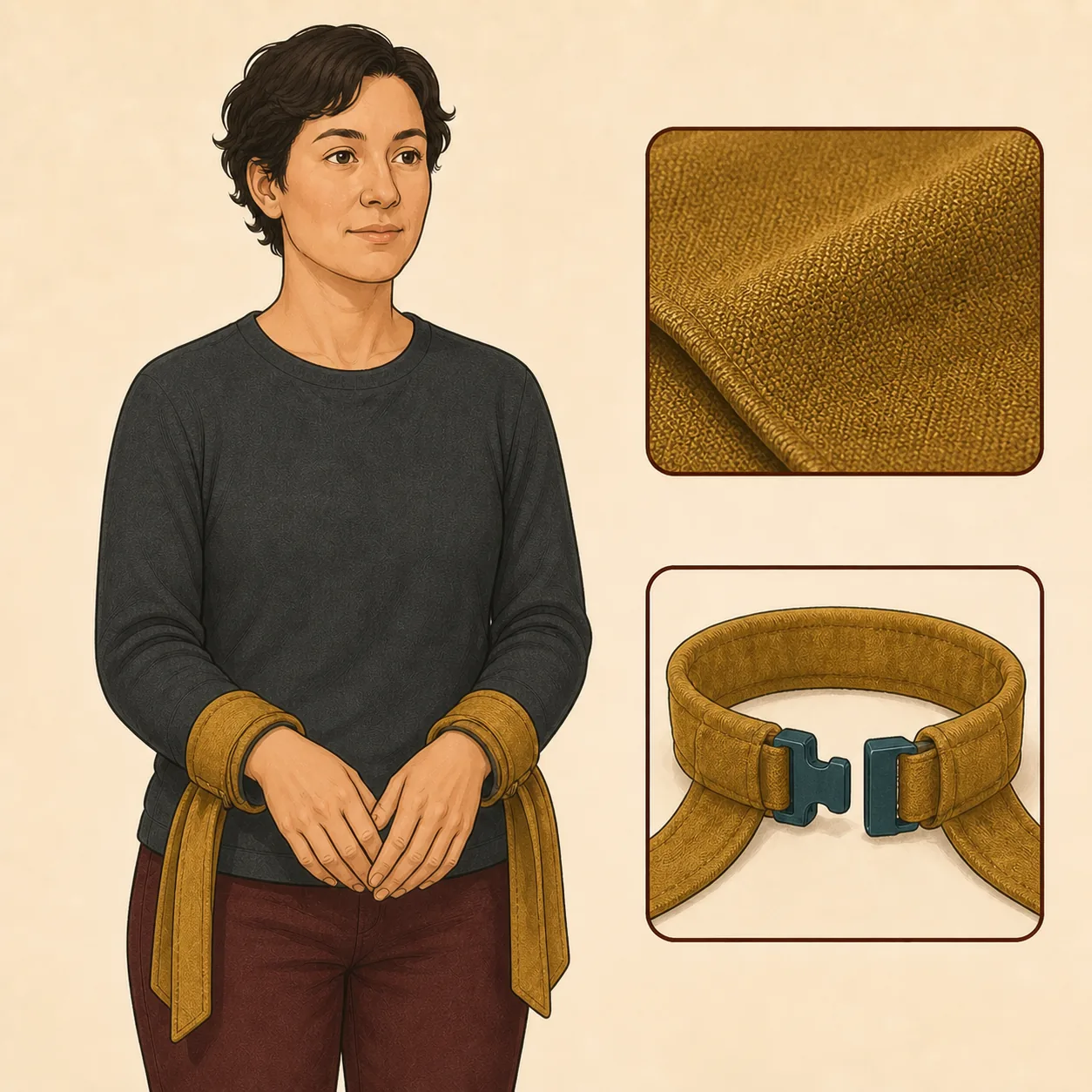
Lightweight and less visually imposing; softness does not remove tightening, entanglement or circulation concerns.
Check: Avoid improvised knots and anything that cinches. Confirm how the product releases after twisting or movement.
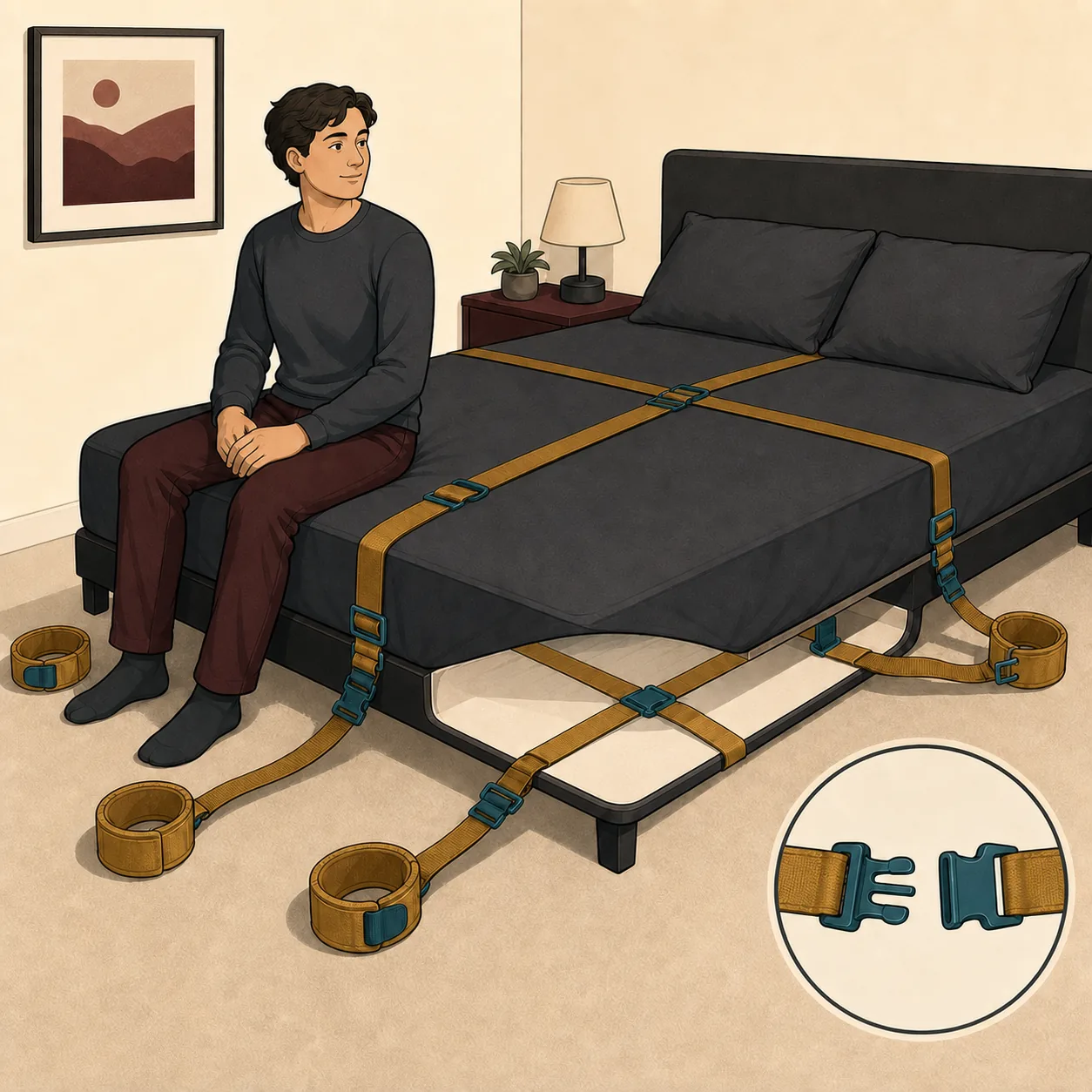
Can offer broad adjustment without a permanent anchor, but the full layout and bed environment still need consideration.
Check: Check reach, trip and entanglement points, connector access, mattress movement and whether every cuff releases independently.
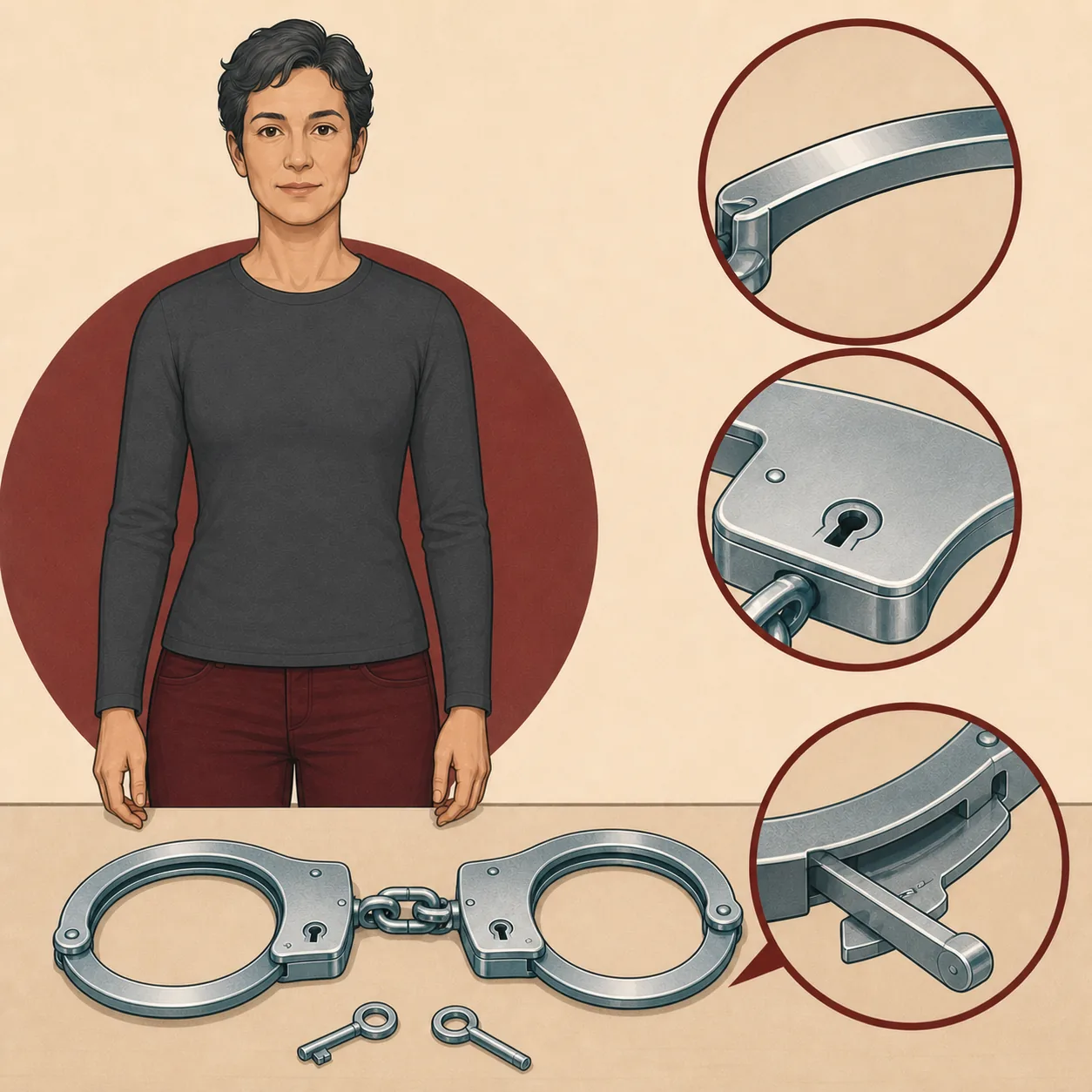
Usually a poor first choice: narrow rigid edges, key dependence and unfamiliar locking mechanisms create avoidable problems.
Check: A decorative or emergency-release feature is not proof of comfort, fit or suitability. Do not rely on a single key.
Choose a collar or wearable restraint by the wearer's measurements, contact materials, stated purpose and ability to remove it promptly. A symbolic collar and equipment sold for restraint are different decisions; decorative hardware must never be assumed to support loads or make pressure on the neck safe.
Choose for release and fit, not appearance alone. Before use, everyone should understand how to open the fastening quickly without relying on one small key, fine hand control or a phone. Test the mechanism without restraining anyone.
Check the stated adjustment range, pressure width, contact materials, lining, edges, stitching, stretch, metal content, cleaning instructions and known sensitivities. A detachable connection and accessible release matter more than the number of attachment points.
The product must preserve a practical way to pause, stop or communicate distress. Check the complete layout, reachable connectors, trip and entanglement points, manufacturer instructions, intended use, limitations, care guidance and returns route.
Never obstruct breathing, load the neck, suspend body weight or leave a restrained person unattended. A product cannot establish consent, competence or suitability on its own.
Release immediately after numbness, tingling, unexpected pain, unusual colour or temperature, weakness, breathing difficulty, confusion, panic or loss of normal responsiveness. Breathing difficulty, unconsciousness or serious injury needs urgent medical help.
A collar may suit an adult who wants an agreed symbol or a clothing accessory, without any restraint purpose. Discuss workplace context, privacy and whether longer wear is wanted. Access needs include reaching a closure, seeing a fastening and removing it without assistance. Anyone who cannot operate the release needs another choice rather than relying on a promise that help will always be nearby.
Check first with a GP or treating clinician where skin disease, known allergy, reduced sensation, swelling or another health condition may affect wear. NHS guidance identifies metals and rubber among possible contact allergens. Existing symptoms are a reason to pause, not to cover them with padding. Any item around the neck requires particular caution: this guide offers no neck-pressure, suspension or high-risk restraint technique.
Measure the relevant body area using the maker's sizing method and compare the actual adjustment range, not a clothing size. Neck, wrist and ankle dimensions are not interchangeable. Check width, padding, edge finish, closure placement and whether hardware adds weight. A product that looks substantial can still have decorative components with no stated structural purpose.
Leather, textile, synthetic coatings, elastic and metal fasteners have different contact and care considerations. Require a complete material description, including linings and any latex-containing elastic. A quick-release claim should describe the real mechanism; a hidden key or fiddly catch may be difficult for the actual wearer. Read the quick-release and collaring glossary entries alongside the related restraint education.
Use the care method for the whole wearable, including its lining, stitching and hardware. Dry it thoroughly and avoid storing it against damp fabric. Sweat, cosmetics and cleaning residue can accumulate on contact surfaces even when the outer face looks clean. Do not tighten a stretched item to compensate for deteriorating fit.
Withdraw a wearable with damaged edges, failing stitching, corrosion, a sticking closure or uncertain release. Retain fault photographs before repairs. Replacement should follow condition and maker instructions, not an assumed lifetime. Ordinary clothing repairs cannot establish restraint integrity or restore a rating that was never supplied.
The Consumer Rights Act 2015 standards for quality, description and fitness for a purpose made known with reasonable reliance apply to UK purchases. They are in force in England, Wales, Scotland and Northern Ireland, checked on legislation.gov.uk on 8 October 2026. Keep the sizing chart and the seller's stated purpose in case the supplied item differs.
An applicable sealed hygiene exclusion can affect online change-of-mind cancellation after unsealing, but does not erase faulty-goods rights. Regulation 28 is in force across all four UK nations, checked 8 October 2026. Read Sex-toy returns and consumer rights and search Office for Product Safety and Standards alerts before buying.
A posture collar is a more structured collar that may limit neck movement. Check the stated neck measurements, adjustment range, materials, edges and fastening, and whether it can be removed promptly. A decorative name or photograph does not establish fit or safe suitability; follow the actual manufacturer’s instructions.
It must allow comfortable breathing, swallowing and ordinary communication. Do not accept pressure, pain, tingling or restricted movement as something to endure. Never wear one during sleep or when unattended. Remove it if comfort or communication changes, and seek NHS or GP advice about symptoms or a health condition rather than relying on a retailer’s description.
What collar is best for beginners? An optional decorative choice needs clear fit, contact materials and self-removal. There is no universal best collar, and a symbolic choice does not require restraint equipment.
Does a collar mean permanent consent? No. Its meaning belongs to the adults involved, and consent remains specific and reversible. A symbol never overrides a real refusal.
Can a decorative ring support restraint? Do not assume so. Appearance is not a load specification, and this guide does not provide high-risk restraint instructions.
Can I return a collar that does not fit? Check whether change-of-mind rights or a seller policy apply. A misleading size description or a defective closure raises a separate statutory-rights issue.
Ask before buying
Evidence and limits
These sources support the category-level checks and signposting. They do not certify an individual product or turn general guidance into a safety guarantee.
Keep learning