Purpose
Distinguish restraint, support and suspension claims.
 The UK Kink GuideIndependent product discovery
Product discovery / Restraints and positioning
Sex swings and door restraints need verified fixings, model-specific weight limits and reliable release. Compare risks, care and UK buying rights. This guide names no preferred company or individual product.
Independent education · optional affiliate linksAn optional Uberkinky category box below is clearly disclosed and separate from the guidance. It is not a product recommendation. No on-site affiliate tracking is added. This is publisher-reviewed category education; no external approval or individual-product certification is claimed.
Start here
A product rating cannot establish that the building, complete setup or person is suitable. Uncertainty means do not use it.
Buying checklist
Distinguish restraint, support and suspension claims.
Require competent assessment of load-bearing fixings.
Check the exact model’s limits and permitted setup.
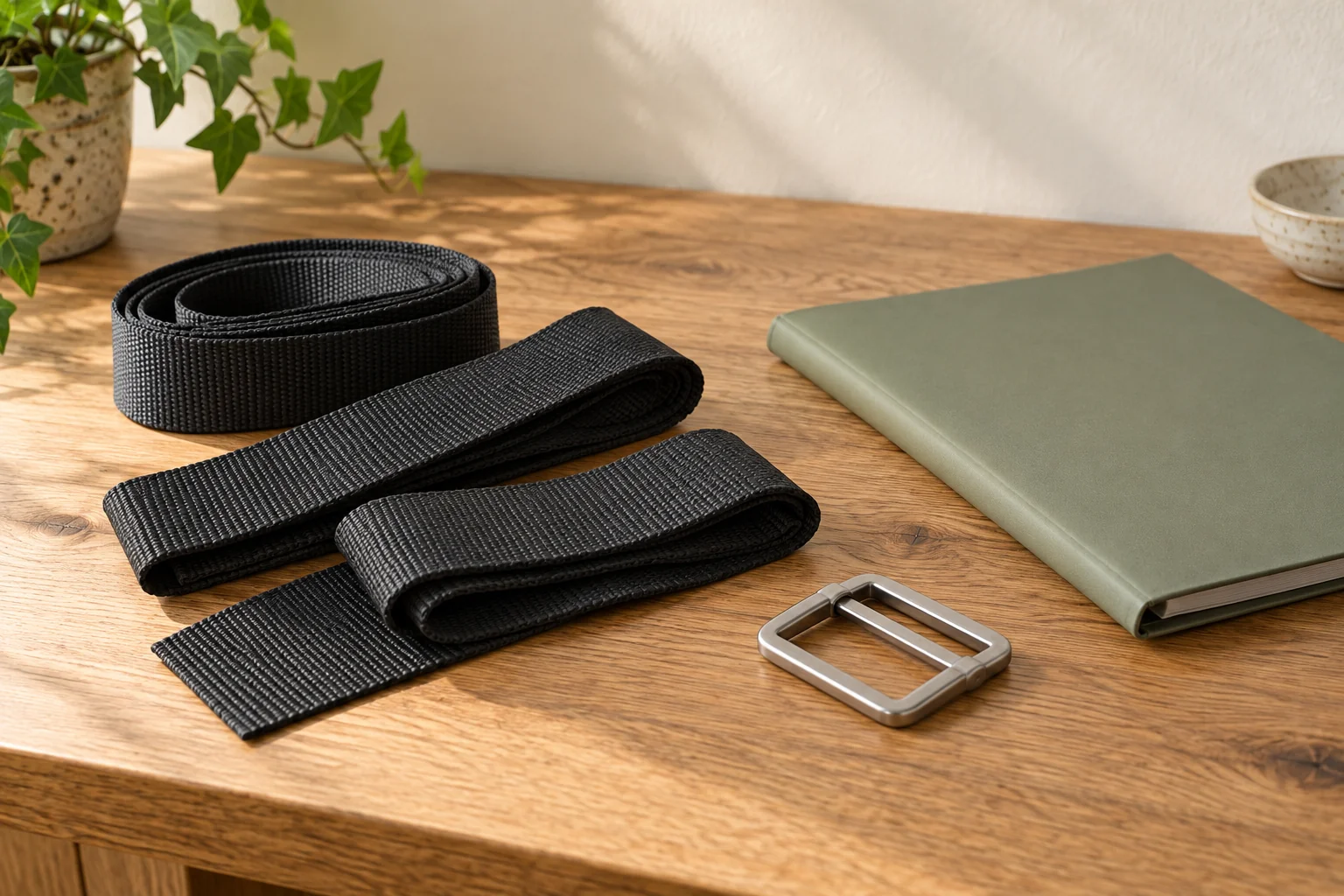
Inspect straps, buckles, stitching and connectors.
Require a workable way to stop and release.
Never leave a suspended or restrained person unattended.
Compare approaches
Depend on specified doors and supporting structures.
Check: The maker’s door requirements and restrictions.
Introduce structural and load-bearing questions.
Check: Professional assessment and approved components.
Still have stability, space and load limits.
Check: The complete compatible frame and accessories.
Choose a swing or door restraint only when its exact intended use, structural requirements, weight rating and release arrangements can be established. A strong-looking strap or an advertised limit does not prove the complete system is suitable. For adults aged 18 and over, this page covers buying decisions and risk, with no installation, suspension or positioning instructions.
This category adds load, stability and escape questions that a simple cushion does not. Consider whether positioning cushions and supports meet the desired comfort or access need with less complexity. A purchase should not become an expectation to try suspension. The person affected must be able to decline the entire arrangement, and everyone must understand that a product sold for adults is not automatically beginner equipment.
Avoid use where balance, joint or circulation problems, reduced sensation, weakness or limited communication could prevent safe stopping or release; ask a GP or relevant clinician about individual concerns. NHS neuropathy information describes changes in sensation, balance and strength that can matter to those decisions. A diagnosis alone does not describe every access need. Accessible design includes inspection, communication and leaving the setup, not merely getting into it.
Check strap lengths, adjustment ranges, contact widths and the space required by the whole system. Ask whether stated dimensions include connectors and whether the maker permits the proposed combination. Webbing, padding, stitching, metal hardware and any coatings each need identification and care instructions. A soft cover cannot demonstrate the strength of what lies underneath. Fit and surface comfort are separate questions from structural suitability and the capacity to stop.
Treat door restraints, ceiling-mounted swings and frames as different categories rather than interchangeable accessories. Ask exactly what is load-bearing and what is intended only to limit movement. The load-rating entry explains why a number needs its conditions. Do not substitute household straps, decorative hardware or a similar-looking clip. This guide cannot establish a safe combination remotely, and it deliberately gives no component-selection or fastening technique.
Read the exact model’s written door, door-frame, ceiling or frame requirements before buying. If the supporting structure cannot be verified, do not use the system. Obtain competent professional assessment of load-bearing building fixings rather than relying on a photograph, a hollow-wall guess or a previous owner’s fitting. Manufacturer instructions must be available and applicable to the actual product. A retailer’s short description is insufficient evidence that a particular building can support it.
Ask what the maximum manufacturer rating includes, which components it covers and which configurations or movements are excluded. Different models carry different limits; there is no safe universal number supplied here. Being below a stated limit does not validate unapproved connectors, a damaged support or the installation. Free-standing frames also need the maker’s stability and space requirements. OPSS advises checking warnings, clear instructions and the manufacturer’s identity before using consumer products.
A quick-release label needs an actual, accessible release provision understood by every participant. It does not guarantee safe release under load. If complete release and an effective stop route cannot be established, do not proceed. Never leave anyone suspended or restrained unattended. Restraint planning and emergency release explains the consent and risk framework; this page does not teach an emergency manoeuvre or a suspension arrangement.
Inspect straps, buckles, stitching, connectors and contact surfaces for damage or unreliable operation. Stop for pain, numbness, tingling, dizziness, distress or changed communication; do not tighten or continue to see whether symptoms settle. NHS pins-and-needles information recommends a GP for persistent or recurring symptoms. After an injury, NHS advice identifies numbness or tingling, blue or grey skin, or cold skin around the injury as reasons for 999 or A&E.
Require separate care instructions for webbing, padding, leather, coatings and hardware, including whether parts may be washed or immersed. Store dry components where they can be inspected and remain protected from damage. Keep model details and instructions together so an unidentified part is not mistaken for a compatible replacement. Surface cleaning alone does not establish that stitching, internal layers or a connector remain reliable after wear or an incident.
Withdraw equipment with fraying, torn padding, weakened seams, corrosion, deformation, cracked parts or unreliable buckles. Ask the manufacturer about replacement and recall instructions; do not repair a safety-critical component casually or hide damage beneath a cover. A calendar interval cannot prove remaining strength. If inspection is difficult because of reach, vision or dexterity, include that in the buying decision rather than depending on a check that cannot be carried out.
In all four UK nations, the Consumer Rights Act 2015 covers satisfactory quality, conformity with description and fitness for a particular purpose disclosed to the trader where reliance is reasonable. These rules are in force, checked on legislation.gov.uk on 10 October 2026. Preserve advertised ratings, warnings and the receipt. The consumer-rights guide explains fault remedies; a warranty or safety disclaimer does not simply cancel statutory rights.
The UK-wide Consumer Contracts Regulations 2013, regulation 28(3)(a), are also in force on that checked date. Their hygiene exception concerns sealed goods unsuitable for return for health-protection or hygiene reasons once unsealed; it is not a blanket exclusion for all adult equipment. GOV.UK sets out normal distance-sale cancellation rights. Check which parts arrive sealed, who the trader is and whether replacement components and written instructions are obtainable before committing money.
Can any door support a door restraint or swing? No. The maker’s requirements and the actual supporting structure must be verified; appearance cannot establish suitability.
Is staying below the weight limit enough? No. The rating’s conditions, installation, compatible parts and condition still matter.
Does quick release make suspension safe? No. A label is not proof of safe release under load or an adequate stopping arrangement.
Can someone be left alone briefly? No. A suspended or restrained person must never be left unattended.
Can a damaged strap be repaired at home? Do not improvise a safety-critical repair. Withdraw the equipment and use the manufacturer’s replacement route.
For injury with numbness, tingling, blue or grey skin or coldness, follow NHS advice to call 999 or attend A&E. Severe or worsening pain or swelling needs urgent assessment through NHS 111 where available or your local urgent-care route. Use a GP for ongoing concerns. OPSS lists Citizens Advice, Advice Direct Scotland and Northern Ireland district councils for unsafe-product reports; UK help gives further support routes.
Ask before buying
Evidence and limits
These sources support the category-level checks and signposting. They do not certify an individual product or turn general guidance into a safety guarantee.
Keep learning