Purpose
Confirm intended use and exclusions.
 The UK Kink GuideIndependent product discovery
Product discovery / Furniture and supports
Spanking benches and BDSM furniture: compare stability, stated loads, padding, release, cleaning and storage before buying in the UK. This guide names no preferred company or individual product.
Independent education · optional affiliate linksAn optional Uberkinky category box below is clearly disclosed and separate from the guidance. It is not a product recommendation. No on-site affiliate tracking is added. This is publisher-reviewed category education; no external approval or individual-product certification is claimed.
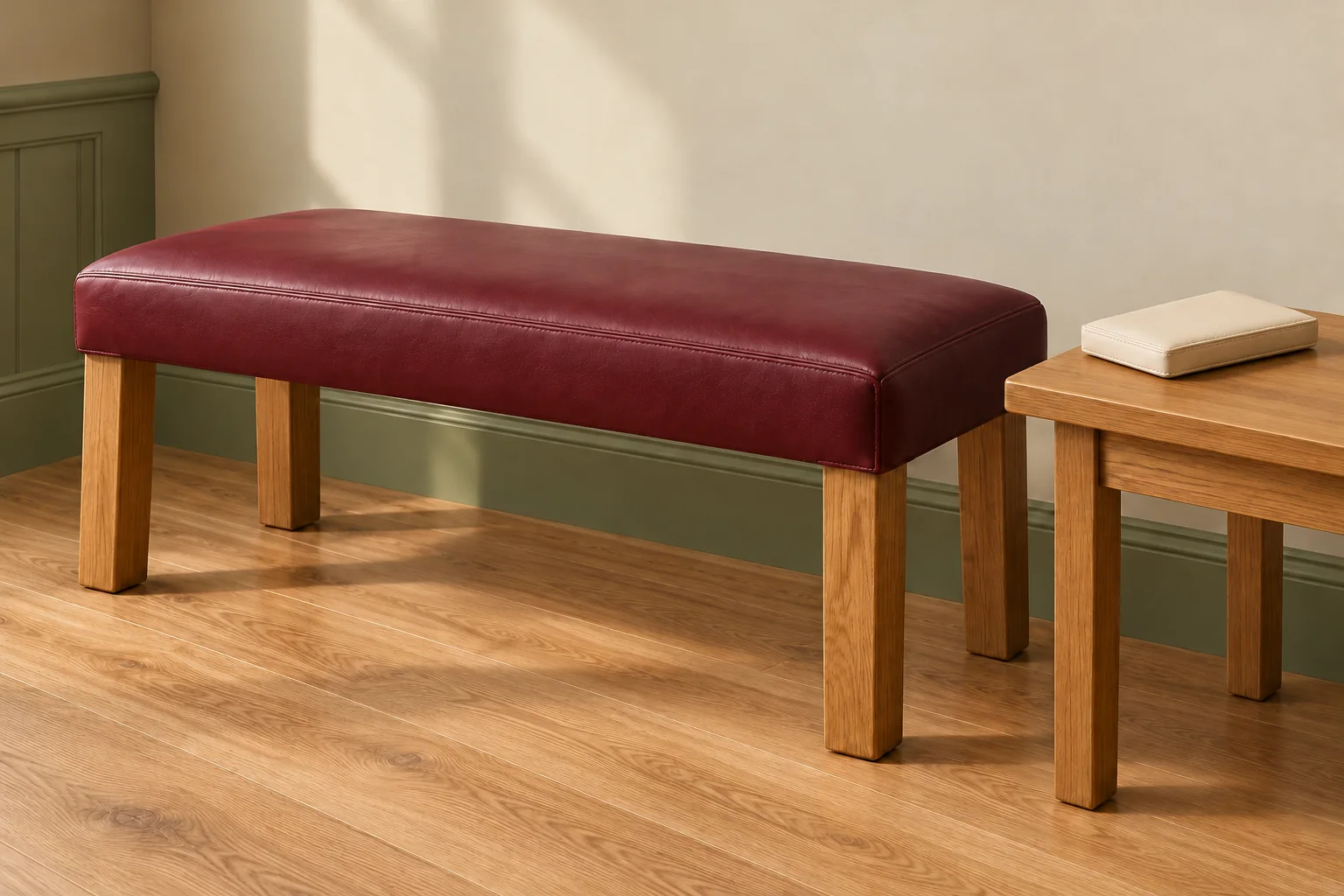
Start here
Choose documented purpose, stable support and accessible removal before appearance.
Buying checklist
Confirm intended use and exclusions.
Ask what the load rating actually covers.
Check footprint, feet and floor requirements.
Check transfers, adjustment and immediate release.
Identify covers, seams and replacement parts.
Keep assembly, warranty and returns information.
Compare approaches
Fewer adjustment points to manage.
Check: Size, floor space and access.
Different dimensions within stated limits.
Check: Locks, instructions and pinch points.
A possible storage option.
Check: Locks, carrying weight and setup requirements.
Choose furniture with clear dimensions, an explained load rating, a stable footprint and padding you can inspect and clean. It must suit the adults using it, the available room and an immediate stopping plan. A dramatic photograph or the word “heavy-duty” does not establish these things. This is an adults-only buying guide, not impact, restraint or suspension instruction. Compare the independent paddle guide and spanking consent guide separately: buying furniture does not supply consent or make an activity safe.
A bench may interest adults looking for a dedicated, clearly specified piece of furniture, but it is optional. It may be unsuitable where floor space, transfers, storage or independent removal are difficult. Consider mobility, grip, balance, fatigue, sensory needs and communication before buying. A partner should not have to manage an awkward transfer simply because an item has already been purchased. Compare positioning cushions and supports when a less complex option may answer the practical need.
If pain, recent surgery, reduced sensation or another condition makes support uncertain, ask a GP, physiotherapist or occupational therapist about your individual needs. The NHS back-pain guidance gives reasons to seek assessment; a furniture specification cannot assess a symptom. Stop for pain, numbness, distress or difficulty getting free. A load rating is a product limit, not medical clearance.
Measure the footprint, height, access space and storage route, including doorways. Obtain the dimensions in each advertised configuration rather than relying on a lifestyle photograph. Check whether adjustment controls can be reached and operated comfortably. Ask about the complete covering, padding and frame materials, not just the attractive outer layer. Smooth-looking upholstery can still have seams, joins and components that require separate care.
Compare fixed, adjustable and foldable designs by the extra checks each introduces. Ask what the stated maximum load means and whether it covers the intended use. Do not calculate your own allowance or assume a furniture rating also rates attachment points. Load-rating terminology helps frame questions, but unclear claims remain a reason not to buy. No figure in this guide certifies an item.
Read the maker’s complete assembly and inspection instructions before purchase. Establish the required floor surface, footprint, fasteners and replacement-part route. If the instructions call for professional assembly, arrange that rather than improvising. A loose joint, unreliable folding lock or damaged foot needs attention before the furniture is used. This page gives no construction, anchoring or load-testing procedure.
Where attachment points are offered, ask for their stated purpose and limitations separately from the bench’s rating. Visible rings do not prove suitability for restraint or suspension. A quick-release plan must be accessible to the actual people involved and allow ordinary refusal to stop everything. No attachment, role agreement or purchase should prevent seeking help. Decline a setup whose safe removal cannot be established.
Follow the instructions for each surface: frame, upholstery, removable cover and hardware. Ask which cleaners are permitted, whether a cover can be removed and how the padding should be dried. Wipe-clean does not mean every seam is sealed or every chemical is suitable. Do not saturate an item or improvise a disinfecting method where the maker has not supplied one. Keep care instructions with the furniture.
Inspect for torn covers, exposed padding, loosened joints, corrosion and unreliable adjustments. Stop using damaged furniture and ask the maker about repair or replacement; do not hide a fault beneath another layer. In shared homes, discuss who can see or move it, where it will be stored and how access routes remain clear. Folding is a handling task, not proof that one adult can carry the item comfortably.
For consumer purchases in England, Wales, Scotland and Northern Ireland, the Consumer Rights Act 2015 requires goods to be of satisfactory quality, fit for an agreed purpose and as described. These goods provisions are in force; the current text and commencement were checked on legislation.gov.uk on 11 October 2026. Keep the description, dimensions, receipt and any answer about intended use. A seller’s return policy does not replace rights concerning faulty goods.
The Consumer Contracts Regulations 2013 are also in force across those four nations, checked on the same date. Distance purchases generally carry cancellation rights, with exceptions including certain made-to-specification goods and sealed goods unsuitable for return for hygiene reasons once unsealed. “Adult furniture” alone is not a complete explanation of an exclusion. Ask about seals, customisation and return collection costs before ordering. The UK returns guide separates cancellation from faulty-goods rights; OPSS publishes product-safety advice and recalls.
Is a spanking bench necessary? No. It is an optional purchase, not a requirement for an interest or relationship. Start with the practical need and consider whether any furniture purchase is justified.
Does “heavy-duty” prove a safe weight limit? No. Ask for the maker’s actual rating, what it covers and its conditions. Do not infer it from frame material, price or a photograph.
Is foldable furniture always easier to use? No. Folding can reduce storage space while introducing handling, locking and inspection questions. Check the carrying weight and your available access route.
Can a fashion attachment be used as a restraint point? Do not assume so. The maker must identify its intended purpose and limitations. Similar-looking fittings are not interchangeable safety evidence.
Can I return furniture after changing my mind? It depends on the purchase and applicable exceptions. Ask before ordering, especially for customised goods. Rights about faults are a separate issue.
Ask a GP or relevant NHS clinician when pain, mobility or altered sensation makes a purchase uncertain. For consumer disputes, use Citizens Advice in England and Wales, Advice Direct Scotland or Consumerline in Northern Ireland. OPSS recall information can help identify a reported product hazard. Call 999 for a life-threatening emergency. This guide offers specification questions, not approval of an individual item or higher-risk activity.
Ask before buying
Evidence and limits
These sources support the category-level checks and signposting. They do not certify an individual product or turn general guidance into a safety guarantee.
Keep learning