
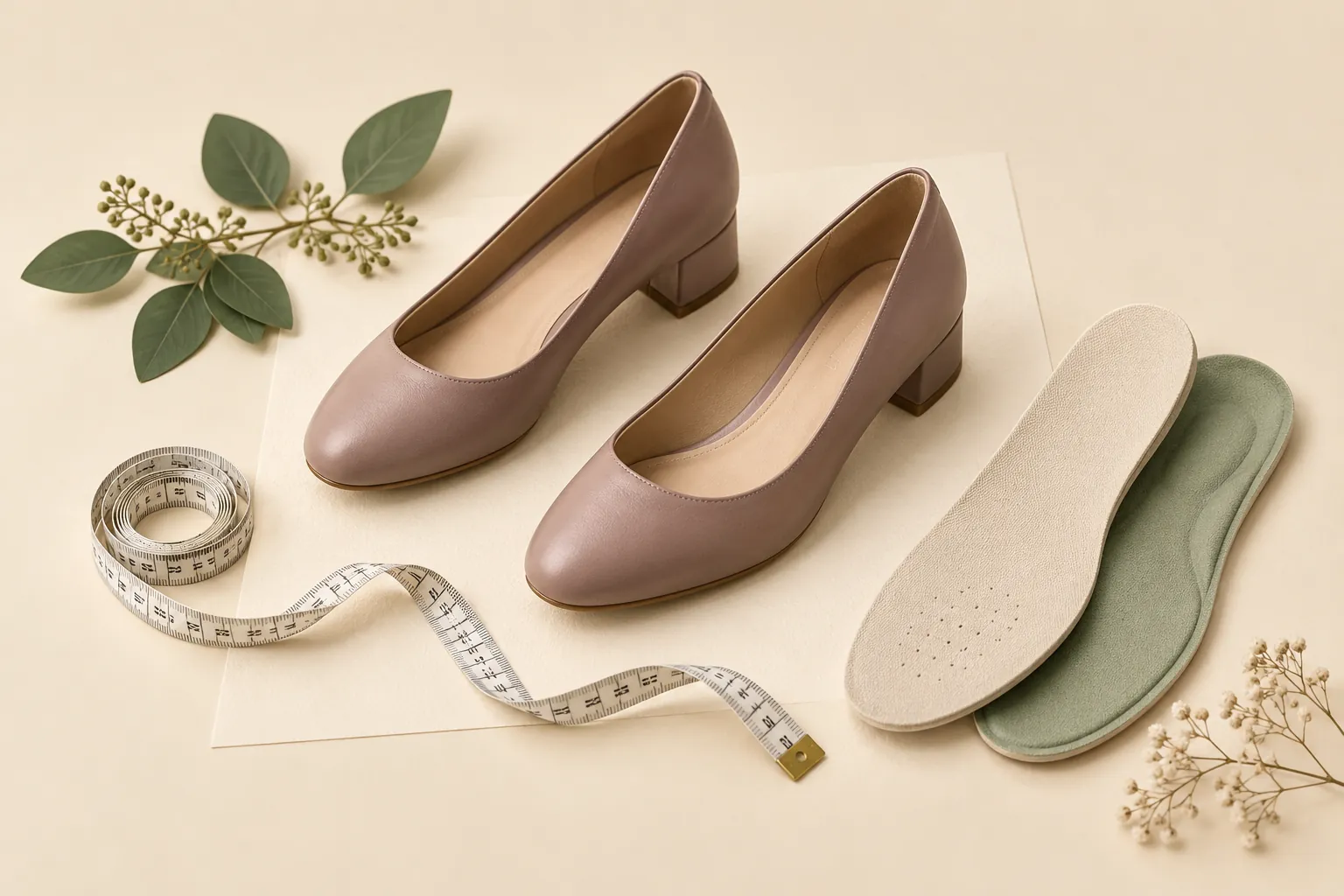
For a first pair of heels, prioritise fit, a stable base and the ability to move comfortably. Nobody needs heels to express femininity or to take part in a costume scene. Try a low, wider heel on a safe surface, stop when pain or instability appears, and keep a comfortable alternative available. If heel pain is already present, NHS advice favours wide comfortable shoes with a low heel.
Decide what the shoe is for
A pair for a brief photograph, a private outfit or a whole event places different demands on the wearer. Ask how long someone expects to stand, whether stairs or uneven ground are involved, and whether they need to carry a bag or change shoes. A shoe that works for five minutes in a bedroom may be unsuitable for a journey across town. The intended use should shape the choice before style does.
Consider the wearer's mobility and experience rather than a universal “beginner” height. A wider, lower heel gives some people a steadier base than a narrow high one, but fit and individual balance still matter. Guy's and St Thomas' NHS Foundation Trust notes that higher heels shift weight forward and gives everyday foot-comfort advice. The NHS heel-pain page also advises avoiding high heels and tight pointy shoes when heel pain is present. These are reasons to choose comfort, not a medical promise that any particular pair is safe.
Trying heels is optional. A flat boot, low block heel or familiar shoe can complete the same outfit. If another person wants a specific look, discuss it as an aesthetic preference, not a requirement the wearer must endure. The wearer can decide a pair is unsuitable before wearing it outside or buying it at all.
Fit before appearance
Check length and width with the person standing, since the foot can shift forward. Look for toes being squeezed, the heel slipping, a strap cutting into skin or a sole that feels unstable. A size number can vary by maker and style. Try the pair on both feet and walk a short distance on an ordinary dry floor before deciding that it fits.
Footwear should allow the wearer to stop and remove it easily. Tight fastenings, high platforms or unfamiliar closures can complicate a quick change, particularly for someone with limited mobility. If an insole or cushion changes the fit, reassess rather than assuming it solves all discomfort. A shoe that needs constant adjustment is unlikely to become a comfortable long-session choice just because it looks right in a photograph.
Inspect a used pair for worn soles, loose heel attachment and uneven wear. Check returns before buying a new pair online. A surprising fit is not the wearer's fault. Altering the plan to use another shoe is a sensible choice.
Practise movement without a performance
Choose a stable, clear surface and give yourself time to feel how the shoes change balance. This is a comfort check, not a lesson in a particular walk or an obligation to perform. If the foot slides, an ankle feels insecure or the wearer cannot move as they need to, change shoes. Do not combine the first trial with a restrictive garment or a crowded event that makes a quick exit difficult.
Plan the route if heels will be worn outside: pavements, steps, transport, weather and time on feet all matter. Keep a comfortable alternative accessible, rather than leaving it at a distant location. Someone who tires or has pain should be able to switch without a partner commenting that they have spoiled a scene. A costume guide covers privacy and overall outfit planning.
People with chronic pain, a foot condition, neuropathy or balance difficulties may need individual clinical advice. A costume article cannot determine whether a particular shoe suits their condition. If someone has numbness, persistent pain or repeated falls, stop experimenting and discuss the symptom with a GP or relevant clinician.
Make the role optional
A shoe may carry a symbolic transformation for someone. Agree whether the role starts when it is put on, whether a partner may comment on it, and whether the wearer wants photographs. The person can remove the pair and end the role without explanation. A garment or accessory does not create continuing permission for touch, names or instructions.
Consider privacy if the shoes will be delivered or stored in a shared home. Discuss whether the wearer wants a visible shelf, a closed box or no special arrangement. Another person should not use a purchase record or photo to threaten disclosure. Privacy and aftercare covers the wider implications of images and shared devices.
A later reflection can ask what actually worked: height, width, closure, duration, surface and the person's sense of confidence. If the answer is “I prefer flats,” accept it. There is no correct progression toward taller heels.
Comparing two pairs in practice
Suppose one pair looks dramatic but pinches the toes while another has a lower wider heel and lets the foot rest more naturally. Ask where each would be worn and for how long. A five-minute photograph and a whole evening are different uses, yet pain in the first minute is information in either case. The better pair is the one that meets the wearer's chosen purpose without requiring them to ignore symptoms.
Try the fit later in a day if that is when the shoes will be worn, and assess both feet. Check whether the foot slides forward, whether the heel rubs and whether the sole feels secure on the intended surface. A high price, specialist label or attractive photograph is not evidence of comfort. Keep the receipt and care information until the decision is settled.
An event plan should include the route, the venue surface and a change option. A person may enjoy wearing the shoes for arrival and switch later. They do not have to remain in character for a photograph or partner's approval. Keep comfortable shoes where the wearer can reach them independently, not locked away or in a vehicle controlled by someone else.
If pain persists after removing the pair, stop treating it as a styling problem. The NHS heel-pain page describes self-care and when to seek help; individual causes differ. A GP, pharmacist or podiatry service can advise appropriately. Do not diagnose a condition from the shape of the shoe or suggest that a person should continue practising through pain.
When to stop testing a pair
Remove the shoes for pain, a new numb feeling, repeated ankle instability or rubbing that is breaking skin. Do not try to walk it off for the sake of a role or photograph. A different insole or width may help some fit issues, but it cannot make every unsuitable shoe appropriate. If a symptom persists after removal, ask a clinician rather than relying on advice from a retailer.
If balance is a concern, compare footwear on the intended surface without a crowded audience. A glossy indoor floor, pavement and stairs offer different demands. Someone who normally uses a mobility aid or needs a steady hand can choose a shoe that works with their own practice; no guide can prescribe a heel height for every body. Keep the option of a familiar flat shoe throughout.
A partner may say the heels make the costume complete. The wearer can enjoy that aesthetic and still choose to wear the pair briefly, use a low alternative or skip it. Compliments should not become pressure to endure discomfort. A comfortable choice is an active part of the presentation, not a compromise requiring apology.
Caring for the chosen pair
Check soles and heel attachments before repeat wear. Clean and dry the shoes according to their material, and store them so the shape is not crushed. If a sole has worn smooth or a heel is loose, do not rely on it for an event. A repair professional may assess whether it can be fixed; a quick home patch is not a safety guarantee.
After wearing, note where discomfort appeared and how long the pair was used. That record can help compare another style without blaming the wearer's body. The next pair need not be higher. It may be wider, lower, softer or simply a different shoe altogether.
Common questions
**What heel height should a beginner buy?** There is no universal number. Look for stable fit, a manageable intended use and the wearer's comfort; NHS-linked advice generally favours lower heels for everyday foot comfort.
**Will pain go away if I practise?** Do not assume that. Remove an uncomfortable shoe and seek clinical advice for persistent or worsening pain.
**Can I wear heels for a photo only?** Yes, if you choose to. Photography requires separate consent and privacy planning.
**Do block heels guarantee stability?** No. A broader base may help some wearers, but fit, surface and personal mobility still matter.
**Are heels necessary for a feminine look?** No. Style and identity do not depend on one type of footwear.
When to get help
The NHS heel-pain advice gives a starting point for symptoms; a GP or pharmacist can discuss persistent pain and the right service. Seek urgent care for a serious injury or inability to bear weight according to current NHS guidance. If someone pressures a partner to wear painful footwear, a relationship-support or abuse service can help them consider boundaries. Definitions: feminisation, gender expression, costume, boundary and accessibility.