
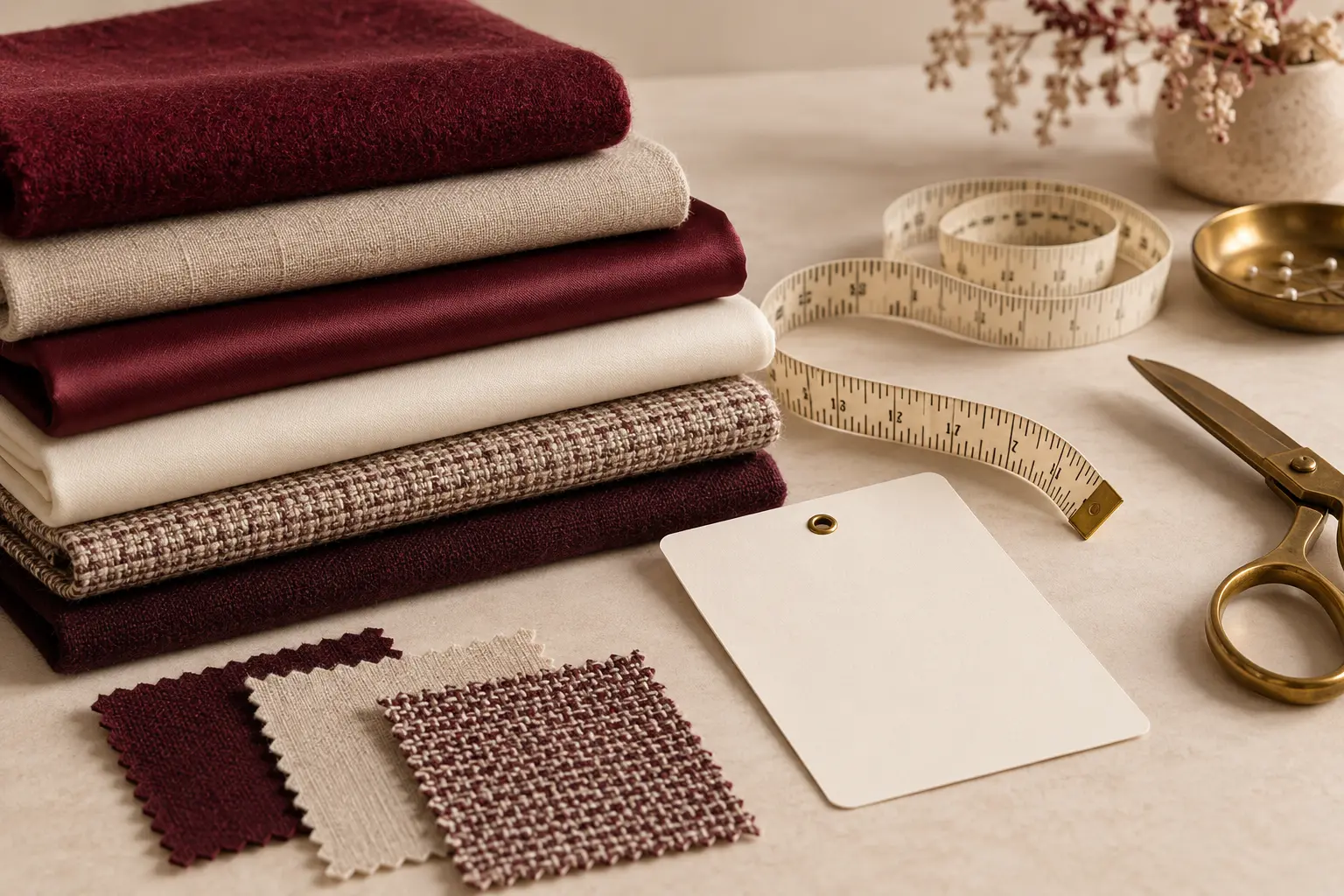
Name what the clothing is for
A garment can matter for appearance, texture, identity, warmth, a role or an everyday practical need. Ask the wearer what they want from it before deciding that a colour, silhouette or material means anything about their sexuality. A person can enjoy the look and dislike a particular fabric; they can want the fabric without wanting a role. Our gender expression entry separates dress from assumptions about identity or consent.
If clothing is part of a shared adult activity, specify the item, setting and duration. “Wear something shiny” leaves a great deal unresolved: is it comfortable to sit in, does the person need to travel in it, and can they change without an argument? A wearer may want a private look but not photographs or public disclosure. Agree each separately. The conversation guide provides a way to turn a broad label into concrete choices.
Try to identify the goal before shopping. A smooth surface, a formal shape, a particular colour and a close fit are different goals, and there may be several ways to meet each. Someone who likes a silhouette but finds compression painful may prefer a different cut. Someone who enjoys texture for a short period may not want to wear it all evening. The wardrobe is a set of options, not evidence that the wearer owes a performance.
Assess the finished garment
A fibre or material label is only a starting point. Seams, lining, closures, stretch, coatings, weight and construction influence comfort and care. A leather item and a leather-coated item, for example, need not behave alike. Check the seller's description of the actual garment and its cleaning instructions. If the material touching skin is unclear, ask. The material compatibility entry helps distinguish a named material from an assembled product.
Fit is experienced in movement. Consider sitting, reaching, walking, bending and using a toilet or changing space. Ask whether fasteners can be managed by the wearer, including when tired or with limited dexterity. An item that looks right while standing still may pull or pinch when used. Do not treat numbness, a painful seam or restricted breathing as an acceptable price of the appearance. Change or remove the garment when the person wants to; the negotiation entry applies to clothing agreements too.
Heat and skin contact matter over time. A coating, adhesive or close-fitting layer may feel different after movement or sweat. NHS guidance on contact dermatitis describes reactions to irritants or allergens and recommends GP help for persistent, recurrent or severe symptoms. That NHS page was last reviewed in 2023, and we have not found a newer replacement in the approved library; use it as general context, not a diagnosis. Stop contact with a suspect item and seek advice for a concerning reaction.
Plan changing, access and care
Before an event or a long outing, plan a place to change, a layer for warmth or privacy, and a way to carry a spare. Consider accessible entrances, bathrooms and seating rather than assuming a person can manage the garment in every environment. Scope's intimacy and disability guidance emphasises asking about a person's needs and pace; apply that principle to who controls clothing and assistance. Assistance with a fastener is not permission for touch elsewhere.
Read washing, drying and storage instructions for the finished garment, including closures and decorative parts. If the care directions are absent, test nothing on a person to discover whether a cleaner works. Ask the maker or choose an item with clearer instructions. Inspect for damaged seams or sharp hardware before wearing it again. Our product safety guide covers traceability and notices for items where a defect may matter.
If the garment is shared, ask how it will be cleaned, stored and offered to the next person. A person's own comfort and hygiene preferences may be stricter than the maker's minimum directions. A costume may also carry information: who can see it, where photographs are kept and whether it should be disclosed to friends or staff. The wearer should decide what is practical and private. Do not use a negotiated look to remove their ability to change.
Buying and returning clothing
Compare measurements and construction rather than relying only on a size name. Look for a clear returns policy before ordering; keep product details and correspondence. If an item is faulty, Citizens Advice's faulty-goods guidance explains the consumer route. A wrong fit after a change of mind and a defect are different questions, so describe the actual issue rather than assuming the same remedy for both.
Check GOV.UK product safety alerts and recalls if a particular model raises concern. Match the identifier in any notice; similar-looking clothing is not automatically the affected product. A recall search does not replace checking the actual garment for a failure. If someone else selected or paid for it, the wearer still chooses whether to wear it. A gift can be returned, altered or left in a cupboard without creating a debt.
Privacy and expression beyond a scene
Clothing can move between private experimentation and ordinary life. Ask whether a person wants the item recognised as a costume, treated as everyday dress or kept between the people involved. Do not announce the meaning you attach to someone's outfit at a workplace, family gathering or event. An apparently small comment can reveal an interest they meant to keep private. Their own account of the garment matters more than an outsider's interpretation.
For a first wear, choose a setting in which changing is easy and a comfortable alternative is available. Notice whether the material, fit and fasteners work over the actual duration, then decide whether to alter it. A wearer can enjoy a short trial and still decide not to keep the garment. There is no need to prolong discomfort to establish an identity, please a partner or make a purchase feel worthwhile.
Common questions about dress
Does a garment reveal someone's identity? No. Ask the person what, if anything, the choice means to them.
Is an item safe because its material sounds familiar? No. Look at the finished garment, fit, care and the wearer's response.
What if the desired look hurts? Stop wearing it and find another construction or way to meet the aesthetic goal.
Can a role specify dress? Adults may agree a specific choice, but the wearer can revise or end the agreement.
May I help someone change? Ask what assistance is wanted and keep it within the agreed scope.
When to get help with clothing
For persistent, recurrent or severe skin symptoms, seek a GP or pharmacist's advice using NHS guidance. For an injury, breathing difficulty or another urgent concern, stop the activity and use an appropriate urgent healthcare route. A clothing guide cannot identify an allergy. If a defect caused the problem, preserve details for the seller and consult current consumer guidance. If pressure to wear or reveal an item continues after a no, focus on the relationship boundary; Relate's pressure guidance helps distinguish choice from coercion.
Sometimes the best next step is neither a clinician nor a retailer. Talk privately with the wearer about what felt good, what did not, and whether the item should be changed, returned or retired. Leave room for “I only wanted to try it” as a complete answer. Dress can remain playful and personal only when the person wearing it has a practical route to comfort and refusal.