
Material interests have many meanings
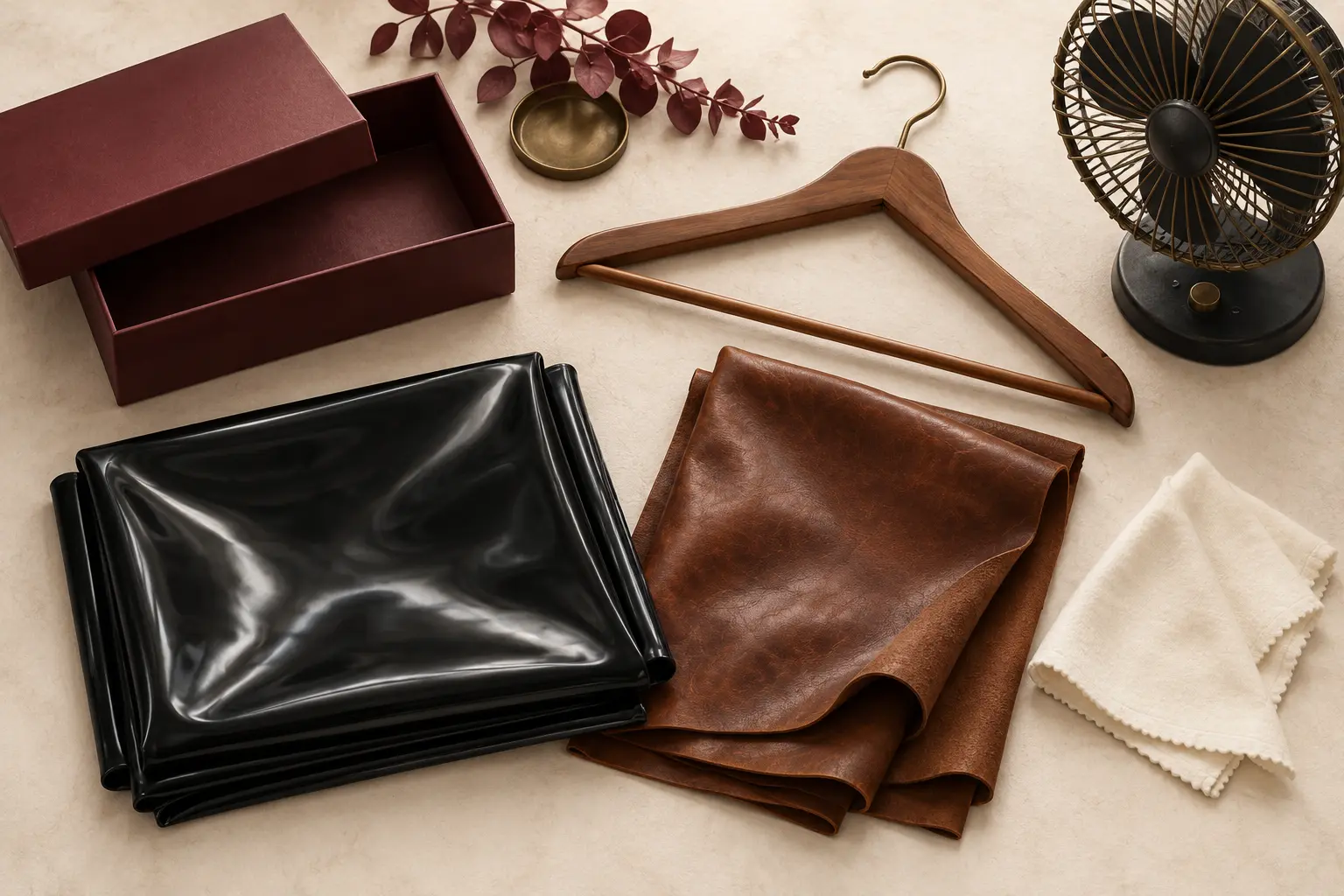
Latex and rubber and leather interests may involve contrast, shine, texture, scent, sound, fit, craft, ritual, clothing or community history. Adults’ interests can be aesthetic, private, social or sexual. Enjoyment implies no willingness to wear, touch, discuss at work or receive public comments. Clothing never establishes consent, role, availability or photography permission. Compare body-harness measurements, materials and care for outfits.
The word latex can refer to natural rubber latex, synthetic materials, coatings or a finished garment with other components. Leather can vary by tanning, dye, lining, finish, hardware and care needs. Surface appearance is not a reliable material specification. If you are considering an item, look for the actual composition and maker instructions rather than relying on terms such as 'rubber', 'vegan leather', 'hypoallergenic' or 'body safe'. The materials guide explains why a product claim cannot answer every skin or compatibility question.
Keep consent separate from clothes and community style
A garment, glove, boot or accessory can be meaningful to its wearer, but it does not grant permission to touch, stare, comment, photograph or guess a relationship role. Ask before discussing a material preference, especially at a club or event where someone may be dressed for their own reasons. A leather or latex look does not make someone a public educator or representative of a community. If you attend an event, follow the organiser's current rules on dress, changing areas, photography, accessibility and public behaviour.
Partners can discuss boundaries around shopping, storage, spending, wearing an item in shared space, cleaning, travel and disclosure. A gift is still the recipient's item; it should not create a debt or expectation to model, wear or use it. Some people prefer a material interest to stay in fantasy or in a wardrobe without any intimate activity. That is a complete choice. Fetish is a broad term and does not give anyone a claim over another adult's clothing or body.
Latex allergy and irritation need practical caution
Natural rubber latex can cause allergic reactions in some people. NHS inform identifies natural rubber latex as a possible trigger for anaphylaxis, while the Health and Safety Executive says that natural-rubber latex proteins can cause dermatitis and asthma, with more serious allergic reactions also possible. A person with a known latex allergy should avoid natural rubber latex and seek healthcare advice about their individual circumstances. Do not assume that a dark, shiny or synthetic-looking surface is latex-free, and do not test an uncertain product on someone in the hope that a reaction will be mild. Check the maker's material information and ask a pharmacist or clinician for advice where allergy is a concern.
Not every skin problem is a latex allergy. Friction, heat, sweat, dyes, adhesives, cleaning products, fragrances, metals or a tight fit can also irritate skin. Remove an item if it causes burning, rash, swelling, pain or other symptoms, and get medical advice for a worrying or persistent reaction. Call 999 for severe breathing difficulty, swelling of the mouth or throat, collapse or other signs of a severe reaction. Latex allergy has more terminology, but a glossary entry cannot assess an individual reaction.
Manage heat, movement and time
Latex, coated fabrics, leather and layered clothing can retain heat and sweat. The NHS lists tiredness, dizziness, headache, nausea, heavy sweating and fast breathing or heartbeat as possible signs of heat exhaustion. Plan a cool space, drinking water, a way to remove layers promptly and permission to stop without embarrassment. Do not use an event, a photograph, a role or an expensive purchase as a reason to ignore overheating. A garment that is comfortable for a short fitting can feel very different during a long journey, crowded venue or active evening.
Movement matters too. A stiff garment, boots, restrictive fastening, gloves or mask can affect balance, vision, dexterity, hearing or the ability to use a phone and leave. Check stairs, toilets, seating, travel, temperature and any access needs before deciding what to wear. Stop for pain, numbness, weakness, dizziness, breathing change or panic. The access guide offers a broader way to plan for fatigue, sensory load and mobility without making assumptions about a diagnosis.
Care and storage preserve information as well as materials
Follow the specific maker instructions for cleaning, drying, polishing, hanging, folding and storage. Materials that look similar can react differently to heat, light, oils, solvents, friction, metal hardware or other finishes. Do not invent a care routine from social posts, and do not assume that a product intended for one material is suitable for another. If a garment is damaged, sticky, cracked, has sharp hardware, leaves residue or has an unknown history, pause and seek reliable product information before wearing it again.
Store items in a way that protects privacy as well as the material. A shared wardrobe, laundry basket, car or digital order history may expose information someone did not agree to disclose. Discuss who can access storage, whether items need to be locked away, and what happens after a relationship ends. Cleaning personal items is not an invitation for a partner to inspect or discuss them. The independent latex, leather and fetish clothing guide covers consumer questions without directing readers to retailers.
Community and event etiquette
Leather and latex communities include people with different histories, identities, budgets, bodies, disabilities and levels of interest. Avoid treating clothing knowledge as a test of authenticity or assuming that someone wants a particular role because of what they wear. A simple, respectful question is usually better than a claim that you recognise the meaning of an item. If an organiser offers a dress code, read the current wording, ask about access or religious dress exceptions where needed, and do not pressure someone to buy a costly item to attend.
A munch is often a clothed social meeting and may have different expectations from a club. Use the munch guide and the organiser's own current information. Do not photograph people, post venue locations, tag attendees or share someone else's wardrobe details without clear permission. Privacy gives adults space to explore a material interest without making it a public identity. Community interest should expand a person's choices, never become a reason to shame someone for their budget, body or comfort needs.
Make room for changing preferences
An interest in a material can change with experience, body changes, allergies, climate, finances, relationship context or simply taste. There is no need to keep wearing something because it was a gift, cost money or once felt important. A partner can express disappointment without making the other person responsible for it. If a material has become associated with distress, pain or pressure, pause the subject and focus on what would restore choice and comfort. A different texture, a non-worn object, a photograph-free conversation or no exploration may be the better answer.
Do not use this page as a buying checklist or a claim that any material is safe for every body. Material suitability depends on the item, its use, the person and the situation. A product review, community recommendation or seller reassurance cannot diagnose an allergy, guarantee temperature comfort or replace an emergency plan. The safest decision may be to keep the interest in imagination, choose a different expression or ask for professional advice about a symptom.
A good boundary can be simple: no borrowed clothing, no unknown material, no prolonged wear, no public comment, or no purchase at all. These choices do not need a debate or a medical explanation. If a partner's interest is different from yours, begin with mutual respect rather than trying to convert them. Material interests are optional parts of adult expression, not a measure of commitment, confidence or community belonging.
Common questions
Are latex and rubber always the same thing? No. Check the actual composition; appearances and labels can mislead. Does leather clothing signal consent? No. Clothing never gives permission for touch or attention. Can I test a possible latex allergy by trying an item? Do not rely on self-testing; ask a clinician or pharmacist if you have a concern. What if I feel hot or dizzy? Stop, get cool and seek advice according to the symptoms. Can I use any cleaner on latex or leather? No. Follow the maker's material-specific instructions. Do I have to buy specialist clothes for an event? No; check the organiser's current rules and ask about acceptable, comfortable options.
When to get help in the UK
Call 999 for serious breathing difficulty, swelling of the mouth or throat, collapse, severe overheating or immediate danger. NHS 111 can advise on urgent symptoms that are not life-threatening; a GP, pharmacist or sexual-health clinician can discuss a rash, allergy concern or persistent irritation. The HSE latex-allergy guidance and NHS heat-exhaustion guidance are useful starting points, not individual diagnoses.
For pressure from a partner, unsafe conditions at home or a fear of disclosure, use the National Domestic Abuse Helpline, Men's Advice Line or Galop. For a consumer safety issue, report a product concern through the relevant trader or local authority route and preserve the information you need; do not continue using a damaged item while you decide. This guide is education only and contains no retailer links, product ranking or personal medical advice.