
Start with the Yes, No, Maybe list
Use the Yes, No, Maybe list before choosing anything to try. For adults aged 18 and over, a useful first step can be naming a preference, discussing a fabric or agreeing a playful role; it does not have to involve equipment or an elaborate scene. Pick only something everyone actually wants, with a clear way to stop.
The 18 ideas below are optional editorial suggestions, not a progression or a test of experience. Low-risk does not mean risk-free, and an ordinary activity can still be unwelcome. A reader can choose conversation only, try an idea alone where appropriate, or decide nothing on the list appeals. A partner’s interest does not create a duty to match it, and saying maybe is not permission to begin.
Agree the small details first
Talk about the particular activity in plain language rather than relying on a kink label. The glossary explains consent negotiation as a discussion of interests and limits. Agree what the idea includes, what it leaves out, how long you want to spend together and what would make you pause. Avoid making a surprise purchase or presenting a costume as something a partner is expected to wear.
Choose a setting where ordinary conversation and leaving remain possible. Ask about access needs without requesting a medical history: someone may prefer seated options, clearer lighting, less background sound or written choices. Each person should be able to decline an adaptation as well as the original idea. The partner conversation guide helps turn an interest into a discussion rather than a demand.
For these suggestions, keep stop language ordinary and easy to use. Do not interpret silence, stillness or uncertainty as agreement. NHS sexual-health consent guidance supports checking present willingness and stopping when there is doubt. Agree how to respond kindly to a changed answer: put the item aside, return to ordinary conversation and let the person decide whether they want company or space. No explanation or replacement activity is owed.
Communication: four ideas
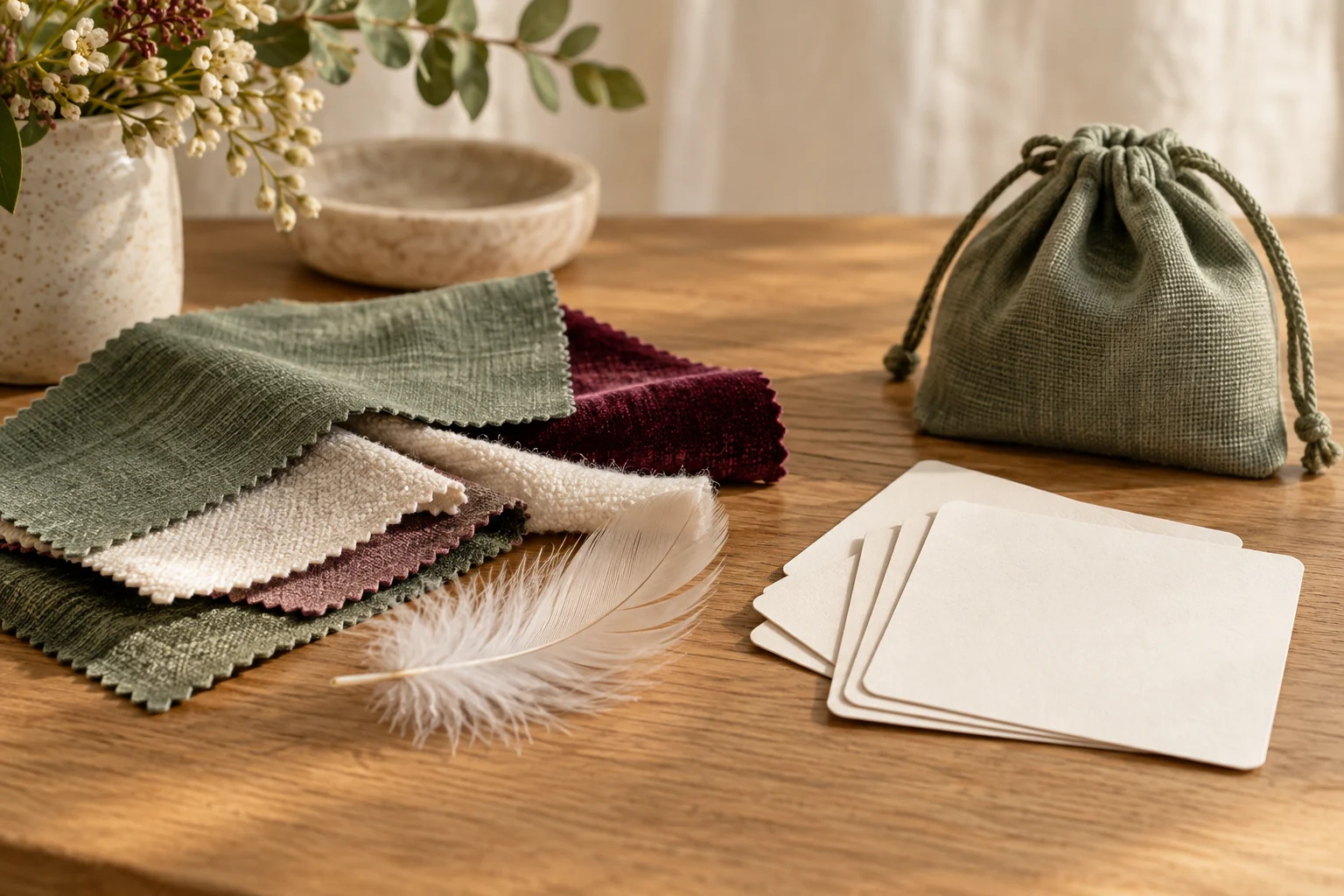
Idea 1: Preference cards. Each adult can mark a few words yes, no, maybe or curious, then compare only the answers they want to share; the printable checklist provides a starting point without requiring anyone to complete every item.
Idea 2: Talk about a fantasy. Describe an interest at the level of detail that feels comfortable, making clear that talking is the whole activity for now; the conversation guide explains how to leave imagined interests separate from plans.
Idea 3: Choose praise or pet names. Discuss which ordinary compliments or names feel welcome and which do not, then keep to the agreed words; the praise guide explores why the same expression can feel different to different adults.
Idea 4: Arrange a debrief. Set aside a quiet conversation afterwards, with an option to write thoughts instead of speaking immediately; aftercare planning helps make feedback and different preferences part of the evening rather than an examination.
Sensation: four ideas
Idea 5: Compare soft fabrics. Explore the feel of familiar clean fabrics on your own hands, with no expectation of further contact; the sensation guide helps discuss preferences, sensitivities and what to leave out.
Idea 6: Look at feathers and textures. Discuss whether a soft feather or similar texture sounds appealing before anyone makes contact, and skip it if either person dislikes it; the sensation-tools buying guide distinguishes materials and cleaning questions without requiring a purchase.
Idea 7: Choose a relaxing atmosphere. Pick comfortable light, ordinary background music or quiet together while keeping communication easy; first-scene planning offers questions about the room and interruptions, without making the setting a promise of anything else.
Idea 8: Discuss an ordinary massage. If familiar gentle massage is welcome, agree the contact each adult wants and leave out sore or uncomfortable areas; the massage-products guide covers ingredient and care questions, while declining added products is always an option.
Adult roleplay: three ideas
Idea 9: Discuss fictional adult characters. Talk about a light-hearted character or story both adults enjoy, staying entirely with adult themes and conversation; the adult roleplay guide explains how imagined roles differ from real permission.
Idea 10: Try a costume choice. Choose an ordinary adult costume or accessory for yourself, with a comfortable change of clothes available and no requirement to perform a role; costume care and privacy covers fit and storage.
Idea 11: Practise leaving a role. Agree an ordinary pause word and rehearse returning to your usual names and conversation before any roleplay begins; staying safe in character explains why a role must never make genuine stopping ambiguous.
Power and roles: three ideas
Idea 12: Offer a small choice. If both adults want, let one choose the background music from a shortlist the other already likes, with either free to change it; the roles guide separates temporary preferences from authority over someone’s life.
Idea 13: Offer a voluntary favour. Bringing a cup of water or helping arrange a comfortable seat can be a mutually welcome expression of care, with no obligation to continue; service and its limits explains the difference between a chosen favour and an imposed duty.
Idea 14: Compare role preferences. Discuss whether choosing, receiving a suggestion or taking turns appeals, without attaching a permanent identity to the answer; dominant, submissive and switch roles gives plain definitions for adults exploring the vocabulary.
Dress: four ideas
Idea 15: Choose a favourite fabric. Notice whether a familiar material feels comfortable, then talk about its appearance separately from whether you want to wear it; the clothing and fit guide keeps comfort and personal meaning in view.
Idea 16: Dress up privately. Wear an existing garment you enjoy, with no expectation of photographs, public display or someone else’s approval; the inclusive fit guide provides questions about measurement, movement and comfort rather than a preferred body shape.
Idea 17: Discuss a fashion harness. Look at whether the appearance appeals before considering fit or cost, treating it as clothing rather than restraint; the fashion harness guide explains measuring and materials without suggesting suspension or restraint use.
Idea 18: Pick an adult accessory. A scarf or ordinary adult costume accessory can change an outfit without changing anyone’s boundaries, and should be easy to remove; costumes and storage helps discuss care, comfort and privacy.
Keep comfort and privacy part of the choice
A boundary can be as specific as not wanting a particular name, fabric or photograph. Do not make a person justify it by disclosing trauma or health information. The glossary definition of sensation play covers personal sensory preferences; it does not say that every material or sensation suits every body. Pick alternatives for their comfort, not because someone needs to overcome a reluctance.
For skin concerns, the NHS explains that contact dermatitis can follow irritants or allergens, including substances in cosmetics and some metals. Avoid known triggers, and do not use novelty products on irritated skin simply because they are marketed for adults. See a GP for persistent, recurring or severe symptoms. This page gives no treatment recommendation and does not diagnose a reaction.
Keep private conversations private by agreement. You can use the checklist on screen or print it without sending answers anywhere; if you create your own notes, decide together who keeps them and whether they are needed afterwards. Consider shared devices and account access. NCSC guidance on strong passwords and two-step verification can help protect online accounts, but account security cannot decide whether a partner should be told a private story.
Afterwards, ask what each adult liked, what was neutral and what they would prefer to leave out. A good outcome may simply be discovering a difference and handling it kindly. The next conversation need not introduce a harder activity. If money becomes a pressure, return to discussion or existing clothing: the budgeting guide treats spending as a choice, not evidence of commitment.
Common questions
What is the easiest thing to try first? A conversation or preference card can be enough. Choose something mutually wanted rather than assuming beginners must start with equipment.
Does curious mean yes? No. It means there is something to discuss, and the answer may stay uncertain or become no. Agreement is needed before an activity begins.
Do we need to buy anything? No. Many ideas here use conversation, ordinary clothing or a comfortable room. A product guide helps evaluate an optional purchase; it does not make one necessary.
Can one person try an idea without a partner? Reading, reflecting on language or choosing clothing can be individual activities. Anything involving another person still needs their agreement.
What if we laugh or change our minds? You can return to ordinary conversation and stop. There is no requirement to stay in character, finish the list or make an evening successful in a particular way.
UK help
For ongoing anxiety, discomfort or relationship pressure, a GP can help assess health concerns. COSRT’s member search lists registered relationship and psychosexual therapists; ask about relevant experience, accessibility, confidentiality and fees before booking. Registration does not mean every therapist specialises in kink. You can discuss a concern in plain terms without adopting a community identity.
Samaritans offers emotional support on 116 123, free day or night. If someone is in immediate danger, call 999. For assault, coercion or unwanted contact, the UK help directory lists support routes; seeking support is not a failure to negotiate. An adult who does not want to explore further is entitled to that decision without counselling being used to change their no.